
Ekniti eyes TFF revival to power clean energy and rebuild fiscal strength
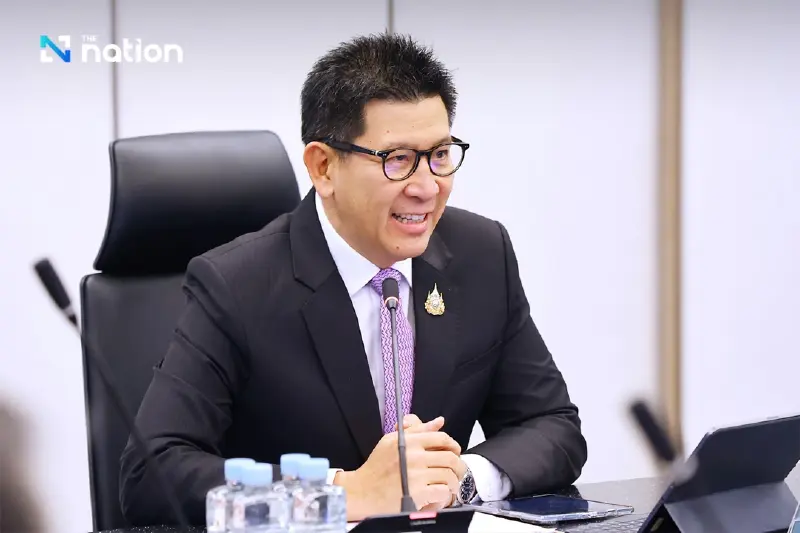


Deputy PM Ekniti rolls out Thailand Future Fund revival, converting solar income into capital for clean-energy growth without adding public debt
Deputy Prime Minister and Finance Minister Ekniti Nitithanprapas has compared Thailand’s current economic situation to “a car speeding downhill into a ravine,” warning that unless action is taken immediately, the economy will face a difficult recovery. He said the problem lies not only in the pace of short-term stimulus but also in the lack of investment in new infrastructure to support the “New Economy.”
Ekniti noted that Thailand’s past growth stemmed from “old blessings,” such as major infrastructure projects in the 1970s and 1980s, including the Eastern Seaboard. However, the country’s investment-to-GDP ratio has since plummeted from around 40 % to just over 20 %.
Short-term prospects are also gloomy, with the National Economic and Social Development Council (NESDC) projecting only 0.3 % GDP growth in the fourth quarter of this year.
Ekniti admitted that fiscal constraints are now severe, saying “there is no budget left for investment.” Of every 100 baht, he explained, 70 baht goes to fixed expenditures and 10–20 baht to debt servicing, leaving almost nothing for new infrastructure.
He emphasised that the economic team’s challenge is to “stop the free fall” and create “The Next New Economy” without destabilising the fiscal base.
To tackle both short- and long-term crises, the government has outlined its key framework under the policy “Short-term stimulus, long-term impact, broad distribution” — aiming to revive growth quickly while ensuring long-term returns and reducing inequality.
Five pillars and one foundation for Thailand’s new house
- Immediate recovery to halt the downturn.
- Household debt restructuring, including managing bad debts to reduce principal and interest burdens.
- SME liquidity support and transformation into modern businesses.
- Strengthening the savings system to cope with the aging society.
- Investing in the future — clean energy and workforce reskilling/upskilling.
All of this, he stressed, must proceed alongside “fiscal discipline and transparency.” Every policy must identify its funding source and ensure cost efficiency.
With limited fiscal space and the government’s pledge not to increase public debt, the Finance Ministry is reviving the Thailand Future Fund (TFF) as a proactive instrument.
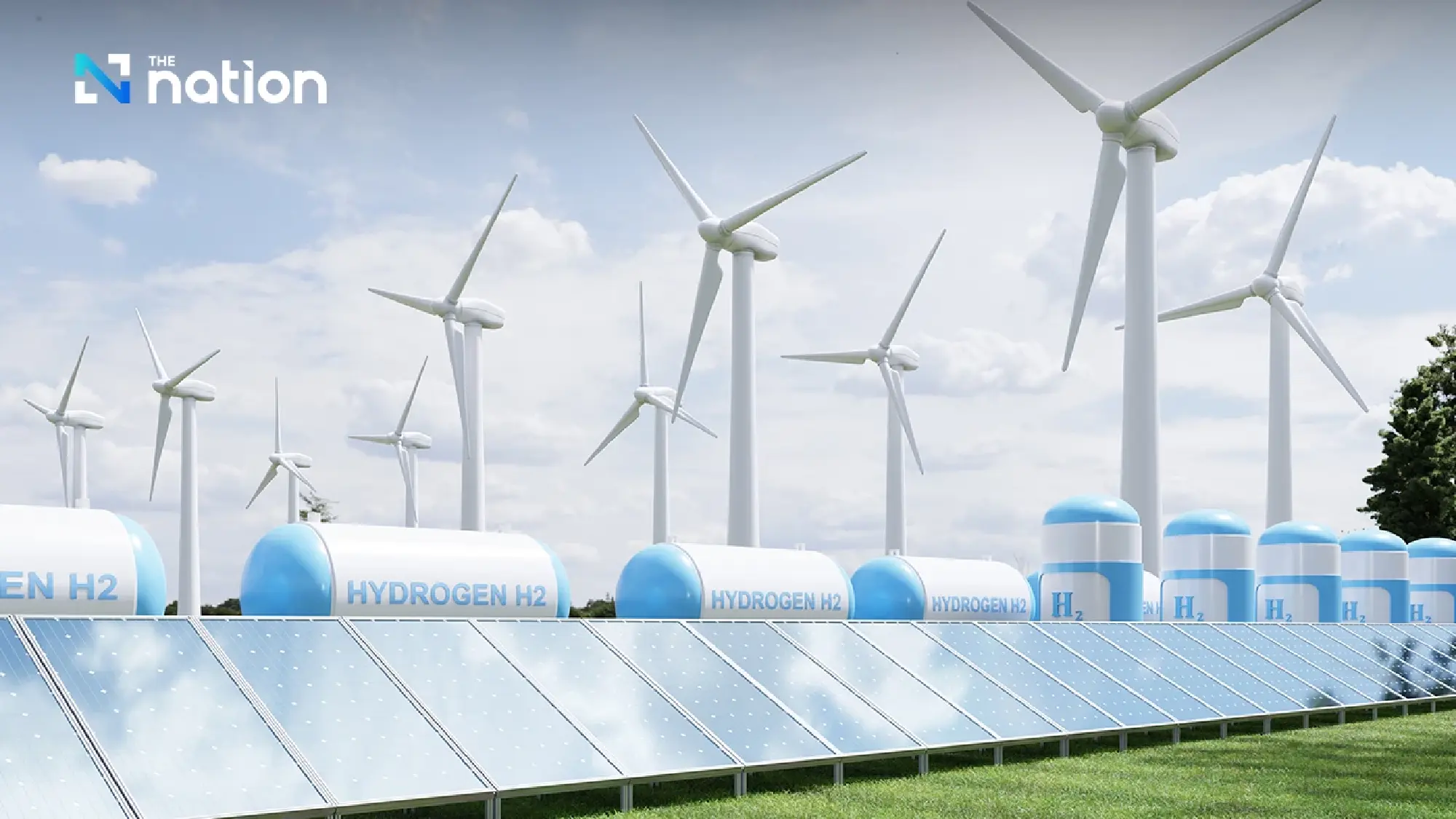

‘TFF’ and the future of clean energy
Ekniti linked the TFF to the Electricity Generating Authority of Thailand’s (EGAT) floating solar projects, which have drawn significant foreign investor interest.
- Selling future income: The government will monetise part of EGAT’s future revenue streams from three contracted floating solar dams.
- Immediate liquidity: These stable future earnings will be converted into present-day capital.
- Reinvestment: The funds will expand further floating solar projects across more dams.
This double-benefit approach allows clean-energy investment without increasing public debt or straining the budget — aligning with fiscal discipline while advancing Thailand’s New Economy.
Additional strategies for ‘The Next New Economy’
Beyond TFF, the Finance Ministry is pushing several key strategies:
- Reskill/Upskill workforce: To address labour shortages in future industries, the government will use 10 billion baht from the BOI fund to develop short-term training programmes with the private sector and universities, targeting 100,000 workers in AI, digital technology and EV sectors.
- Fast Pass investment scheme: To unlock more than 470 billion baht in BOI-approved but pending investments, the government will create a “Fast Pass” for large projects (over 1 billion baht) to swiftly resolve water, power and licensing bottlenecks under the Facilitation Act.
- Financial reform for the grassroots: The government plans to use 20 billion baht from the rehabilitation fund to buy personal loans from financial institutions, restructure household debt and give borrowers “room to breathe.”
It will also promote savings by allowing citizens to purchase government bonds monthly and introduce a lottery-linked savings mechanism, where a portion of lottery management fees will accumulate into an account usable as loan collateral after age 55.
Ekniti concluded that these measures lay a new foundation — balancing short-term recovery with long-term investment in modern infrastructure, avoiding new debt burdens while steering Thailand out of its fiscal crisis towards a sustainable future economy.
