
2026 Trends: Gen X continues to face stress, while Gen Y enters full adulthood
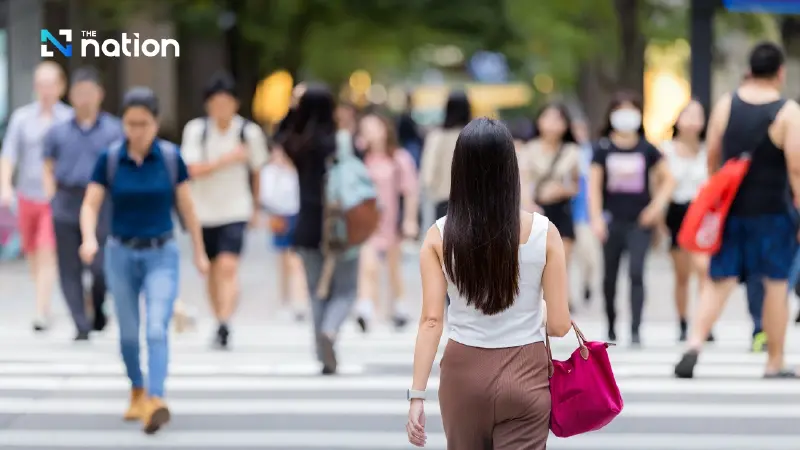


Gen X to stay stressed, Gen Y steps into middle age in 2026. Global trend report highlights societal changes, AI's role, and the aging population’s impact.

The report “TREND 2026: Maze of Echoes,” released by the Creative Economy Agency (CEA) and TCDC, predicts that the year 2026 will lead to a world full of complexity and chaos, where people will seek more connections and prioritize their private lives in unexpected ways. Amid global political conflicts, environmental problems, and wars, young people still believe that artificial intelligence (AI) could provide new ways of thinking to solve these challenges.
Baby Boomers (1946–1964): Young at heart, but aging in body
By 2026, Baby Boomers will be aged between 62–80 years old. This generation is expected to number around 61 million people worldwide. They will be categorized as “Young Old,” representing those who are starting to experience old age but still maintain an active and youthful mindset. They focus heavily on health, maintaining their financial stability, and have strong purchasing power. Baby Boomers are particularly interested in sustainability and environmental issues, despite their age.
Economically, people over 65 years old are growing in number faster than younger populations. In 2025, individuals aged 50 and above will drive global spending, with 60% of this spending coming from China and the U.S., and 79% from the EU.
Baby Boomers in China are especially dedicated to staying fit, with two-thirds of them investing in fitness programs. A new trend to watch for in the coming years is Blue Zones, regions focused on improving the quality of life for older adults through activities like exercise, nutritious eating, and nature-focused activities. Blue Zones initiatives, such as Bluceira in Portugal, aim to enhance the quality of life for those 60+.
In the travel and leisure sector, Baby Boomers are seeking travel experiences focused on health and well-being. Companies like Saga offer tours specifically designed for people over 50.
For brands, an interesting strategy is multi-generational marketing, such as fashion collections that show people of different ages wearing the same clothing, creating a timeless design feel. However, 88% of individuals aged 55 and above in the UK are dissatisfied with how they are portrayed in advertisements.
Gen X (1965–1980): Still stressed, but coping better
Research from LinkedIn in 2019 revealed that Gen X faces the highest levels of stress compared to other generations, especially concerning work-life balance, career stability, and retirement plans. In 2021, 22% of Gen X admitted to struggling with stress every day.
Despite high levels of stress, Gen X has the best coping mechanisms. Having grown up during a time when self-reliance was key, they are known for their resilience and adaptability. The American Psychological Association highlighted that while stress affects all age groups, Gen X is particularly skilled at managing stress despite feeling more pressure than others.
Although often referred to as the "forgotten generation" and one of the smaller cohorts, Gen X has had a significant influence on the world. Currently, more than half of the CEOs of Fortune 500 companies, according to Fast Company, are from Gen X, including influential figures like Jeff Bezos, Elon Musk, Satya Nadella, Larry Page, and Sergey Brin. These leaders are products of the personal computer revolution that took place from the late 1970s to the early 1990s.
Gen X accounts for 31% of the global population and 27% of global spending. By 2026, this generation is poised to become the world’s largest wealth center, as more individuals from this cohort become High-Net-Worth Individuals (HNWIs).
Interestingly, TikTok, often seen as a platform for younger generations, is also gaining traction among Gen X creators, highlighting their growing presence in digital spaces.
Millennials (1981–1995): Fully entering middle age
In 2026, the youngest members of Generation Y (Millennials) will be entering their 30s, officially transitioning into middle age. Known for driving social media trends, Millennials are highly influential, just like Gen Z.
Amid the current economic downturn, 47% of Millennials are reflecting on the simpler life of the 1990s and early 2000s, embracing the nostalgia trend by reviving Y2K fashion, which has spread to Gen Z. By 2026, the entertainment industry that brings back experiences from the past (such as 1970s, 80s, and 90s music on TikTok) is expected to see a 46% positive reception, using nostalgia as a soothing escape from the stress of modern life.
In terms of lifestyle, 88% of Millennials still gravitate toward minimalist designs, particularly in earth tones and retro-inspired colors that reflect luxury and wellness. Health-consciousness is increasingly popular among Millennials, with the "Sober Is The New Cool" trend gaining momentum, driven by their focus on self-care and well-being.
Millennials are also embracing chrononutrition, a dietary style that focuses on eating in alignment with the body's natural rhythms, such as practicing Intermittent Fasting (IF).
As parents, 89% of Millennials enjoy planning family vacations, with 44% using AI to plan activities, budget, and recommend personalized travel destinations that cater to all ages. This demonstrates their reliance on technology to enhance their life experiences.
Gen Z (1996–2011): Defining a new cultural code
Gen Z, often referred to as "digital natives", will continue to shape the world in 2026. Their identity will be defined by a "New Culture Code", with two distinct modes of living:
- Dark Mode (Offline Mode): Spending time in private spaces (Private Space) where they can unwind and relax, hiding unique preferences, enjoying luxury in private, and revealing these tastes only to close friends (OIYK – Only If You Know).
- Chronically Online: Recognizing the need for social media as a tool for creativity and expression.
In terms of spending, Gen Z is more focused on budgeting and "Loud Budgeting" on platforms like TikTok, where millions of viewers tune in to watch and discuss money-saving tips. Notably, 93% of Gen Z in America and Europe are mindful of their spending when dining out, and 70% use TikTok to discover new restaurants.
The "Dupe Culture", or seeking cheaper alternatives to branded products, will remain strong, with 61% of Gen Z seeking out knockoff or affordable versions of their favorite items. In China, Gen Z is shifting away from high-pressure social trends, focusing more on practicality and cost-effectiveness.
In the workplace and leisure activities, 93% of Gen Z in Asia-Pacific plan their finances and time off to engage in activities and hobbies they enjoy, such as attending fan events or participating in e-sports, providing them with a "temporary escape" from social and economic pressures.
As part of their family roles, many Gen Z members in Asia-Pacific (87%) continue to live with their families and take on the role of family travel planner, preferring local experiences where they can immerse themselves in the culture.
Socially and health-wise, 79% of Gen Z in the U.S. have become disillusioned with dating apps and increasingly crave meaningful interactions and spaces for social connection. They are also emerging as the fifth wave of feminism, challenging traditional gender roles.
Gen Alpha (2012–2024): iPad generation wanting real-life experiences
Gen Alpha, born between 2012–2024, is nicknamed the "iPad Generation," having grown up amid the pandemic and extensive use of digital technology. Despite their tech-heavy environment, Gen Alpha craves real-world interactions over digital ones. 67% of children aged 9-13 in the U.S. prefer dining with family and friends over watching TV or scrolling social media.
Education: They will turn to various brands for learning topics that have been removed from government curricula (e.g., anti-racism, LGBTQ+ rights). Their preferred learning media are how-to videos and DIY content, and the best learning methods are through games and interactive experiences.
Mental health is a priority for Millennial parents, with 6 out of 10 U.S. parents teaching their children how to care for their mental well-being. Gen Alpha is expected to grow up with a deep understanding of emotional health.
Gen Beta (2025 onward): Friends with AI
The youngest generation, Gen Beta, will grow up in an era dominated by AI. From a very young age, AI will be their first “friend” as their parents start feeding their personal data into AI systems, making AI a trusted companion. This will lead to an increase in sales of AI-assisted devices like Alexa and baby-monitoring cameras.
Toy trends will also evolve to promote adult-child interaction, with products designed to bridge generational gaps. "Kidult" toys, which connect different age groups, will become popular.
Source: TCDC
