
New alcohol law sparks backlash over midnight drinking fines
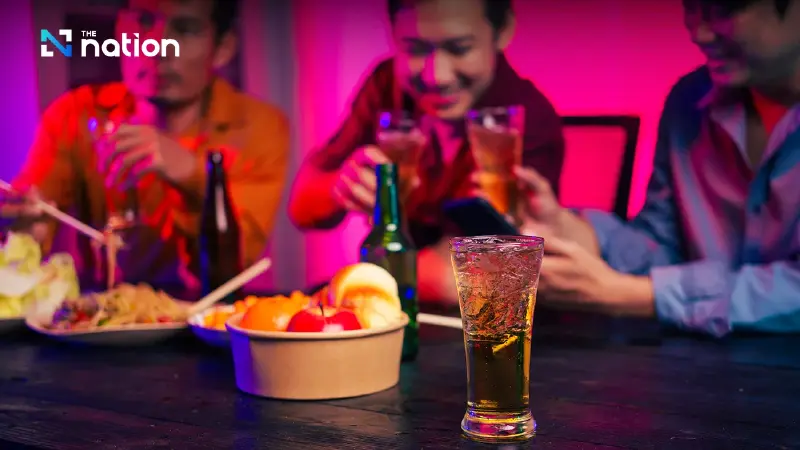


Thailand’s new alcohol control law imposes a 10,000-baht fine for drinking after midnight, drawing criticism for hurting tourism and nightlife businesses
A major shift has taken place in Thailand’s food and beverage industry after the Alcohol Control Act (No. 2) B.E. 2568 (2025) came into effect on November 8 2025. The law aims to modernise the original 2008 Act to reflect digital-era sales practices and balance social control with economic growth.
However, the law has triggered strong public backlash, as it now directly penalises consumers who drink during restricted hours — a legal turning point that has caused confusion and anger across the hospitality industry.
Section 32: The new “midnight drinking” fine
The controversy centres on Section 32, which prohibits anyone from consuming alcohol in licensed premises or commercial venues during legally restricted hours. Those who continue drinking during such hours face a fine of up to 10,000 baht under Section 37/1.
Previously, the law mainly targeted vendors, prohibiting them from selling to minors or intoxicated persons. The new penalties shift responsibility to customers — a first for Thailand — creating a stricter enforcement standard that directly regulates drinking behaviour.
Under current regulations, alcohol consumption is prohibited during:
Midnight (00.00)–11.00am, and 2.00–5.00pm
This means that even if a customer buys drinks before midnight but continues drinking past 00.00, they are considered in violation and can be fined.
Certain venues remain exempt — such as licensed entertainment establishments (pubs, bars), hotels, and international airport departure lounges. But smaller restaurants and cafés without an entertainment licence must stop all alcohol consumption at midnight, causing a sharp revenue loss from late-night diners and drinkers.
Health vs economy: policy contradiction
The new law comes just as the government is pushing policies to revive tourism and extend closing hours in zoning areas. Industry representatives argue that Section 32 directly contradicts these goals.
Sorathep Rojpotjanaruch, chairman of the Thai Restaurant Business Association, criticised the move:
“It’s unclear what purpose this law serves. Those who signed it may not realise how much damage it will cause to the tourism and service economy.”
Uneven impact and business frustration
Smaller F&B operators say the law creates legal inequality, giving large entertainment venues an advantage. The midday ban (2–5pm) also adds operational complexity, forcing restaurants to introduce “last order” policies and clear tables before midnight.
Nipon, M.D., from the Ministry of Public Health, clarified that the ban is not new but merely codifies existing restrictions from the Revolutionary Council Order No. 253. However, critics note that the 10,000-baht consumer fine represents a new level of enforcement, as authorities previously targeted sellers rather than drinkers.
Private sector concerns amid tourism peak
The law’s enforcement has hit businesses hard during Thailand’s high tourism season. The private sector warns that the rule could undermine tourism competitiveness, particularly in nightlife areas and among European visitors who drink from afternoon into late night.
Prapawee Hemathas, secretary-general of the Craft Beer Trade Association, said operators are “in limbo” — wanting to comply but lacking clear guidelines while waiting for secondary legislation.
Australia has reportedly issued a travel advisory warning its citizens about Thailand’s 10,000-baht fine for post-midnight drinking. Sanga Ruangwattanakul, president of the Khaosan Business Association, added that the unclear rules threaten to discourage visitors during the tourism high season.
Calls for government review
Nightlife and restaurant groups are preparing to petition the prime minister for clarification and revision of the law. Key demands include lifting the 2.00–5.00pm sales ban, which Chanin Rungtanakiat, deputy secretary-general of the Pheu Thai Party, described as “unnecessary and outdated.”
While the amended Act allows provincial alcohol control committees to issue area-specific regulations, businesses say this mechanism is useless until secondary laws are finalised.
A clash of policy priorities
The Alcohol Control Act (No. 2) 2025 marks the first time drinkers themselves face penalties, sparking tension between public health control and economic recovery. Without prompt clarification through secondary laws — particularly on advertising, zoning, and modernised sale hours — Thailand’s tourism recovery may stumble under outdated rules.
Experts suggest the government should accelerate the issuance of secondary legislation and delegate authority to provincial committees to relax enforcement in key tourism areas. This, they argue, would ensure fair regulation without stifling Thailand’s nightlife economy.
