
Border SEZs draw just 55bn baht in 10 years: NESDC
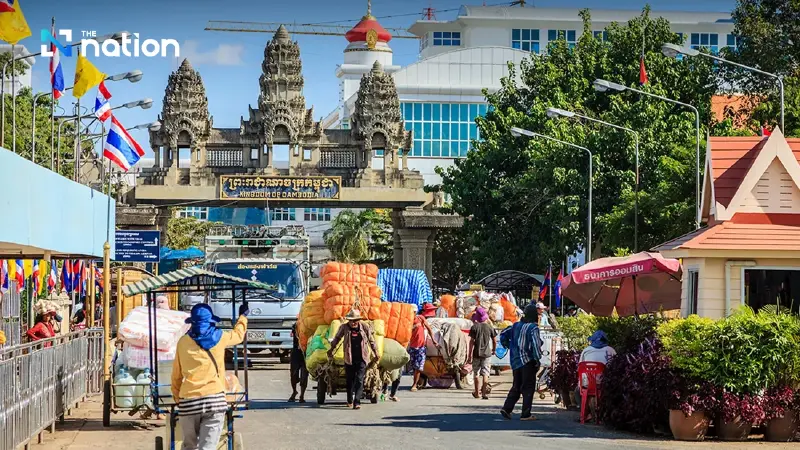


NESDC reports Thailand’s 10 border SEZs drew 55.2bn baht in investment over 2015–2025 despite 90% infrastructure progress, with private investment lagging
Thailand’s border special economic development zones have attracted just 55.2 billion baht in combined investment over more than a decade, reflecting momentum that remains below potential even as infrastructure development is nearing completion, according to the National Economic and Social Development Council (NESDC).
The government began promoting border special economic development zones in 2015 as a mechanism to stimulate border economies and link trade and investment with neighbouring countries. However, recent figures indicate investment has not been as vibrant as expected.
NESDC reported that as of September 2025, the 10 border zones — Tak, Sa Kaeo, Mukdahan, Trat, Songkhla, Nong Khai, Nakhon Phanom, Kanchanaburi, Narathiwat and Chiang Rai — recorded total investment of 55,198 million baht from the private sector and industrial estate development over 2015–2025.
Looking specifically at projects promoted by the Board of Investment (BOI) that have been implemented, there were 92 projects with actual investment totalling 26,471.96 million baht. The five zones with the highest investment value were:
- Songkhla: 19 projects, 9,273.35 million baht
- Sa Kaeo: 11 projects, 8,403 million baht
- Tak: 34 projects, 3,430.56 million baht
- Mukdahan: 5 projects, 2,095.50 million baht
- Nong Khai: 5 projects, 2,001.46 million baht
Foreign investors applied for BOI promotion for 45 projects worth 5,775 million baht, with most coming from Japan, Thai–Japanese joint ventures, Malaysia, Taiwan, Australia, South Korea, India, China, Thai–Chinese joint ventures, the Netherlands, Singapore and Myanmar. Investment was concentrated in industries including ready-made garments, plastics, animal feed, automotive, machinery and parts, construction materials, hospitals and medical rubber gloves.
Private investment in Treasury Department land within the Trat, Kanchanaburi and Nakhon Phanom zones totalled 5,106.02 million baht, while investment in industrial estates in the Sa Kaeo and Songkhla zones totalled 5,731.21 million baht. There were also 13 projects using customs-related incentives worth 510 million baht.
On infrastructure, NESDC said there were 151 projects covering transport, border checkpoints, utilities and industrial estates, with average progress of around 90%. While many key projects in major provinces such as Songkhla, Trat, Sa Kaeo and Tak have been completed and gradually opened for use, the overall picture suggests private investment has not expanded at a pace matching the scale of public spending and time invested.
The 10-year investment total of about 55.2 billion baht has become a key question for Thailand’s border economic policy going forward: whether these zones can be upgraded from areas supporting primary production into value-added economic bases capable of attracting larger-scale investment, particularly as the figure remains small compared with overall national investment.
