
BTS denies Rabbit Card ‘ban’ claims, says KYC rules apply to all users
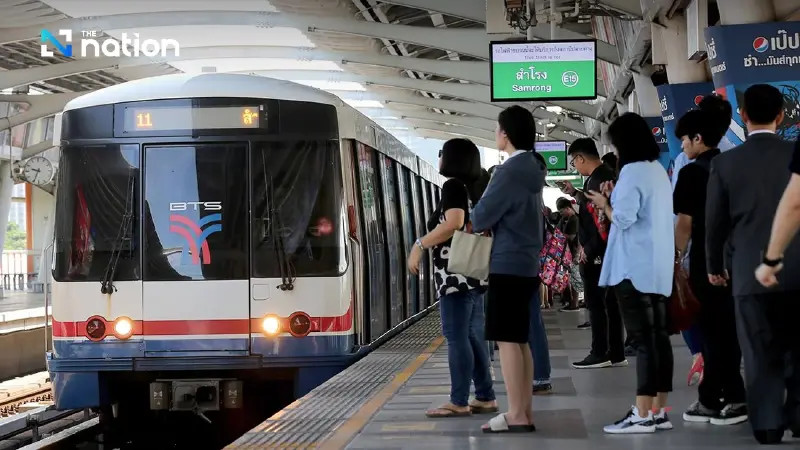


BTS says it does not discriminate over Rabbit Cards, after claims a ban targets southern politicians and high-risk nationals.
Bangkok Mass Transit System (BTS) on Saturday issued a clarification after online claims that Rabbit Cards were being barred from use by politicians from Thailand’s three southern border provinces (Pattani, Yala and Narathiwat) and by people from countries described as high-risk, including Myanmar, North Korea and Iran.
The statement followed questions and comments raised on social media by Kannavee Suebsang, leader of the Movement Party, regarding BTS services and the sale and use of BTS fare cards.
BTS said its core duty is to operate the Skytrain service and facilitate travel for all passengers equally and safely in line with international standards, adding that it has no policy of discriminating against any individual or group.

KYC requirements for Rabbit Card
BTS noted that the Rabbit Card falls under electronic money (e-money) services, which require compliance with relevant laws and regulatory rules, including Know Your Customer (KYC) identity verification requirements.
The company said Rabbit Card holders must verify and keep their KYC details up to date as part of identity verification procedures linked to measures under Thailand’s Anti-Money Laundering Act. This, it said, is intended to protect stored value in the card and ensure continued usability.
BTS added that both Thai and foreign passengers can update their KYC details at ticket offices at all BTS stations. However, some passengers who fall within risk-assessment criteria under the law may be required to complete additional identity verification at the Rabbit Service Centre at Phaya Thai station, in order to fully comply with legal procedures.
The company also advised passengers to update their KYC information while their cards still have remaining stored value, to avoid inconvenience and the risk of card suspension. For new customers, BTS said it must collect identity information from the outset in accordance with legal requirements, using the same verification channels.
BTS reiterated that these measures are legal compliance steps, not discriminatory practices, and thanked passengers for their cooperation to keep the system transparent, safe and fair.

Kannavee says he sought answers for three days
Kannavee said he had raised questions to BTS and the Rabbit Card service provider on January 1, 2026, asking whether the reported restrictions were true.
He called for an urgent public explanation after what he described as indications that service conditions had changed, with reasons appearing to be linked to nationality/country and even occupational status or political roles tied to specific provinces.
Kannavee said he had still not received a response after three days. He cited a complaint from a Myanmar national who uses the name Zaw Htun Lat, who claimed his Rabbit Card was “blocked/confiscated” after presenting his passport, with staff allegedly saying it was due to updated terms and conditions and that any remaining balance would be refunded later.
Kannavee said what concerned him was that the explanation or document he referred to appeared to link the change to nationalities described as “high-risk” and to politicians from the three southern border provinces—criteria he said could be seen as broad-brush and potentially discriminatory without a clear, necessary and proportionate basis.
“Although Thailand still lacks a comprehensive anti-discrimination law that clearly applies to the private sector in all cases, this incident once again shows why such a law is necessary. I pushed for one in the previous House of Representatives, to set minimum standards on equality, transparency and remedies for services that affect large numbers of people,” he said.

Kannavee said he was seeking clear answers from the service provider and regulators, including:
- Whether referencing “high-risk countries” or linking the issue to political roles in certain provinces amounts to overly broad criteria, and what evidence or risk-assessment framework was used.
- If the measure is truly about risk or security, why it results in blocking a payment channel—since passengers can still travel using single-journey tickets or day passes—what the purpose is, and which risks it actually reduces.
- Whether there is a full official announcement, when it took effect, who approved it, and whether there is an appeal or case-by-case review process.
- When and how affected users will receive refunds of remaining balances, and what accountability measures exist in the event of delayed refunds.
