
Thai FDA seeks to tighten controls on GLP-1 “slimming pens”, proposing special controlled-drug status
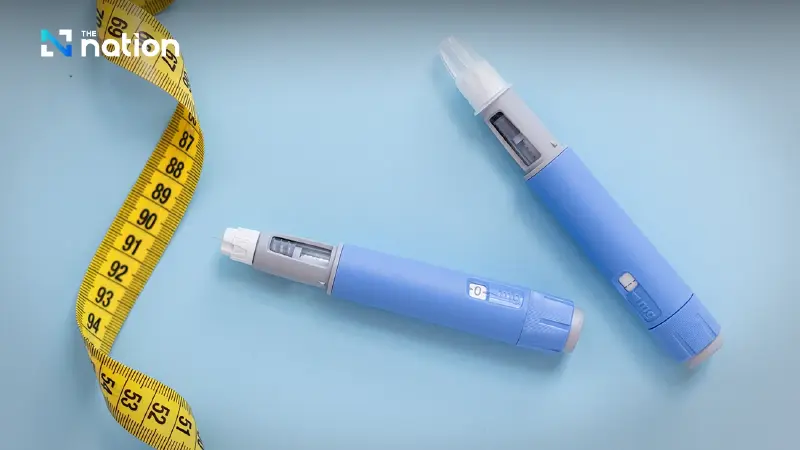


Thailand’s FDA is seeking to reclassify GLP-1 weight-loss injection pens as a special controlled drug, limiting sales to pharmacies with a doctor’s prescription amid misuse online.
Thailand’s Food and Drug Administration (FDA) is seeking to tighten oversight of GLP-1 injection “slimming pens”, warning that widespread use promoted on social media — including self-adjusted dosing — is leading to ongoing misuse.
Supatra Boonserm, secretary-general of the FDA, said GLP-1 receptor agonist (GLP-1 RA) medicines are approved in Thailand only for treating type 2 diabetes and for weight reduction in people with obesity — not for cosmetic weight loss among the general public.
She said GLP-1 RAs work by helping people feel full sooner and reducing appetite, which can lead to weight loss for a period. However, incorrect use or stopping the medication without supervision can cause rapid rebound weight gain, often described as a “yo-yo” effect, and may carry the risk of serious side effects, including low blood sugar, kidney failure, gallbladder inflammation, depression, or muscle wasting.
The risks are higher in people with underlying conditions such as kidney disease, liver disease, thyroid disease or other endocrine disorders, who require close medical assessment and supervision, she said.
The FDA has also found ongoing advertising and sales of GLP-1 medicines — particularly online — and has taken legal action against violators, but said misuse continues to be detected.
The agency is now proposing to the Ministry of Public Health that GLP-1 RAs be reclassified from a “dangerous drug” to a “special controlled drug”, which would restrict sales to licensed modern pharmacies only with a doctor’s prescription. Pharmacies would also be required to keep accounts and report sales so distribution can be tracked more effectively.
Supatra warned the public not to be persuaded by advertising claims that “inject and you’ll be slim”, saying there is no miracle drug that delivers safe and sustainable weight loss. Proper weight management, she said, should come through behaviour change — healthier eating, regular exercise, adequate rest and mental health care — which can also reduce the long-term risk of non-communicable diseases.
What “special controlled drug” status would mean
Supatra said the proposed status would come with tighter controls, including:
- Prescribing and dispensing: Special controlled drugs must be dispensed by a pharmacist only on a doctor’s prescription. They would not be available for over-the-counter purchase or self-buying from general outlets. Patients would have to present a prescription issued after a doctor has assessed that the medicine is necessary.
- Approved locations and personnel: Dispensing would be allowed only at licensed premises, such as pharmacies with an on-duty pharmacist, healthcare facilities, or other sites licensed under the Drug Act. Pharmacists would be required to be present when special controlled drugs are sold.
- Labelling and information: Packaging would be required to display the wording “special controlled drug” as stipulated by law, distinguishing it from dangerous drugs and general medicines.
- Storage and traceability: Products would have to be stored securely, and dispensing records kept for audit purposes — for example patient name, quantity and dispensing date — to reduce misuse risks.
