
Parks Dept tightens cave tourism screening over Nipah fears
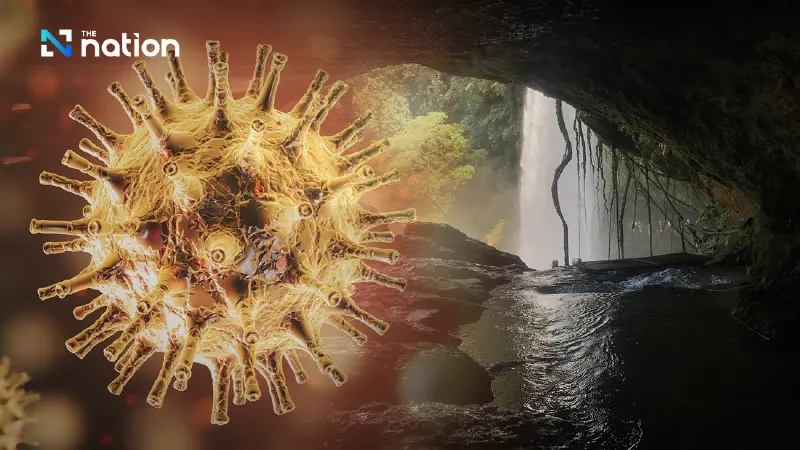


Thailand’s Parks Dept tightens screening for cave visits nationwide to curb Nipah risks, urging “don’t hunt, don’t forage, don’t eat” rules
The Department of National Parks, Wildlife and Plant Conservation has ordered tighter measures and stricter screening for cave tourism nationwide to curb the Nipah virus after serious outbreaks abroad, stressing that Thailand has not found any infected cases but must maintain the highest level of vigilance.
The department issued a statement elevating surveillance measures for the “Nipah virus” in cave areas and natural tourist attractions after outbreaks were reported overseas. It stressed that Thailand has not found any infected cases, but urged tourists to follow the strict rule: “don’t hunt, don’t forage, don’t eat.”
Latest Nipah situation in Thailand (January 2026)
According to reports of Nipah virus disease outbreaks in India, Malaysia and Bangladesh in early 2026, the disease is a dangerous zoonotic infection with a fatality rate as high as 70–100%.
The Department of National Parks, Wildlife and Plant Conservation, together with the Faculty of Medicine, Chulalongkorn University, and the Faculty of Forestry, Kasetsart University, clarified the facts as follows:
Thailand remains safe: At present, there have been no Nipah virus infections found in humans or pigs in Thailand.
Virus testing in bats: The virus has been found in Thai bats at around 10–16%, which is considered a normal level (lower than countries with outbreaks, where levels have been found as high as 40%).
Surveillance period: In Thailand, the virus is usually detected more often in bats during April to May.
Five measures to prevent Nipah virus for cave tourists
For safety under the One Health principle, the department asks visitors entering caves or areas with bats to follow these requirements:
1) Protective clothing (casual PPE)
- Wear a face mask (N95 recommended)
- Wear protective glasses and gloves
- Wear long-sleeved clothing, long trousers and closed-toe shoes to prevent contact with bat urine or droppings
2) Strict rule: “Don’t hunt, don’t forage, don’t eat”
- Do not catch or touch wildlife with bare hands
- Do not bring food or drinks into caves to consume under any circumstances
- Do not eat fruit with bite marks from wild animals
3) Cleanliness
If you come into contact with secretions or bat droppings, wash immediately with soap and water. If you have a wound, clean it promptly with disinfectant and consult a doctor.
4) Symptom monitoring
If you develop symptoms such as a high fever, severe headache, or respiratory problems within 4–14 days after visiting a cave area, see a doctor immediately and inform them of your travel history.
5) Stricter screening
National parks, wildlife sanctuaries and botanical gardens nationwide will increase strict screening of visitor clothing and provide close public information and guidance.
The department confirmed that nature tourism can continue as normal if visitors understand the risks and protect themselves properly. Following the above advice can reduce the risk of zoonotic transmission by almost 100%.
For more information, follow updates from the Department of National Parks, Wildlife and Plant Conservation or call the forest protection hotline 1362.
