
PM2.5 Levels Today in Bangkok: Air Quality Poor, Health Impacted
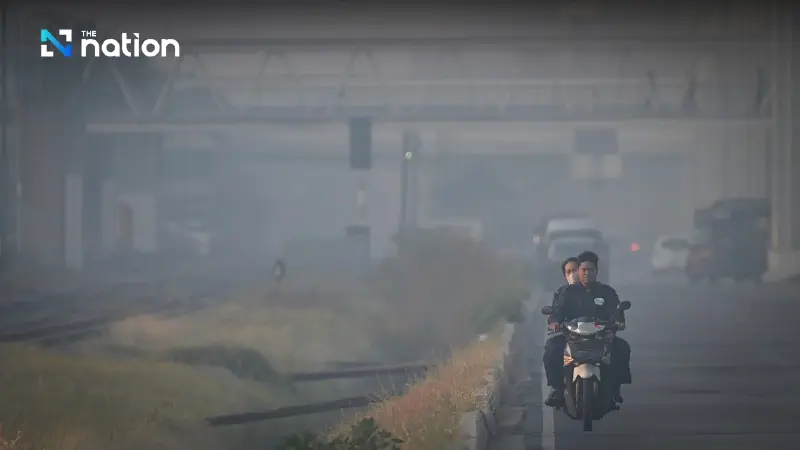


PM2.5 levels in Bangkok exceed the orange level, affecting health. Areas like Bang Rak, Prawet, and Taling Chan show the highest pollution. Follow safety tips.
The PM2.5 dust levels in Bangkok today are above the orange level, indicating that the air quality is unhealthy and impacts health. The worst affected areas are Bang Rak, Prawet, and Taling Chan, where people are having difficulty breathing.

Latest Air Quality Report (January 31, 2026):
The Air Quality Data Center of Bangkok reported that the PM2.5 levels in Bangkok exceeded 48.9 µg/m³, surpassing the standard limit of 37.5 µg/m³. Below are the top 12 areas with the highest PM2.5 levels in Bangkok:
- Bang Rak: 58.8 µg/m³
- Prawet: 58.5 µg/m³
- Taling Chan: 56.9 µg/m³
- Thawi Watthana: 56.8 µg/m³
- Lat Krabang: 56.5 µg/m³
- Bang Kapi: 55.5 µg/m³
- Ratchathewi: 55.5 µg/m³
- Samphanthawong: 54.8 µg/m³
- Lak Si: 54.8 µg/m³
- Phra Nakhon: 54.7 µg/m³
- Khlong Toei: 54.0 µg/m³
- Bang Sue: 53.5 µg/m³
Air Quality in Bangkok Zones:
- Bangkok North: 47.5 - 54.8 µg/m³ (Starts affecting health)
- Bangkok East: 40.6 - 58.5 µg/m³ (Starts affecting health)
- Bangkok Central: 40.7 - 55.5 µg/m³ (Starts affecting health)
- Bangkok South: 41.0 - 58.8 µg/m³ (Starts affecting health)
- Krungthep North: 40.7 - 56.9 µg/m³ (Starts affecting health)
- Krungthep South: 38.5 - 51.5 µg/m³ (Starts affecting health)
The overall air quality has improved slightly, but it still falls under the category of "affecting health."

Health Recommendations:
- With air quality at the orange level, it is important to follow these guidelines for safety:
For the general public:
- Wear a PM2.5 mask whenever going outside.
- Limit the time spent on strenuous outdoor activities or exercise.
- Watch for any unusual symptoms such as coughing, difficulty breathing, or eye irritation.
For vulnerable groups (children, elderly, people with respiratory conditions):
- Wear a PM2.5 mask when outside.
- Avoid strenuous outdoor activities.
- Follow medical advice and see a doctor immediately if any symptoms occur.
