
Anti-gambling network opposes ‘all kinds of lottery’ policies from every party
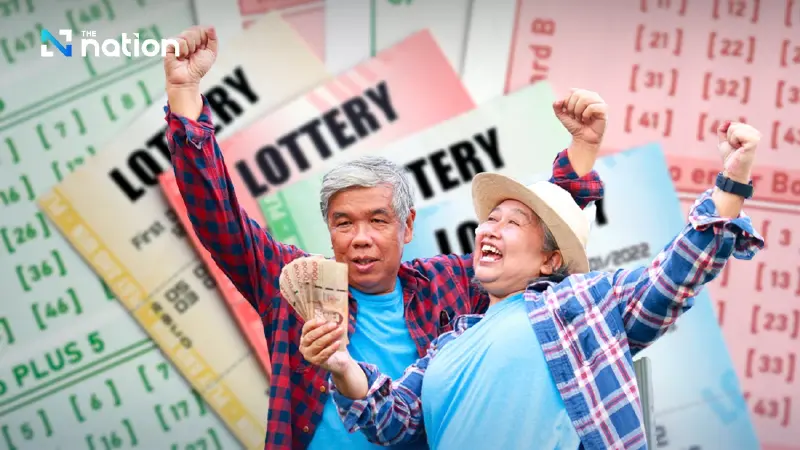


A five-region anti-gambling network urges all parties to drop “all kinds of lottery” policies, warning of addiction, debt and harm to vulnerable groups
A five-region network campaigning to stop gambling has announced its opposition to the “all kinds of lottery” policies proposed by political parties, urging them to offer more constructive incentives and to stop “intoxicating” Thais with lotteries.
On February 3, 2026, amid reports that a number of political parties have rolled out campaign policies using “lotteries” as a key strategy to motivate the public — for certain intended outcomes such as encouraging greater saving or persuading SMEs to voluntarily register into databases — Thanakorn Komkrit, secretary-general of the Stop Gambling Foundation and a representative of the five-region anti-gambling network, issued a statement declaring: “The network hereby announces that we do not agree with the ‘all kinds of lottery’ policies of every political party, for the following reasons.”

1. Lotteries are gambling. Whether the Government Lottery, underground lottery, or other lottery formats, they are considered gambling under the Gambling Act, B.E. 2478 (1935).
2. Thais spend enormous sums on lotteries each year. Spending on both people-run lotteries and state-run lotteries totals more than 250 billion baht per year — around three times the value of purchases of LTF and RMF mutual funds — or comparable to the investment value of the high-speed rail project linking three airports.
3. Lotteries are the form of gambling that most “intoxicates” Thais. In 2023, 27.5 million Thais bought the Government Lottery, while 22 million bought underground lottery tickets — a number five times higher than those who gamble on cards, online gambling, or football betting. Each year, more than 400,000 new lottery customers enter the market.

4. Children, young people and older people — vulnerable groups — are heavily affected. In 2023, more than 500,000 children under 18 bought lottery products (400,000 bought Government Lottery tickets; 170,000 bought underground lottery tickets). Among young people aged 19–25, almost 4 million played lotteries (2.1 million bought Government Lottery tickets; 1.7 million bought underground lottery tickets). Meanwhile, 6.7 million older people continued to circulate around lotteries (3.7 million bought Government Lottery tickets; 3 million bought underground lottery tickets).
5. The more state lotteries expand, the more “satellite” lotteries grow. Over the past 12 years, the number of Government Lottery tickets printed has increased by around 300% — from 36 million tickets in 2013 to more than 100 million at present — yet underground lotteries have grown alongside at a similar rate. It is also notable that as the main lottery expands, smaller formats such as online lotteries, neighbouring-country lotteries and others expand as well by more than 150%. If new lottery products are added, it will encourage underground operators to issue parallel lotteries referenced to state lotteries, and stimulate more gambling among the public.
6. “Millions of Thais are addicted to lotteries.” More than one in five lottery players admit they are “addicted” — that they cannot go without buying lottery tickets. More than 5 million people admit addiction to buying Government Lottery tickets, another 4.5 million admit addiction to underground lotteries, and 600,000 admit addiction to other lotteries. If they do not buy, they experience certain symptoms such as irritability, restlessness and an inability to restrain themselves — and ultimately they buy again.

The network said political parties should recognise that Thais have long been bombarded by lotteries, partly due to problem management that is not transparent and ineffective. It added that inequality is a key reason many Thais place their hopes on lotteries. Introducing more lottery formats would reinforce the idea that waiting and hoping for “luck” is something the state accepts and supports, and would reproduce the belief that “lotteries are hope for the poor” — pressing the notion further that lotteries are the only hope to change one’s life.
Instead, the network argued, the state should support people in building life stability on their own. A good state should “reduce the role” of gambling in society, not support gambling and use it as a “tool” itself.
The five-region anti-gambling network said good political parties should compete to propose creative policies that demonstrate the wisdom and capability of those seeking to govern the country, rather than competing to sell “hope that is entirely hopeless”. It called on all parties to present more constructive incentive policies and to stop luring Thais with lottery-selling policies of every kind.
