
Thailand steps up airport climate defences as extreme weather threatens aviation
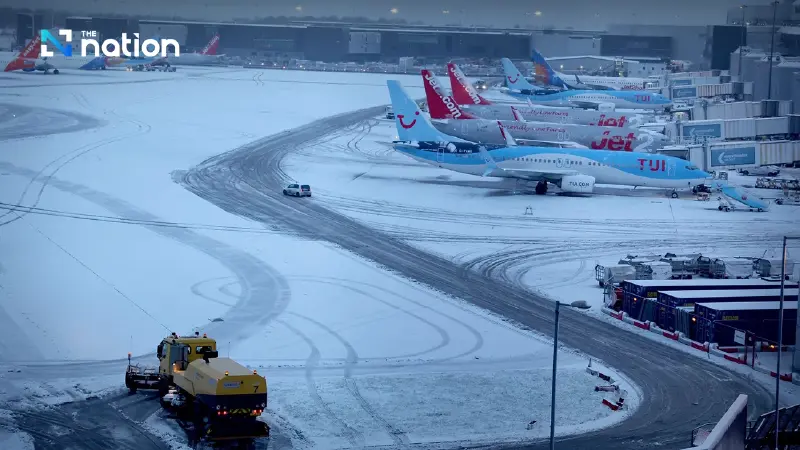


Thailand is tightening airport climate resilience, with Suvarnabhumi’s 23.5-km flood barrier and plans to flood-proof Don Mueang as extreme weather risks grow.
At present and in the near future, extreme weather is becoming a key variable that could disrupt global aviation, underscored by recent cases of airport shutdowns and rising concerns over climate-driven operational risks.
Global aviation faces mounting climate disruption risks
A 2024 flood that forced Salgado Filho International Airport in Porto Alegre, Brazil, to close for months has been cited as a warning that airport infrastructure may be unprepared for a more volatile climate.
Experts linked to the World Economic Forum (WEF) warn that without concrete adaptation, climate impacts could drive losses of up to US$500 billion by 2050, not only from physical damage but also from supply-chain disruption, higher operating costs and eroding passenger confidence.
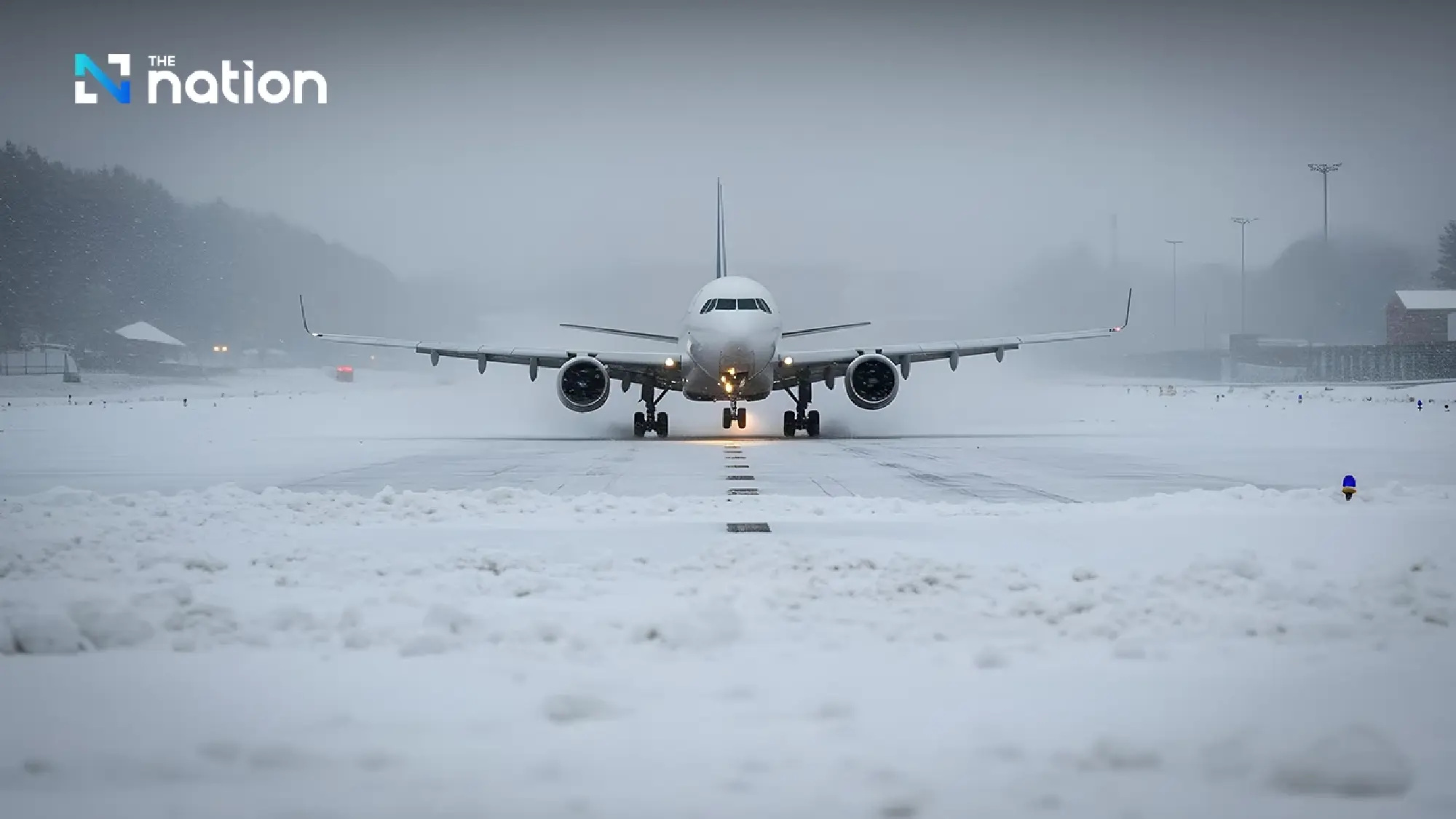

Six climate risks: from turbulence in the sky to floods on the ground
The WEF’s Airports of Tomorrow work highlights six core risk areas for airport operations—three in the air and three on the ground: clear-air turbulence, heat waves, changing wind regimes, plus sea-level rise, river flooding and extreme precipitation.
Thailand: flood protection strengthened at Suvarnabhumi, Don Mueang
Thailand sits in a region considered highly exposed to natural hazards, and flood resilience has been a priority since the 2011 flood crisis.
- Suvarnabhumi Airport has reinforced flood defences with an embankment and flood wall around the airport measuring about 23.5 kilometres, designed at around 3.5 metres above mean sea level, supported by pumping capacity to reduce the risk of operational shutdowns.
- Don Mueang Airport, which was severely affected in 2011, has had an anti-flood rehabilitation and protection plan aimed at making the airport “flood-proof”, including upgrades as part of its recovery and resilience measures.


Heat and coastal risks add pressure for Thai airports
Beyond flooding, aviation planners are increasingly focused on extreme heat, which can affect aircraft performance and strain ground operations, while coastal airports face longer-term threats from sea-level rise and erosion.
Digital twins: stress-testing airports before disasters strike
One approach gaining traction is the use of digital twins and simulation to model entire airport systems—passenger flows and back-end operations—then run stress tests for worst-case scenarios to identify failure points and prioritise high-impact investments.
