
Thailand named among world’s 20 most liveable countries for 2026
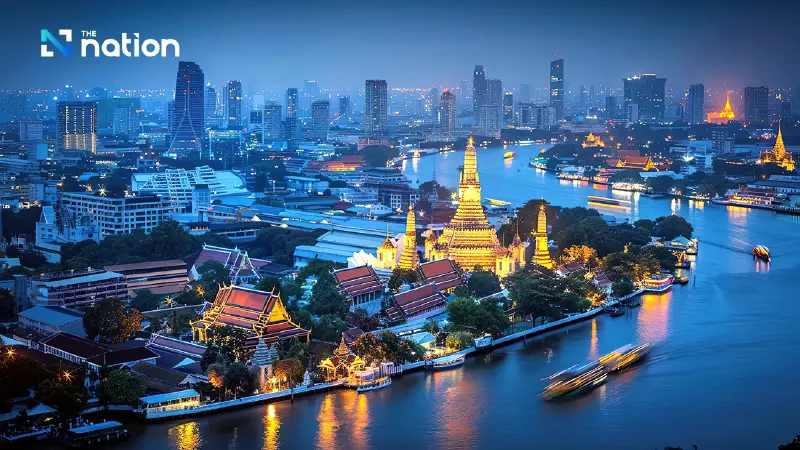


Striking architecture, forward-looking urban planning and a design-rich culture have helped Thailand make a global list of 20 countries considered among the best places to live in 2026.
The world’s most liveable countries tend to share a similar mix of strengths: impressive architecture, thoughtful urban planning and cultures shaped by artistic expression. Creating a “liveable” destination is not necessarily tied directly to GDP or military power; instead, a sustained focus on design can play a meaningful role in improving quality of life.
Architectural Digest’s round-up of the “best countries to live in” for design lovers uses the latest US News & World Report “Best Countries in the World” ranking as a starting point, selecting 20 countries viewed as the strongest for design from that broader list.
The assessment also takes into account other benchmarks, including Astons’ 2026 quality-of-life ranking, Global Citizen Solutions’ list of the 10 best countries to live in, and World Population Review’s 2026 “best countries to live in” list.
Below are 20 of the world’s most liveable countries for 2026:
Switzerland
Switzerland took the top spot in US News & World Report’s ranking, supported in part by low unemployment and a highly skilled workforce. The country has a long design heritage—particularly in graphic design—and is also home to many standout architects.
Japan
Although Japan’s population is around a third of the United States and its GDP less than one-sixth, it has three times as many UNESCO-designated Cities of Design. Kobe is known not only for its beef but also for the arts; Asahikawa is famed for furniture; and Nagoya’s design philosophy is deeply rooted in humanism. Tokyo, while not a UNESCO City of Design, is widely regarded as one of the world’s major design hubs—celebrated for modern innovation alongside historic preservation.
United States
The world’s largest economy ranks highly for cultural influence, driven by its role in global entertainment. It is also strong on design: a World Design Rankings tally based on A’ Design Award recipients places the United States second, behind only China.
Australia
Australia ranks well overall and also places in US News’ top 10 for quality of life. A strong job market, economic and political stability, and a family-friendly environment all support its appeal. On the creative front, it is home to Geelong, Victoria—recognised as a UNESCO City of Design.
Sweden
It is difficult to imagine modern homes without iconic IKEA designs such as Billy bookcases, Hemnes drawers and affordable sheepskin rugs. IKEA, a Swedish brand, has transformed the global furniture industry. Swedish design is widely associated with simplicity and functionality, strongly influenced by nature—from forests to lakes—making it a potential driver of more environmentally friendly design in the future.
Germany
Germany is home to dozens of leading design universities, including Bauhaus University as well as major arts universities. In Berlin—recognised as a UNESCO City of Design—residents can regularly visit institutions such as the Bauhaus Archive Museum and the Tchoban Foundation Museum for Architectural Drawing.
United Kingdom
As one of Europe’s great cultural capitals, the UK has long been at the forefront of creativity and is determined to remain there—particularly through design driven by sustainability.
New Zealand
It is unsurprising that New Zealand scores highly for adventure, but it also performs strongly on social purpose—an area US News describes as helping build cultural cohesion. New Zealanders are known for their focus on the environment, human rights and religious freedom, and this sense of purpose often carries into architecture.
Denmark
Copenhagen—filled with modern furniture shops and Scandinavian interiors—has long attracted design enthusiasts. However, Denmark’s UNESCO City of Design is the high-tech city of Kolding.
France
With government-guaranteed social services (including healthcare, education and pensions) alongside deep cultural wealth—literature, architecture, film, dance and fashion—France remains a dream destination for lovers of beauty and culture.

The Netherlands
High-quality education, a strong public healthcare system and a cycling culture that helps cut air pollution all contribute to the Netherlands’ quality of life (Global Citizen Solutions ranks it sixth). The country is also known for forward-looking design and sustainability, reflected in headline projects and leading creative institutions.
Singapore
Singapore, a densely populated city-state, is recognised as a UNESCO City of Design. It has leaned on smart design solutions to meet citizens’ needs. In 2003, the Ministry of Culture established the DesignSingapore Council to promote socially responsible design programmes addressing issues such as homelessness, access to creative education and equality.
Italy
If cultural criteria alone decided the “best country”, Italy would often take the top spot. It has ranked first for cultural influence for multiple years in US News’ assessments and also places highly for heritage.
South Korea
Seoul earns high marks for sustainable design and is home to the Seoul Design Award, recognising designers, organisations and companies whose projects support a more sustainable daily life and harmonious relationships between people, society and the environment.
Finland
In Finland, happiness and good design are often seen as inseparable. Finland has been named the world’s happiest country for eight consecutive years, reinforcing the idea that design and wellbeing go hand in hand.
Iceland
Finland may be the happiest, but Iceland is often regarded as among the most creative. A national emphasis on education, innovation and storytelling has produced a society where a large share of the population works in creative fields—and many will publish books in their lifetime.
Luxembourg
With strong purchasing power and excellent public services, Luxembourg ranks at the top of Astons’ list and also appears in the top 10 of World Population Review’s assessment. Although it is landlocked and often overshadowed by neighbours, it is one of Europe’s most prosperous countries and leads the EU in GDP per head.

Thailand
With a low cost of living—especially compared with many Western European countries—Thailand has become a popular destination for digital nomads. Design lovers can explore ornate Buddhist temples and contemporary design spaces such as the Thailand Creative & Design Centre (TCDC) in Bangkok. Bangkok is recognised by UNESCO as a City of Design and hosts major events including ASA Architect Expo, STYLE Bangkok, and Bangkok Design Week, drawing international visitors with workshops, experimental showcases and food markets.
Brazil
Brazil’s creative foundations remain strong, particularly in Fortaleza and Brasília—both recognised as UNESCO Cities of Design. Fortaleza hosts Ceará Design Week each year, while Brasília is celebrated for modernist architecture that has attracted design lovers for decades.
Mexico
Like Japan, China and Brazil, Mexico has two UNESCO Cities of Design: Querétaro and Mexico City. Querétaro is an innovation hub that runs creative events highlighting its design industries, including animation, architecture and digital art. Mexico City is known for global design influence and a rich cultural scene across museums, food, fashion and music.
