
ISOC launches nationwide crackdown on fuel hoarding and unfair pricing
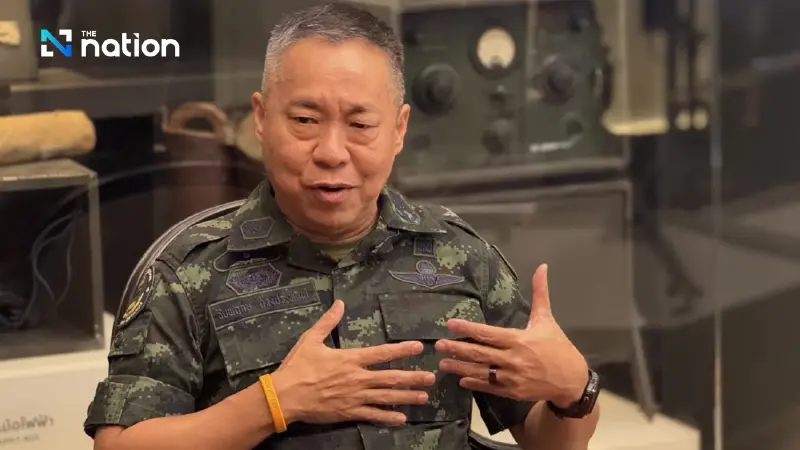


The Internal Security Operations Command has ordered provincial units nationwide to form inspection teams to closely monitor fuel sales and stockpiling.
Gen Chaiyapruek Duangprapat, Army Chief of Staff and secretary-general of the Internal Security Operations Command (ISOC), said on Monday (March 16) that instructions had been issued to ISOC provincial offices nationwide to integrate their work with relevant local agencies and establish monitoring teams to closely inspect fuel sales and stockpiling.
The measure is intended to monitor and prevent actions that could affect the country’s energy security, including opportunistic fuel hoarding or unjustified price increases that could cause widespread hardship for the public.
ISOC provincial offices have been assigned to coordinate with government agencies, private-sector organisations and local law-enforcement authorities, including provincial commerce offices, provincial energy offices, police and administrative officials, to jointly inspect petrol stations, fuel storage facilities and fuel distribution in their areas on an ongoing basis.
The inspections will cover possible hoarding, irregular sales practices and actions that may violate the law, such as unjustified price increases or any conduct that could disrupt the country’s energy distribution system.
Chaiyapruek said the operation follows the policy of the Army Commander, in his capacity as deputy director of the Internal Security Operations Command, who has tasked the Army Chief of Staff, serving as ISOC secretary-general, with overseeing ISOC operations in support of national security missions in all dimensions.
This is especially the case in the area of energy security, which is a key factor affecting the economy, transport and people’s daily lives. Any irregularities in the distribution or reserve system could have wide-ranging consequences.
ISOC will continue to monitor the situation closely and coordinate with all relevant sectors to ensure that the country’s energy management is effective, transparent and able to minimise the impact on the public as much as possible.
