
Songkran road toll opens with 135 accidents on day one
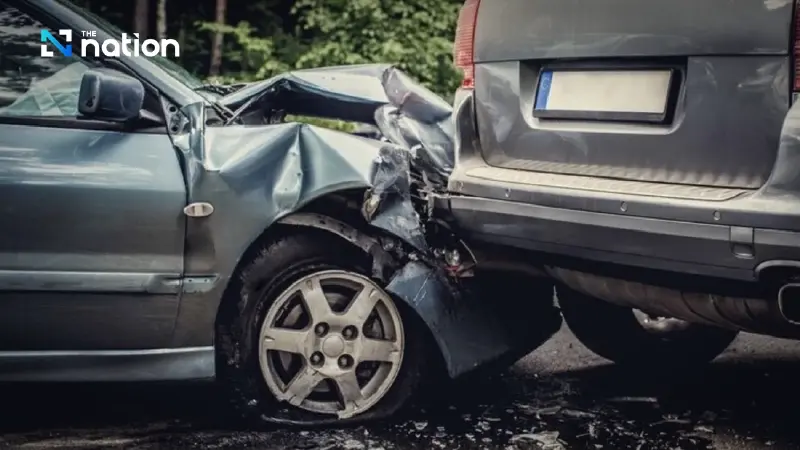


Thailand recorded 135 road accidents, 20 deaths and 132 injuries on the first day of the Songkran “seven dangerous days” campaign
Thailand recorded 135 road accidents, 20 deaths and 132 injuries on the opening day of the Songkran holiday road safety campaign, as authorities warned that traffic on outbound routes to the provinces was expected to become even heavier.
The figures were released by the Road Safety Directing Centre, under the Department of Disaster Prevention and Mitigation, in its summary of road accidents for April 10 during the 2026 Songkran festival period.
According to the centre, the leading causes of accidents on the first day were speeding, which accounted for 37.78% of cases, followed by dangerous cut-ins at close range, at 22%.
Motorcycles were involved in the highest number of accidents. Most crashes occurred on straight roads and highways, with the most dangerous time period between 3.01pm and 6pm. The age group with the highest number of injuries and deaths was 60 to 69 years old.
Trang and Songkhla recorded the highest number of accidents, with eight cases each. Trang had the highest number of injured people, at nine, while Prachin Buri and Songkhla recorded the highest number of deaths, with two each.
A total of 59 provinces recorded no deaths on the first day.
Authorities said traffic on major highways leading out to the regions was expected to be heavy throughout today, as large numbers of people travel back to their home provinces or head to other destinations for the holiday. Congestion is expected on several routes at different periods of the day.
The centre said it had coordinated with all provinces and Bangkok to facilitate travel, particularly on major roads and connecting inter-provincial routes, while also stepping up law enforcement.
Officials said particular attention would be paid to risky behaviour including speeding, drink-driving, failing to wear helmets, not wearing seatbelts, driving against traffic, running red lights, driving without a licence, overtaking in dangerous areas and using mobile phones while driving.
Authorities are also checking unsafe motorcycles, passengers travelling in pickup truck beds, and whether there are stranded passengers at transport terminals.
At the same time, transport agencies have been instructed to inspect vehicle conditions, drivers and onboard staff. Drivers and transport personnel must have zero alcohol in their systems, must not have used narcotics or psychoactive substances, and must not carry passengers beyond the legal seating limit.
Officials are also monitoring the illegal use of privately registered vans for unauthorised passenger transport during the holiday travel rush.
