
PM2.5 engulfs 39 provinces as northern Thailand enters critical stage
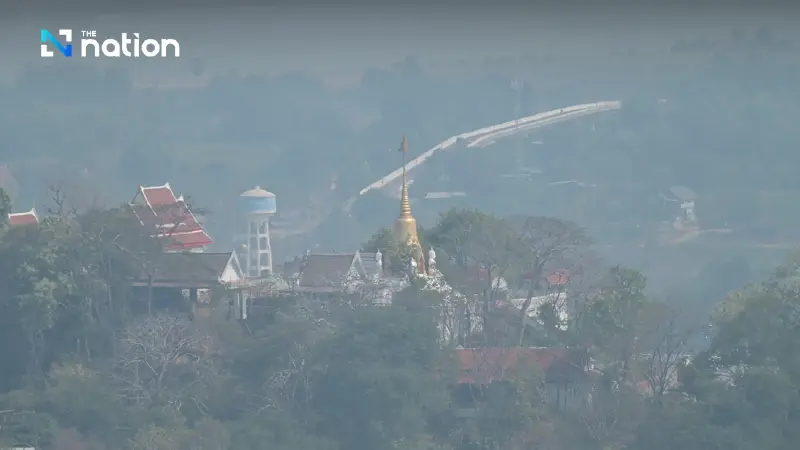


PM2.5 levels exceeded the safety standard in 39 provinces on April 14, with northern Thailand facing critical air pollution, according to the government’s air pollution centre.
The Center for Air Pollution Mitigation reported on April 14, 2026 that PM2.5 levels had exceeded the standard in 39 provinces nationwide, with northern Thailand in a critical condition.
The 39 provinces affected were Chiang Rai, Chiang Mai, Nan, Mae Hong Son, Phayao, Lamphun, Lampang, Phrae, Uttaradit, Sukhothai, Phitsanulok, Tak, Kamphaeng Phet, Phichit, Phetchabun, Nakhon Sawan, Uthai Thani, Chai Nat, Sing Buri, Lop Buri, Suphan Buri, Ratchaburi, Samut Songkhram, Rayong, Bueng Kan, Nong Khai, Loei, Udon Thani, Nakhon Phanom, Nong Bua Lamphu, Sakon Nakhon, Mukdahan, Khon Kaen, Kalasin, Roi Et, Amnat Charoen, Chaiyaphum, Yasothon and Ubon Ratchathani.

By region, PM2.5 levels in the North were above the standard in most areas, ranging from 56.7 to 228.8 micrograms per cubic metre. In the Northeast, levels were also above the standard in most areas, ranging from 25.8 to 196.4 micrograms per cubic metre. In the Central and western regions, six areas exceeded the standard, with readings of 23.3 to 60.4 micrograms per cubic metre, while in the East only one area was above the limit, at 15.8 to 40.7 micrograms per cubic metre.
In the South, overall air quality remained at a very good level, with PM2.5 readings of 11.7 to 21.3 micrograms per cubic metre. In Bangkok and surrounding provinces, monitoring stations operated jointly by the Pollution Control Department and the Bangkok Metropolitan Administration reported overall air quality as good, with readings of 18.4 to 35.9 micrograms per cubic metre.
The public has been advised to monitor their health, reduce the time spent on outdoor activities, or use protective equipment. People who need special health care should cut back further on outdoor exposure or use protective gear, and anyone experiencing symptoms should consult a doctor. For residents in health-affected areas marked in red, outdoor activities should be avoided as much as possible, or protective equipment should be worn.
