
Ekniti eyes smart grid shift to let households sell power
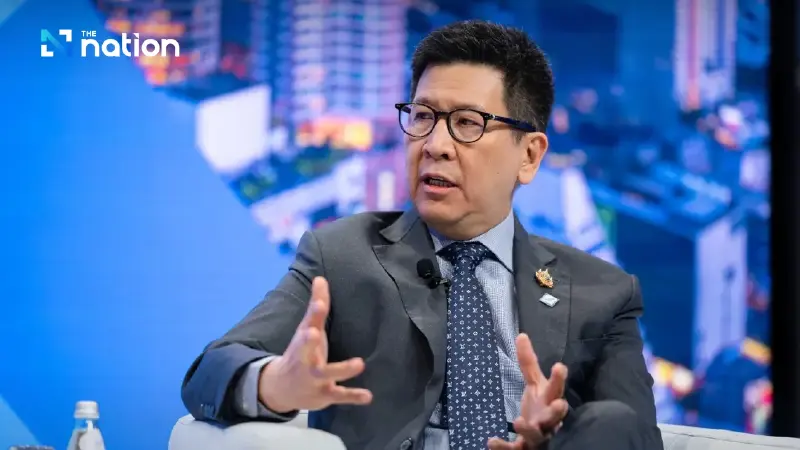


At the IMF-WBG Spring Meetings 2026, Ekniti highlighted smart grid reform, targeted energy aid and digital wallets for fuel and cooking gas support
Thailand has taken what Ekniti Nitithanprapas described as an early step towards opening the electricity system to households, with the deputy prime minister and finance minister signalling a future in which people who generate surplus power from rooftop solar could sell it back into the grid.

Speaking at the Governor Talk: Thailand - Navigating Macroeconomic Stability and Growth in a Turbulent World during the IMF-WBG Spring Meetings 2026 in Washington, DC, Ekniti framed the policy direction as part of a broader effort to turn crisis into opportunity, especially by strengthening Thailand’s energy resilience amid volatility driven by the Middle East conflict.
The IMF event description said the discussion focused on Thailand’s response to higher energy prices, domestic policies to safeguard macroeconomic stability and growth, and Thailand’s role in regional integration ahead of Bangkok hosting the 2026 IMF-World Bank Annual Meetings.
Households encouraged to install solar panels
Ekniti said the government is already promoting rooftop solar installations at household level through tax incentives as a way to ease living costs.
But he made clear that the bigger ambition goes beyond cutting monthly bills. Thailand, he said, wants to upgrade its energy infrastructure towards a smart grid and power storage system that would eventually allow households to sell excess electricity back into the grid. If realised, that would not only create a new source of income for families but also strengthen energy security from the ground up.
Energy crisis hitting Thailand through two channels
Ekniti acknowledged that Thailand remains highly vulnerable to the current energy shock because imports of oil and gas account for around 10% of gross domestic product.
He said the crisis is hurting the economy through two main channels:
Price channel: higher energy prices are squeezing household purchasing power through transport costs and inflation
Supply shock: rising costs for imported inputs such as fertiliser and naphtha are disrupting agriculture and industry
Targeted subsidies, not blanket support
With fiscal space narrowing, Ekniti said the government is using its 4T approach, Target, Transition, Transform, Together, to manage the crisis more efficiently.
That means shifting away from blanket subsidies and towards targeted support aimed at the groups most directly affected. The goal is to use limited budget resources more precisely while still cushioning the impact of the energy shock.
Direct digital support for fuel and gas under study
He said one of Thailand’s key strengths is its digital public infrastructure, particularly systems such as PromptPay, which can be used to transfer assistance directly to intended recipients during crises.
He cited previous efforts to connect truck drivers’ licence data with bank accounts and to use digital welfare cards to deliver support more accurately, instead of relying on broad cash handouts.
Building on that model, the government is now studying a digital wallet mechanism for cooking gas and fuel support, which would allow targeted relief to be sent directly to those who need it most.
Tourism recovery still being watched closely
Ekniti also said tourism, one of Thailand’s main economic engines, had continued to recover, with Songkran providing encouraging momentum.
Even so, he warned that the conflict in the Middle East still poses risks to confidence and could slow tourist arrivals if tensions worsen. That is why Thailand is also looking to deepen Asean cooperation, including through cross-border payment systems, to support regional tourism and make growth more resilient.
