
Super El Niño threat raises heat and drought warnings
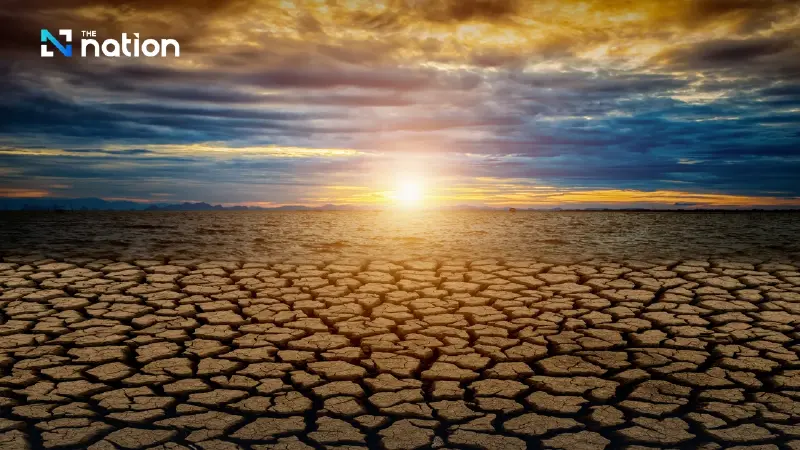


World Meteorological Organization warns El Niño may develop by August and last into November, raising risks of heatwaves, drought, floods and food pressure
WMO warns El Niño could intensify global heat risks
The World Meteorological Organization has warned that El Niño conditions are likely to develop in the coming months, raising concerns that global weather patterns could become more extreme at a time when the planet is already under pressure from human-driven climate change.
According to the WMO, there is an 80% chance that an El Niño event will form during June-August 2026, with probabilities near or above 90% that it will continue at least until November.
Forecast models still vary on when the event may peak and how strong it will become, but most indicate it is likely to be at least moderate and possibly strong.
The warning follows observations of rising sea-surface temperatures in the central and eastern equatorial Pacific, the key region used to monitor El Niño development.
The WMO said unusually warm subsurface waters across the tropical Pacific, with temperatures more than 6 degrees Celsius above average in some areas, are feeding surface warming and acting as a major reservoir of heat.
That stored heat, moving eastwards beneath the Pacific surface, is expected to gradually rise and release energy into the atmosphere.
Climate experts say this process can disrupt weather systems worldwide, intensify heat and alter rainfall patterns across continents.

Drought, floods and food security in focus
El Niño is typically linked to hotter global temperatures and more volatile rainfall patterns.
The WMO said above-normal temperatures are forecast across nearly all parts of the world for June-August, increasing the risk of heat stress and compounding hazards in vulnerable areas.
Regional impacts are expected to vary.
El Niño is often associated with drier conditions in parts of Australia, Indonesia and southern Asia, while some areas of the southern United States, the Horn of Africa, central Asia and southern South America may see increased rainfall.
The phenomenon can also influence storm activity.
Warm El Niño waters tend to support more hurricane formation in the central and eastern Pacific, while suppressing hurricane development in the Atlantic basin.
The WMO noted that the US National Oceanic and Atmospheric Administration has forecast a below-normal Atlantic hurricane season this year.
One of the biggest concerns is food security.
Drought linked to El Niño could affect farm output and push up food prices, especially in regions where growers are already facing high fertiliser and fuel costs.
The Bangkokbiznews report also noted concern that broader conflict-related pressure on costs could worsen the strain on agricultural production.
Calls grow for early warning and climate action
UN Secretary-General António Guterres described El Niño as an urgent climate warning, saying its arrival would add fuel to a warming world and deepen impacts that can cross borders quickly.
He called for faster action to move away from fossil fuels, accelerate renewable energy and expand early warning systems to protect vulnerable communities.
WMO Secretary-General Celeste Saulo also urged countries to prepare for a potentially strong El Niño, warning that it could worsen drought, heavy rainfall and heatwaves both on land and in the ocean.
She said early seasonal forecasts and warning systems are essential to save lives and reduce damage to economies and communities.
The previous El Niño event in 2023-24 was among the five strongest on record and contributed to record global temperatures in 2024.
While the WMO does not use the term “super El Niño” in its official operational classifications, it stressed that even a moderate El Niño can make some weather and climate extremes more likely.
