
Chaiyaphum yields 130-million-year-old carnivore fossil
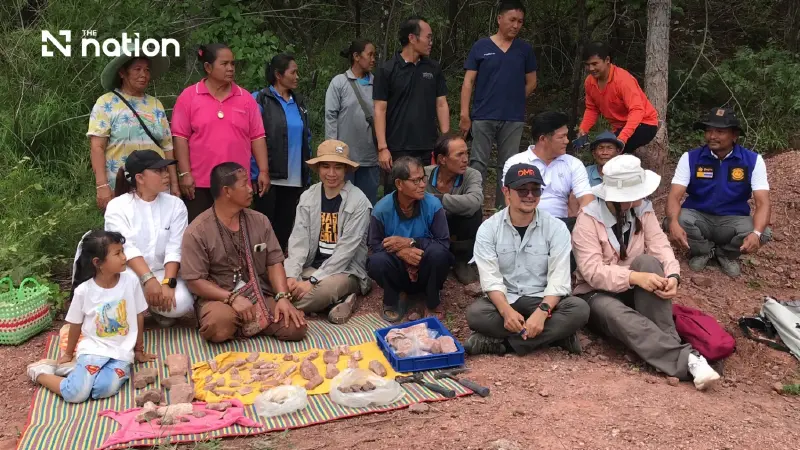


More than 100 fossil fragments from a meat-eating dinosaur have been found in Chaiyaphum, with researchers preparing further excavation and study
- Over 100 fossil fragments from a carnivorous dinosaur, estimated to be more than 130 million years old, have been discovered in Chaiyaphum province.
- The discovered remains, which include vertebrae and leg bones, suggest the dinosaur had a sail-like structure along its back.
- This is the fourth dinosaur specimen found in Chaiyaphum and is the oldest discovered in the province to date.
More than 100 fossil fragments believed to belong to a meat-eating dinosaur dating back over 130 million years have been discovered at Khao Sam Phan Ta in Chaiyaphum.

The fossils were found near Ban Mai Nong Daeng in Chiban subdistrict, Ban Khwao district, after an excavator was used to clear land west of the village cemetery for construction of a crematorium.
Yodsanya Pitabut, a 53-year-old local resident who first noticed the remains, collected several fragments and sent them to officials for examination.
Researchers later identified bones including vertebrae, leg bones, joints, ankles and toe bones. The dinosaur was described as a carnivorous species with a ridge or sail-like structure along its back.
A research team inspected the site at 9am on August 4.

The group was led by Dr Sita Manitkul, a researcher at the Palaeontological Research and Education Centre at Mahasarakham University. Sita was also involved in the study of Nakhonchaisitton chaiyaphumensis, referred to in the source as Nakhon Titan Chaiyaphumensis, a plant-eating dinosaur previously discovered in the province.
The inspection team also included Adunwit Kaweera, a practising geologist at the Dinosaur Research and Museum Centre in Khon Kaen, and Kesadaporn Khrueaphakdi, a geologist at the same centre.
The Chiban Subdistrict Administrative Organisation chief, community leaders and more than 10 villagers joined the survey.
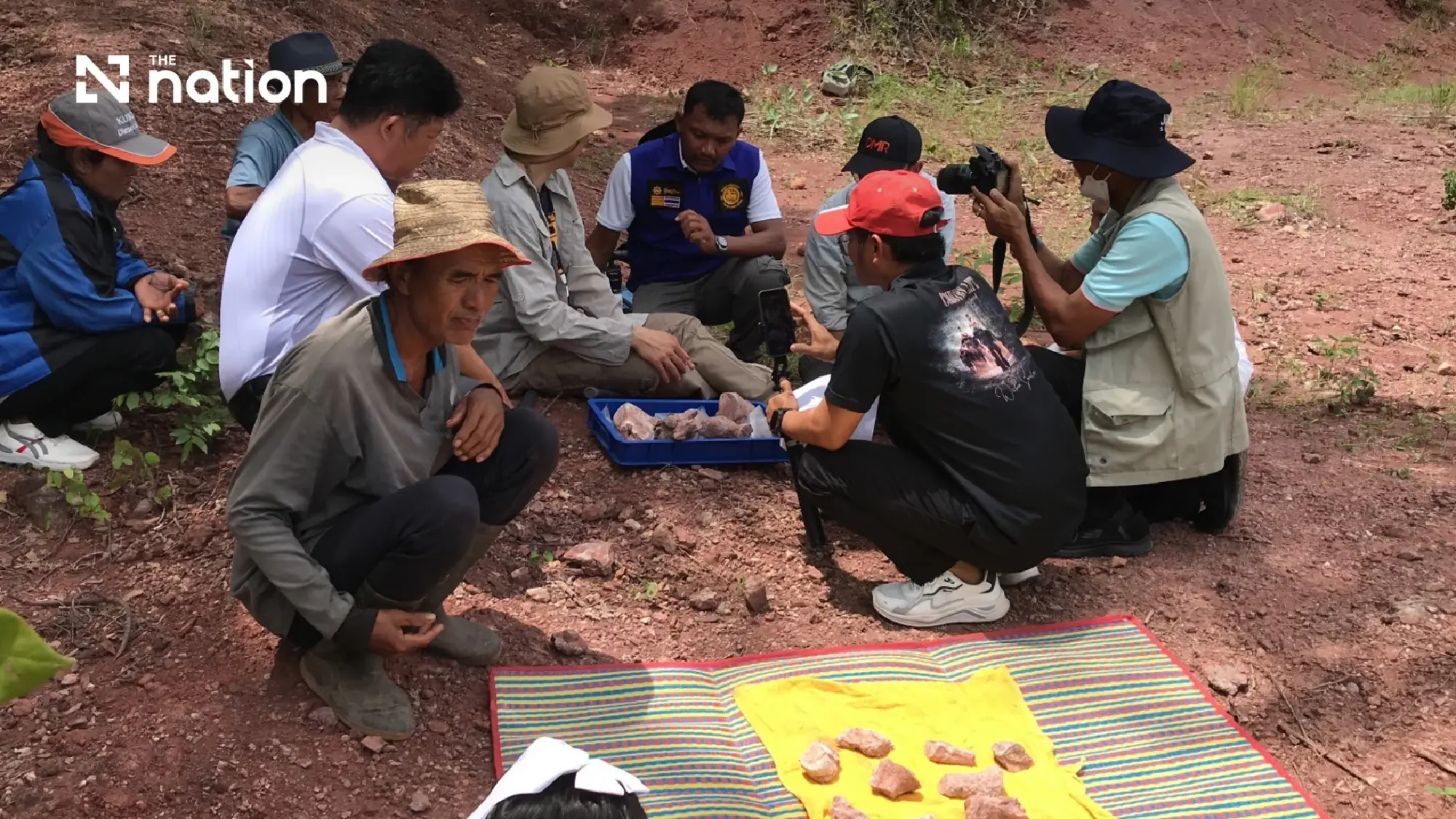

More remains may lie beneath limestone
Researchers also found a fragment described as part of a shark fin in the same area.
The recovered fossils will be taken to the research centre for further examination, while scientists continue searching for additional remains believed to be buried beneath limestone at the site.
The newly discovered dinosaur is estimated to be more than 130 million years old, making it around 20 million years older than the plant-eating dinosaur previously found in Nong Bua Rawe district, which was dated to about 110-115 million years ago.
According to the initial assessment, it is the fourth dinosaur specimen found in Chaiyaphum and the oldest discovered in the province.
The community plans to develop the site into an educational attraction and provincial tourism destination once research has been completed.
