Thai travel trends in 2026 are shifting towards short restorative trips, marathon weekends, domestic staycations and deeper visits to Asian secondary cities
Thai travellers are increasingly taking more frequent, short restorative trips and domestic staycations, with a majority preferring holidays lasting one to three days.
A "run-cation" trend is emerging, where travellers plan trips around participating in marathons in destinations like Seoul, Bangkok, and Japan, reflecting a growing interest in health-focused travel.
There is a growing preference for visiting secondary cities, both domestically and internationally, as travellers seek more authentic local experiences and cost-effective options away from major tourist hubs.
Thai travellers are increasingly choosing short restorative breaks, marathon-related holidays and more in-depth visits to secondary cities as travel patterns shift in 2026.
Data from Agoda and Traveloka indicate that holidays are becoming easier to fit around work, study and personal schedules, while cost, wellbeing and local experiences are playing a greater role in destination choices.
One emerging trend is the “run-cation”, in which travellers combine a trip with participation in a running event.
Agoda reported that Thai travellers were increasingly planning journeys around weekend marathons in Thailand and elsewhere in Asia.
Marathon weekends draw more Thai travellers
Accommodation searches by Thai travellers for the JTBC Seoul Marathon, scheduled for November 1, rose by 73% compared with the same period last year.
Searches for stays during the Amazing Thailand Marathon Bangkok 2026, taking place on November 28-29, increased by 19%.
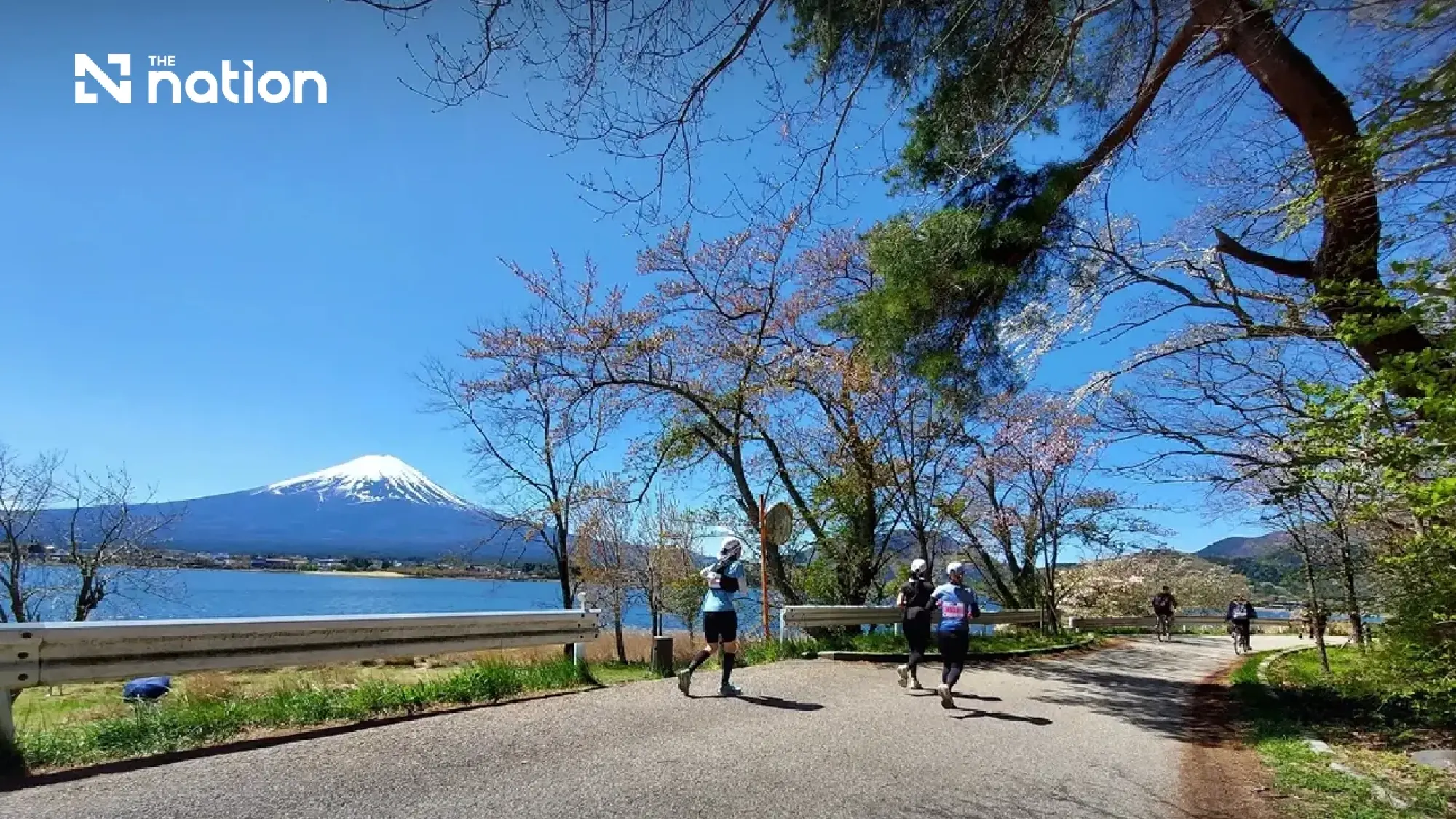
For the Mt Fuji International Marathon 2026, scheduled for December 12-13 near Tokyo, searches by Thai travellers rose by 41%.
Thailand ranked among the top three markets for accommodation searches on Agoda for the event.
Akaporn Rodkong, Agoda’s country director for Thailand and Indochina, said marathons had previously tended to be individual activities but were increasingly becoming the centrepiece of trips for some travellers.
“Thai travellers are among the groups most interested in joining leading regional races, reflecting a broader demand for purpose-driven travel focused on health and wellbeing rather than sightseeing alone,” he said.
Gen Z favours short, restorative breaks
Thai Gen Z travellers are also shifting away from relying solely on long annual holidays and towards more frequent short trips.
Agoda found that 62% planned to take at least one to three trips in 2026.
More than 65% preferred trips lasting between one and three days, allowing travel to be fitted more easily around work, study and personal commitments.
Rest was the main reason for travelling for 77% of respondents, who viewed trips as a way to recharge and escape everyday stress rather than follow a tightly scheduled sightseeing plan.
Budget remained one of the most important considerations.
Seventy-two per cent identified cost as a major factor in choosing a destination, while 34% were prepared to visit lesser-known places if doing so reduced expenses.
Price was also the main consideration when selecting hotels or rental accommodation for 57% of the group.
Traveloka reported that domestic staycation bookings across Thailand had increased by more than 70% from a year earlier.
Thai coastal destinations recorded particularly strong growth as travellers opted for weekend breaks and short domestic trips instead of waiting for extended public holidays.
Krabi recorded the fastest increase, with bookings more than doubling from the previous year.
Hua Hin bookings rose by more than 80%, while Pattaya increased by about 65% and Phuket by almost 60%.
Expectations of staycations are also changing, with travellers seeking more than accommodation alone.
Experiences such as sea views, spa treatments, local cafés, regional food and time spent in a different setting are becoming part of the reason for choosing a property.
Repeat visitors explore Japanese regional cities
For overseas trips, major Asian capitals remain popular, but Traveloka found that more Thai travellers were beginning to seek experiences outside established tourist routes.
Secondary cities are attracting visitors who want closer contact with local culture and everyday life.
Japan remains one of the leading overseas destinations for Thai travellers, although booking patterns are moving beyond Tokyo and Osaka.
Sapporo, Fukuoka and Nagoya are among the cities drawing greater interest, particularly from travellers who have visited Japan several times and are looking for more specialised or distinctive experiences.
Thipaporn Duangmak, Traveloka’s country manager for Thailand, said Thai tourists were moving away from trips centred on collecting popular check-in points.
“We are seeing Thai travellers shift towards journeys that offer more authentic local culture and experiences, whether that means finding a hidden hot spring in a small town or travelling specifically to try regional food,” she said.