
Royal Thai Air Force chief to sign Gripen purchase deal today
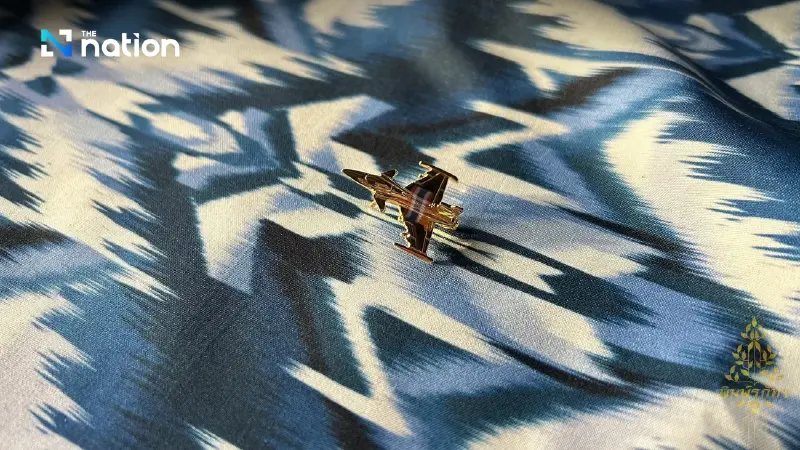


Air Chief Marshal Panpakdee Pattanakul, Commander of the Royal Thai Air Force (RTAF), is set to sign a new Gripen fighter jet procurement contract on Monday.
Speaking to the press in Sweden on Sunday, Panpakdee confirmed that the signing ceremony for the Gripen acquisition project would take place on August 25 at around noon local time. The agreement will be signed between both the Thai and Swedish sides, with Thai Foreign Minister Maris Sangiampongsa acting as a witness to the government-to-government deal.
The RTAF will also sign with Sweden’s Defence Materiel Administration (FMV) and Saab on the offset policy arrangements.

When asked how the RTAF’s fleet would change after acquiring a second batch of Gripens, Panpakdee explained that the jets would replace F-16s at Wing 1 in Nakhon Ratchasima. He stressed that the overall size of the air force would not increase, but would instead become smaller and more efficient.
Even with fewer aircraft, the quality and capabilities will be higher, resulting in better overall efficiency, he said.

Addressing the Thai public, the air force chief underlined that national security was the primary objective of the acquisition. He said the offset policy would create added value for the country through technology transfer and high-skilled employment opportunities.
This is a pilot project that will bring significant benefits and value to Thailand as a whole, he said.

Panpakdee also thanked local designers for creating the Surin silk pattern named after “Mae Ya Nang Gripen,” calling it a symbol of support from the Thai people. He noted that alongside the new Gripens, the RTAF’s F-16s, Alpha Jets, F-5s and other aircraft remained fully operational, ensuring readiness to perform their missions.
He affirmed that all RTAF operations are strictly carried out under the framework of the United Nations Charter for the defence of Thai sovereignty.
