
Airlines Association urges Transport Ministry to cut jet fuel tax to 0.20 baht per litre to reduce fares and boost tourism
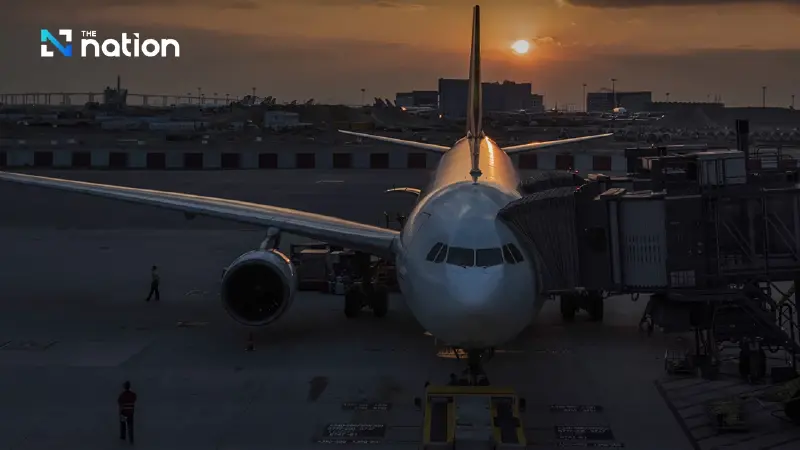


The Airlines Association of Thailand has proposed four measures, including a jet fuel tax cut, to lower travel costs, support tourism recovery, and strengthen the aviation sector.
Deputy Prime Minister and Transport Minister Phiphat Ratchakitprakarn chaired a high-level meeting on national aviation policy on Wednesday to accelerate the revival of Thailand’s aviation industry and strengthen its competitiveness on the global stage.

The session focused on strategies to reduce state-imposed operating costs for airlines, with the goal of lowering domestic travel expenses and supporting the recovery of tourism and the wider economy.
The Airlines Association of Thailand (AAT) presented four key proposals to help revitalise the sector:
1. Suspend increases in aviation fees (ANSC and PSC)
The AAT proposed delaying scheduled hikes in air navigation service charges (ANSC) and passenger service charges (PSC) to ease costs for both airlines and passengers during the economic recovery. Specific recommendations include:
- Don Mueang Airport (DMK): Postpone the ANSC adjustment to 2027
- Regional airports (Chiang Mai, Phuket, Krabi): Postpone to 2028
The association believes this would help boost flight frequency, stimulate regional travel, and support tourism growth.
2. Reduce excise tax on jet fuel to 0.20 baht per litre
AAT urged the government to cut the jet fuel excise tax from 4.726 baht per litre to 0.20 baht per litre. The move would reduce airline operating costs, enabling a 100-baht drop in average domestic ticket prices per flight and expand domestic flight capacity by 3.8 million seats between 15 January and 15 May 2026, generating an estimated 22 billion baht in additional economic circulation.

3. Launch “Buy International, Free Domestic Flights” campaign
AAT proposed a promotional campaign offering free domestic flight tickets to foreign tourists who purchase international flights to Thailand between 15 January and 12 April 2026. The initiative aims to attract over 200,000 foreign visitors, injecting more than 8.5 billion baht into the local economy.
4. Reform aviation laws and regulations
The association called for a comprehensive review of aviation-related legislation to enhance Thailand’s competitiveness. Proposed measures include revising jet fuel tax rates, expediting aircraft import procedures, and improving transparency in aviation fee assessments.
It also recommended a public consultation process and the creation of a tripartite working group — involving the public, private, and government sectors — to align Thai aviation laws with international standards.

Phiphat acknowledged the importance of all four proposals and pledged a thorough review.
“I will take 30 days to study these proposals and consult all relevant agencies within the Transport Ministry before finalising an implementation plan for each measure,” he said.
