
CAAT-AOT-DOA: Rising costs prompt potential increase in aviation fees; passengers to bear the burden
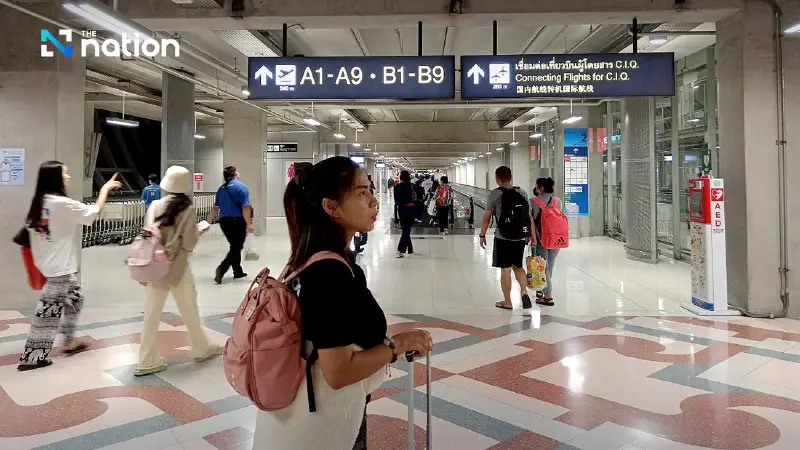


CAAT to meet with Airline Association for final decision before submission to the Civil Aviation Board (CAB) – After 10 years, the government agencies seek adjustment in aviation fees to reflect current conditions

Three government agencies in Thailand, namely CAAT (Civil Aviation Authority of Thailand), AOT (Airports of Thailand), and the DOA (Department of Airports), are preparing to propose increases in aviation fees. This includes a proposed increase in the fee for entering or exiting Thailand from 15 baht to 25 baht per passenger per trip.
Meanwhile, AOT is seeking to raise the Passenger Service Charge (PSC) for international passengers by over 200 baht, as well as studying the implementation of a Transit Travel Fee and an increase in landing and parking fees. The DOA is requesting an additional 25 baht for the PSC at Trang Airport.
CAAT to Meet Airline Association Before Final Proposal
Air Chief Marshal Manat Chavanaprayoon, Director of the Civil Aviation Authority of Thailand (CAAT), revealed that CAAT is currently collecting proposals from the relevant authorities on raising various aviation fees, aiming to adjust them in line with the current situation after not increasing them for more than 10 years. CAAT plans to meet with the Airline Association of Thailand, representing Thai airlines, to discuss the matter with all relevant agencies before finalizing the proposal and submitting it to the Civil Aviation Board (CAB) for approval.
As the decision to raise fees will affect multiple parties, CAAT is keen to balance the needs of the agencies proposing the fee increases and the potential impact on the public. The goal is to ensure airlines remain operational while keeping airfares fair and reasonable.
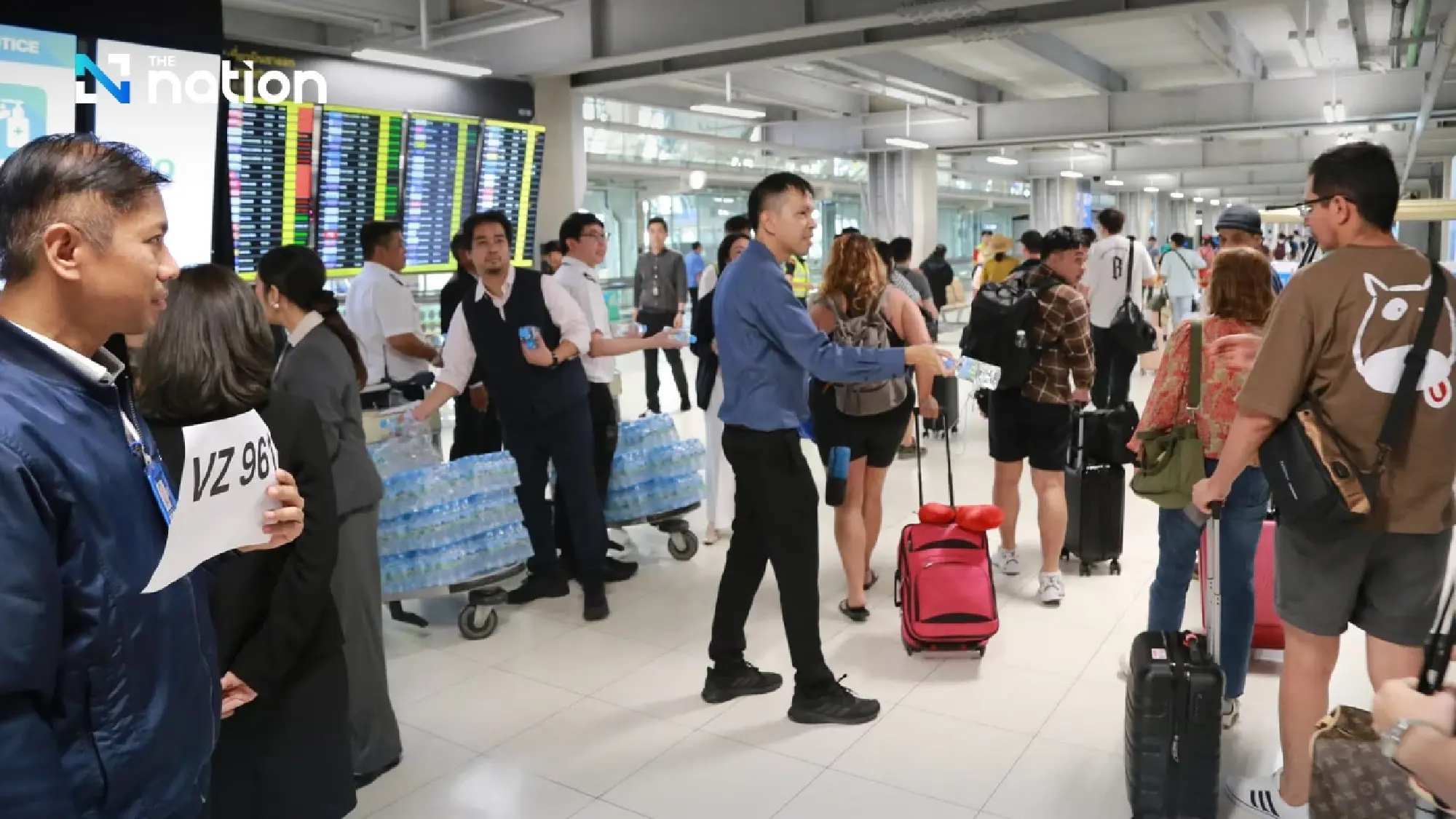

Balancing the Need for Fee Increases
Air Chief Marshal Manat emphasized the importance of finding a balance, especially if AOT needs to increase the PSC to fund airport expansion projects such as the South Terminal construction at Suvarnabhumi Airport. In such cases, AOT might consider reducing other fees, such as aircraft parking fees, to avoid a one-sided increase.
Furthermore, any proposed fee increases must be based on factual data and actual costs, including current and future investment costs like terminal expansions or new construction projects.
CAAT Proposes Fee Increase to 25 Baht
With the increasing number of passengers, it has been estimated that if the fee is raised to 25 baht, it will only cover expenses for the next 3-4 years or break even by 2028. CAAT does not intend to increase the fee significantly in the future, and will revisit the issue later. According to the law, CAAT is allowed to collect fees in 4 categories, but for the past 10 years, CAAT has only been collecting the entry/exit fee for international travel.
Additionally, CAAT has no plans to collect fees for the other 3 categories it is authorized to charge, which include aviation operation fees from air operators using public airports in Thailand, air cargo transport fees from air operators transporting goods, and aviation fuel fees from fuel suppliers or distributors at service points in the country, as these costs may ultimately be passed on to passengers through higher ticket prices.
Therefore, CAAT is focusing on adjusting only the necessary fees, and the consideration for increasing fees must reflect actual costs. Thailand has not increased aviation fees in over 10 years, and compared to countries such as the UK, France, and Singapore, Thailand’s aviation fees are still considered quite low. However, Thailand cannot raise the fees as much as other countries due to the need to consider all stakeholders involved. CAAT must ensure a balance between service providers and consumers to determine if the proposed fees are appropriate, and if an increase is necessary, what the right rate should be, Air Marshal Manat concluded.
AOT Proposes Over 200 Baht Increase in Passenger Service Charge (PSC)
Paweena Jariyathitipong, Managing Director of Airports of Thailand (AOT), stated that AOT has conducted a study to propose an increase in the Passenger Service Charge (PSC) to generate balanced revenue and have enough funds to invest in the development of airport infrastructure. AOT is proposing an increase of more than 200 baht per passenger for international passengers, from the current 730 baht. The exact amount of the increase will depend on the decision of the Civil Aviation Board (CAB).
Currently, AOT is proposing to raise only the PSC. The fees for Transit Travel and landing and parking charges are still under study and will be gradually developed to align with international standards in the future. The increase in the PSC will be calculated according to the standards of the International Civil Aviation Organization (ICAO) and the International Air Transport Association (IATA). At present, Suvarnabhumi Airport charges 730 baht for PSC.
In comparison, Singapore’s Changi Airport charges 1,200 baht for PSC, while other airports worldwide, such as Hong Kong and Narita, generate airport revenue from 3 sources: both inbound and outbound charges, as well as transfer fees. The PSC charges at these airports range from 200 to 600 baht per passenger. AOT has never previously implemented this fee increase.
