
State Takeover: Thailand Eyes Massive Buy-back of Private Rail Concessions
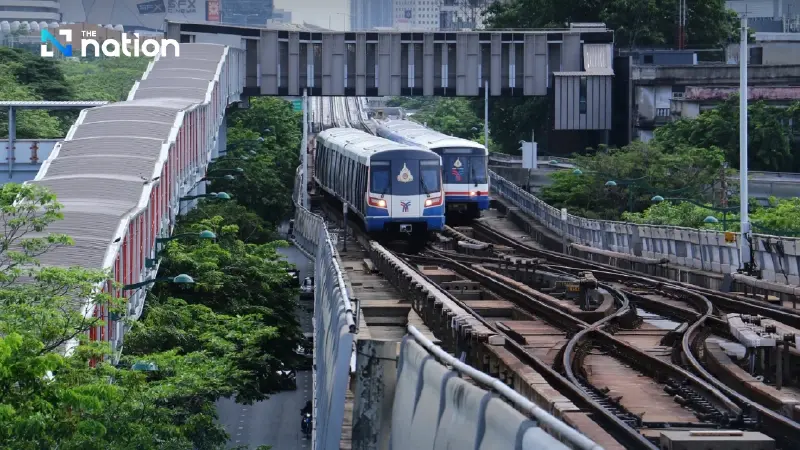


Transport Minister Phiphat Ratchakitprakarn proposes a dual-funding model to nationalise rail lines and introduce a London-style zoning system for fares
- Thailand's Transport Ministry has proposed a plan to buy back private rail concessions to nationalize and consolidate Bangkok's fragmented train network under a single state-owned entity.
- The main objectives of the state takeover are to lower commuting costs, eliminate interchange fees, and implement a unified fare system, including a proposed 40-baht flat fare cap.
- To finance the buy-back, the government is considering a dual-funding model: using the Thailand Future Fund or having private operators secure loans to transfer their own concessions.
Transport Minister Phiphat Ratchakitprakarn proposes a dual-funding model to nationalise rail lines and introduce a London-style zoning system for fares.
The Ministry of Transport has unveiled an ambitious strategy to nationalise Bangkok’s fragmented rail network, proposing a state buy-back of private concessions to establish a "Single Ownership" model.
The plan, championed by Deputy Prime Minister and Transport Minister Phiphat Ratchakitprakarn, aims to consolidate all electric train lines under the management of the Mass Rapid Transit Authority of Thailand (MRTA).
As reported by Thansettakij journalist Ananya Janmalee, the move is designed to slash commuting costs and streamline the city's chaotic fare structures.

A New Fare Reality
The ultimate goal of the takeover is the implementation of a 40-baht flat fare cap for all-day travel.
To ensure financial sustainability, the Ministry is exploring a London-style "Zoning System."
Under this proposal, the capital would be divided into geographical zones, allowing the government to calculate distance-based fares while maintaining an affordable daily ceiling for passengers.

Financing the Buy-back
To avoid a significant blow to the national debt, Phiphat has outlined two innovative financial pathways:
The Thailand Future Fund (TFF): Utilising the existing infrastructure fund to raise the necessary capital, supported by a transparent dividend structure for investors.
Private Debt Transfer: Allowing current private operators to secure loans to buy back their own concessions, effectively shifting the financial burden away from the state without requiring government guarantees.
Breaking the Monopoly
Currently, Bangkok’s rail network is a patchwork of operators, including BTS Group, BEM, and the Bangkok Metropolitan Administration (BMA).
This fragmentation has long been blamed for high "interchange" fees and the lack of a unified ticketing system.
"If I return to lead the Ministry following the upcoming election, I intend to submit this buy-back proposal to the Cabinet within my first 100 days," Phiphat stated, highlighting the urgency of the reform.

Connecting the ‘Last Mile’
The strategy also addresses the "last mile" problem by integrating secondary transport systems.
The Ministry plans to link the rail spine with a modern fleet of electric "feeder" buses.
The Bangkok Mass Transit Authority (BMTA) is already moving forward with tenders to lease electric buses, which will replace the city's ageing, non-air-conditioned fleet and provide a seamless, integrated travel experience.
