
Thailand Fast-Tracks Green Energy and Infrastructure to Lure Global Investors
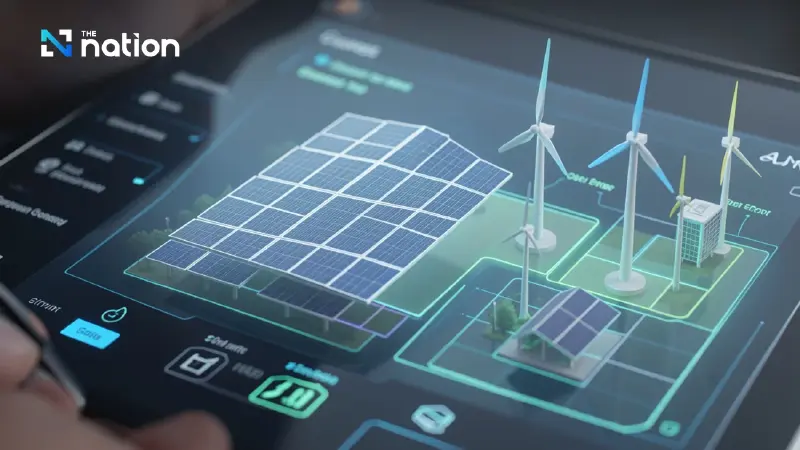


The Thai government accelerates Direct PPA and infrastructure upgrades to secure its position as a resilient hub for high-tech and green industries
- The Thai government is expanding its "Thailand FastPass" scheme to expedite permitting and regulatory support for major investment projects in high-tech and green industries.
- To meet the demands of large-scale industrial users, the country is overhauling its energy infrastructure by synchronizing grid expansion with private sector needs and refining electricity guarantees.
- Key green energy initiatives are being advanced, including finalizing Direct Power Purchase Agreements (PPAs), launching green utility tariffs, and relaxing regulations for solar rooftop installations.
The Thai government accelerates Direct PPA and infrastructure upgrades to secure its position as a resilient hub for high-tech and green industries.
The Thai government is significantly ramping up its national energy infrastructure and streamlining investment protocols to capitalise on a new wave of global digital and clean energy interest.
Government spokesperson Ratchada Thanadirek stated that despite the current volatility in the global economy, Thailand remains a "highly resilient" emerging market. She attributed this sustained investor confidence to the nation’s stable policy framework and robust international reserves.
Under the leadership of Prime Minister Anutin Charnvirakul, the administration is now pivoting to ensure the country’s physical and regulatory infrastructure is "future-proof."
The Board of Investment (BOI) has recently greenlit six major projects worth more than 958 billion THB. To ensure these commitments translate into ground-breaking activity quickly, the government has expanded its "Thailand FastPass" scheme.
Nine additional projects have been admitted into Phase 2 of the fast-track system. This brings the total number of projects receiving expedited permitting and regulatory support to 25, representing a total investment value exceeding 223 billion THB.
Recognising that high-tech industries—such as data centres and advanced manufacturing—require immense and reliable power supplies, the government is overhauling its energy strategy.
The Energy Regulatory Commission (ERC) is currently refining electricity guarantee measures specifically for large-scale industrial users.
Furthermore, the Provincial Electricity Authority (PEA) and the Metropolitan Electricity Authority (MEA) are synchronising grid expansion plans directly with the projected energy needs of the private sector.

The Ministry of Energy is also revisiting its Power Development Plan (PDP), exploring the refurbishment of decommissioned power plants to bolster capacity while integrating smart-grid technologies.
A central pillar of this new economic push is the transition to "green business." The government is moving forward with several key initiatives:
Direct PPAs: Service rates for Direct Power Purchase Agreements have been finalised and are pending final approval from the National Energy Policy Council.
Green Utility Tariffs: The MEA and PEA officially launched the UGT2 green electricity rates on 30 April 2026, allowing firms to verify their carbon-reduction targets.
Solar Liberalisation: Regulations regarding solar rooftop installations are being relaxed to allow businesses greater flexibility in generating their own renewable energy.
"We are not just facilitating investment in the short term," Ratchada said. "We are building the foundation for the industries of the future."
