
Thailand opens rooftop solar vendor registration for 500,000 homes
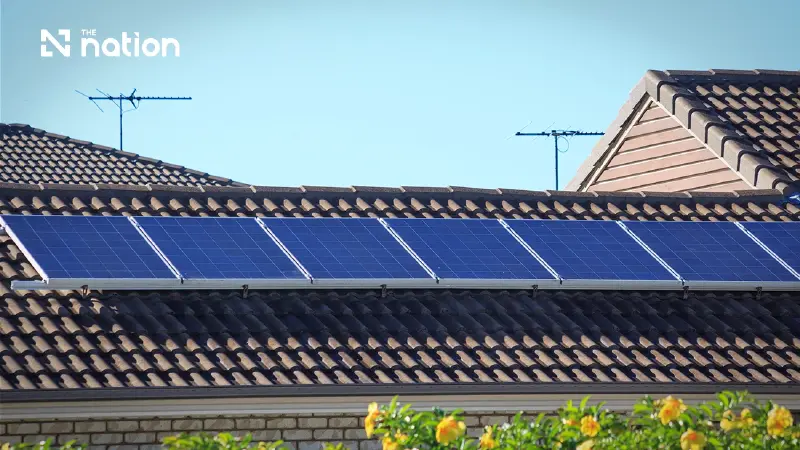


Thailand opens registration for rooftop solar installers and equipment until September 30, aiming to raise safety standards and support 500,000 homes.
- Thailand has opened registration from August 3 to September 30 for businesses that install rooftop solar systems and supply approved equipment.
- The program's initial target is to support solar installations in 500,000 households to help lower electricity bills and increase clean energy use.
- A primary goal of the registration is to enforce high safety and quality standards for both installers and equipment, which must meet specific national and international requirements.
- The government is also developing financial support measures to help homeowners afford the cost of installation as part of its energy transition policy.
Thailand has opened registration for businesses installing rooftop solar power systems and for approved equipment from August 3 to September 30, as it seeks to strengthen safety standards and prepare for wider household adoption nationwide under its clean-energy transition policy.
Deputy Government Spokesperson Lalida Persvivatana explained that the initiative forms part of a policy led by Prime Minister and Interior Minister Anutin Charnvirakul to prepare for the expansion of rooftop solar in the residential sector.
The Metropolitan Electricity Authority (MEA) and Provincial Electricity Authority (PEA) are accepting vendor applications and registrations for key equipment, including solar panels and inverters.
Businesses must meet the eligibility criteria set by the two electricity authorities, while equipment must comply with recognised requirements, including International Electrotechnical Commission standards and Thai Industrial Standards.

The government is also developing financial support measures for rooftop solar installations under the 2026 Emergency Decree authorising the Finance Ministry to borrow funds to address the effects of the energy crisis and advance Thailand’s energy transition.
The initial target is to support installations in 500,000 households, helping to lower electricity bills and increase the use of clean energy.
Lalida stressed that safety would take priority, with businesses, engineers, installation technicians and all equipment required to meet the prescribed standards. The systems must be of high quality, safe and efficient, with a service life of at least 20 years.

The MEA and PEA will jointly oversee installation standards and after-sales services, enabling households to choose certified providers and inspected equipment that meet the same requirements nationwide.
Interested businesses may apply at MEA and PEA branches across the country. The government expects stronger installation standards to improve public confidence, reduce electricity costs and reinforce Thailand’s long-term energy security.
