
Lt Gen Adul warns this is the last chance for Thailand and Cambodia — comply with the 4-point accord or face consequences
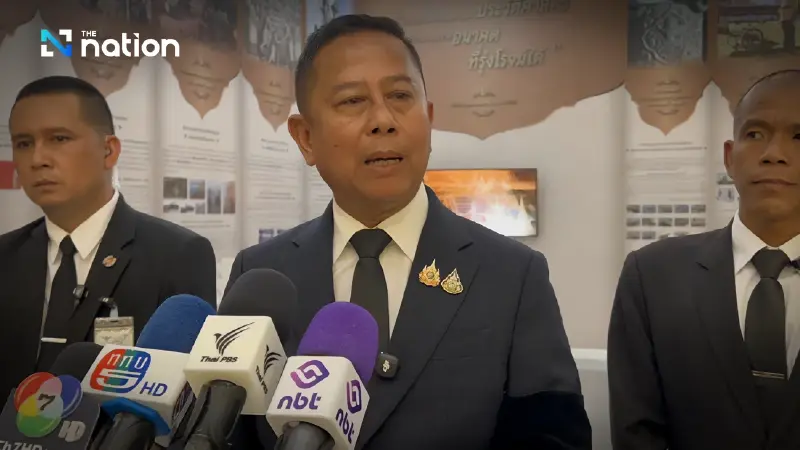


Deputy Defence Minister Lt Gen Adul Boonthamcharoen warns Thailand–Cambodia talks mark the last chance to follow the four-point arms-withdrawal deal signed by both sides
On October 31, 2025, Lt Gen Adul Boonthamcharoen, deputy defence minister, warned that the current Thai–Cambodian negotiations were the “last opportunity” for both sides to follow through on their four-point agreement, saying that if they failed to act, “just wait and see what happens.” He confirmed that the withdrawal includes heavy weapons together with their gunners but excludes main combat troops, admitting that the army is facing challenges on multiple fronts.
Lt Gen Adul said that the Second Army Region of Thailand met with Cambodia’s Military Region 4 as part of the implementation of the Thai–Cambodian government agreement signed earlier by the prime minister and defence minister within the framework of bilateral cooperation.
The army, he said, had assigned the Second Army Region to discuss four key issues, particularly the relocation of high-destructive-power weapons, to be carried out in three phases. The first phase will involve withdrawing rocket systems and artillery of 155 mm calibre and above within 21 days, under inspection by representatives from both sides or ASEAN Observer Teams (AOT). These observers will verify whether the commitments are being met, and full details will later be published showing what has been withdrawn. “Please trust that the military is following the plan,” Adul said. “If you don’t believe it, I don’t know what else to say.”
When asked about public scepticism toward Cambodia’s sincerity, Lt Gen Adul replied, “You have to believe — this is the last chance for us to talk. If we can’t act after talks at this level, there’s no other way forward.”
Asked what would happen if Cambodia failed to comply, he said, “Wait and see. I don’t know what will happen. The matter has already been discussed at the government level down to the army-region commanders. Phase 2 will withdraw lower-impact weapons, and Phase 3 will cover tank withdrawal, with numbers and procedures still under discussion with the Second Army commander.”
The deputy defence minister reaffirmed that there would be no reopening of Thai–Cambodian border checkpoints, assuring the public not to worry. After the withdrawal, both sides will jointly assess whether hostilities have truly ended, paving the way for lasting peace and cooperation along the border.
When asked whether troop levels would also be reduced, Lt Gen Adul said, “Heavy weapons have gunners. If the weapons are withdrawn, personnel must also be reduced — they go together. But this doesn’t include core combat units like cavalry or infantry.” He added that the transport of large military equipment must follow proper administrative procedures. “If we don’t follow regulations, people will say we’re hiding something. If military transport isn’t sufficient, private contractors will be hired,” he explained.
Asked about the army facing both external and domestic pressures, Lt Gen Adul replied with a wry smile, “Being a soldier is a karmic profession.”
