
Post-Election Timeline: New Government Expected by Mid-June 2026
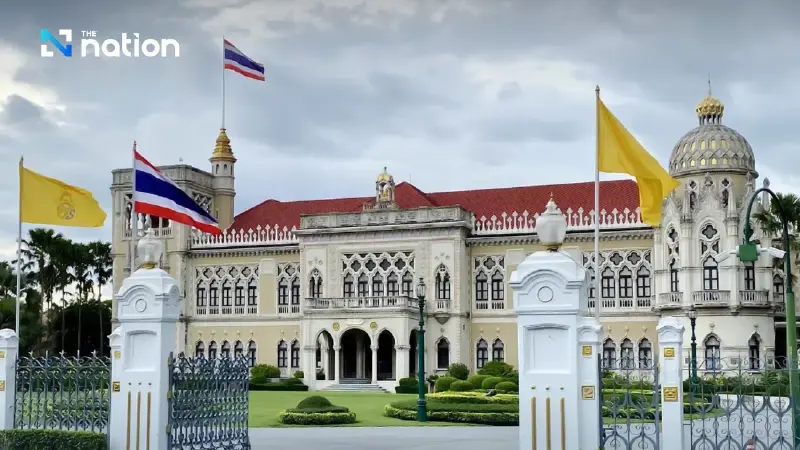


Thailand's new government expected by mid-June 2026, with key steps including MPs' certification, Speaker election, and Cabinet formation
- After the general election on February 8, 2026, the Election Commission (EC) will have 60 days (until April 9, 2026) to certify the results of at least 95% of the members of parliament (MPs) to meet the criteria for the opening of Parliament.
- The first parliamentary session to elect the Speaker of the House is expected to take place in April 2026, followed by a vote for the Prime Minister in early May 2026.
- The process of forming the Cabinet, the swearing-in ceremony, and the policy statement will take until mid-June 2026, when the new government is expected to fully take office.
The general election on February 8, 2026, is not only about citizens exercising their voting rights but marks the “beginning of the transfer of state power” from the incumbent government to the “new government” through mechanisms outlined in the 2017 Constitution and the 2018 Election of Members of Parliament Act.
While this process may appear to be a series of legal steps, it is, in practice, full of political variables, negotiations, scrutiny, and risks from election disputes. These factors may cause the government formation process to be “quicker or slower” than anticipated.
"Thansettakij" has compiled and organised the post-election timeline from the closing of the election ballots on February 8, 2026, including the certification of results, the opening of Parliament, the selection of the Prime Minister, and the establishment of the new government by mid-June, to reflect the crucial transition of state power at this critical moment for the country.
First Step: EC Certifies MPs’ Results
February – April 2026:
After the election ballot is closed, the responsibility falls to the Election Commission (EC) to ensure the integrity and fairness of the election in all constituencies across the country.
By law, the EC must announce the official election results within 60 days from the election date, meaning the certification must be completed by April 9, 2026. An important condition is that the EC must confirm the results for at least 95% of MPs (475 out of 500).
This 95% threshold is not just a technical criterion but is the “key to opening the door” for Parliament’s first meeting. If the results do not meet this threshold, the parliamentary session cannot open, and the process of electing the Prime Minister cannot proceed.
After the results are certified, the newly elected MPs will report to the EC, which is expected to take place between April 10 and 16, 2026, an important step before the first parliamentary session is convened.
Opening of Parliament: The Speaker Election
April 2026:
The Constitution mandates that the first meeting of Parliament must be called within 15 days of the election result announcement, which is expected to happen after the Songkran Festival in April 2026.
The first parliamentary session is not just a ceremonial opening. It will serve as the first stage for “power negotiations,” as MPs elect the Speaker of the House and Deputy Speakers.
The position of Speaker is politically significant, as the person holding this position controls the proceedings, sets the agenda, and signs off on crucial processes, including proposing the Prime Minister to the King for royal approval.
The result of the Speaker election often reflects the majority’s strength and the direction in which the government will be formed.
Critical Step: Electing the Prime Minister
May 2026:
Once Parliament is established, the next critical step is the election of the Prime Minister, which is expected to take place in early May 2026.
According to Article 160 of the Constitution, and related provisions, the nominated Prime Minister must:
- Meet the constitutional qualifications
- Be on the list of candidates proposed by a political party
- The proposing party must have at least 5% of the MPs (25 out of 500 MPs)
This step is not just about counting votes in Parliament but is the conclusion of government formation negotiations, determining which party or coalition can muster enough support to control the executive branch.
Forming the Cabinet and Policy Statement
May – June 2026:
After the Prime Minister is elected, the next step is forming the Cabinet. This process involves scrutinising the qualifications of ministers, which is expected to take 2-3 weeks.
Once the Cabinet members are appointed by royal decree, they must take an oath of office before officially assuming their duties. Following this, the government is required to present its policy statement to Parliament within 15 days.
The policy statement is a declaration of the government’s “policy direction” to the public and marks the point at which the new government can begin exercising full authority.
New Government in Power by June 2026
According to the timeline, if all steps proceed without political obstacles, Thailand should have a fully functioning new government by mid-June 2026, ready to govern the country.
This period will mark a significant turning point, not only politically but also economically, as the government will begin working on the national budget, rebuilding investor confidence, and implementing urgent policies for the country's recovery.
The key question that society must watch is whether this transfer of power will proceed smoothly and whether the new government can turn the “vote of the people” into policies that genuinely address the needs of the citizens and the country.
