
NACC defends Saksayam decision amid backlash over credibility
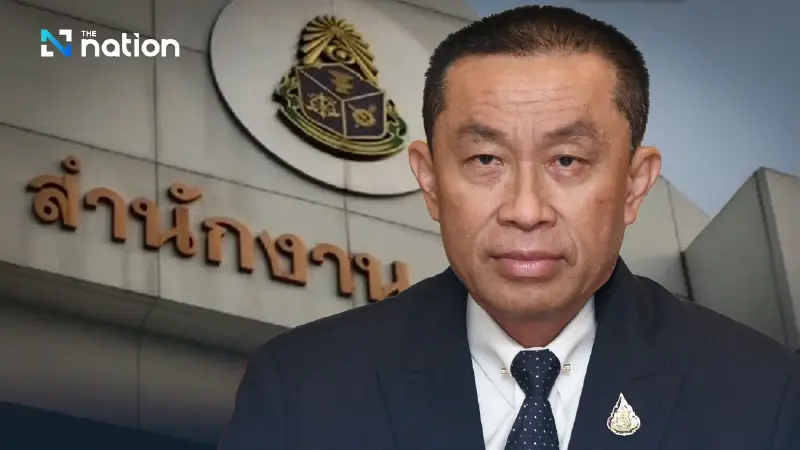


Thailand’s anti-graft agency has defended its Saksayam decision after criticism from Abhisit Vejjajiva and fresh questions over whether the ruling conflicts with the Constitutional Court.
Thailand’s anti-graft agency moved on Thursday to defend its decision in the Saksayam Chidchob case after a political backlash over whether it had applied a different standard from the Constitutional Court.
In a clarification issued by Office of the NACC spokesperson Surapong Intharawan, the agency said its findings on Saksayam’s asset declaration concerned a different legal issue from the Constitutional Court ruling that ended his status as transport minister.
The clarification came after Democrat Party leader Abhisit Vejjajiva publicly pressed the NACC to explain its handling of the case, saying the issue affected the agency’s credibility and stressing that “the Constitutional Court’s rulings bind all organisations”. He questioned why, if the NACC chose to focus on Saksayam’s intent, the former minister had still failed to submit an accurate asset declaration.

NACC says asset case is separate from court ruling
The NACC said Saksayam had filed six statements of assets and liabilities while serving as an MP and as transport minister, and that none of them listed an investment in Burijarearn Construction Limited Partnership.
It noted that the Constitutional Court ruled on January 17, 2024 that THB119.5 million used through “Mr S.” to buy mutual funds and ultimately pay for the partnership stake still belonged to Saksayam, meaning he remained a partner or shareholder through another person in breach of Section 187 of the Constitution. On that basis, the court held that his ministership ended personally under Section 170 paragraph one (5).
But the anti-graft agency said that legal conclusion did not automatically prove deliberate false filing. It said the omission of the Burijarearn stake from Saksayam’s asset declarations “cannot yet be regarded” as an intentional false declaration or concealment of facts, adding that its decision dealt with a separate factual question from the Constitutional Court’s ruling and therefore did not conflict with it. The NACC also said it had already taken the Constitutional Court judgment into account before reaching its own conclusion.

The agency said Saksayam had explained, when filing after leaving his second term as an MP on January 17, 2024, that Mr S. disputed ownership of the partnership interest, refused to comply with the Constitutional Court ruling and objected to the asset being listed in the declaration. According to the NACC, Saksayam then sued Mr S. in the Nonthaburi Provincial Court to compel the transfer of the THB119.5 million partnership rights and to change the managing-partner registration.
Share dispute and settlement form core of defence
The NACC said registry records from the Department of Business Development showed Saksayam had transferred THB119,499,000 in partnership investment rights to Mr S. on January 26, 2018, with the change registered on February 6, 2018, before Saksayam was required to file any of the declarations in question. It added that no evidence showed he had gone back to manage or become involved in the partnership’s business after that transfer, which, in the agency’s view, supported the argument that he believed the transfer had been lawfully completed.
The NACC also detailed a later settlement between Saksayam and Mr S. on June 5, 2025 before the Court of Appeal Region 1. Under that compromise, Saksayam accepted that Mr S. was the lawful holder of the THB119.5 million stake and that Mr S. would remain the managing partner of Burijarearn Construction. To settle the dispute, Mr S. agreed to buy 19 plots of Saksayam’s land, covering 323 rai and 373 square wah, for THB51,505,267.50, with payment due by July 4, 2025 and transfer by July 9, 2025. Both sides also agreed to waive any further civil or criminal claims against each other.
Following that settlement, the NACC said, Saksayam asked on July 9, 2025 to update all of his asset and liability declarations and filed additional documents covering the land sale and payment. It said the commission later reviewed the case on September 8, 2025 and found that the declared assets and liabilities were accurate, genuinely existed and showed no irregularities, leading to public disclosure under Section 111 of the Organic Act on Anti-Corruption.
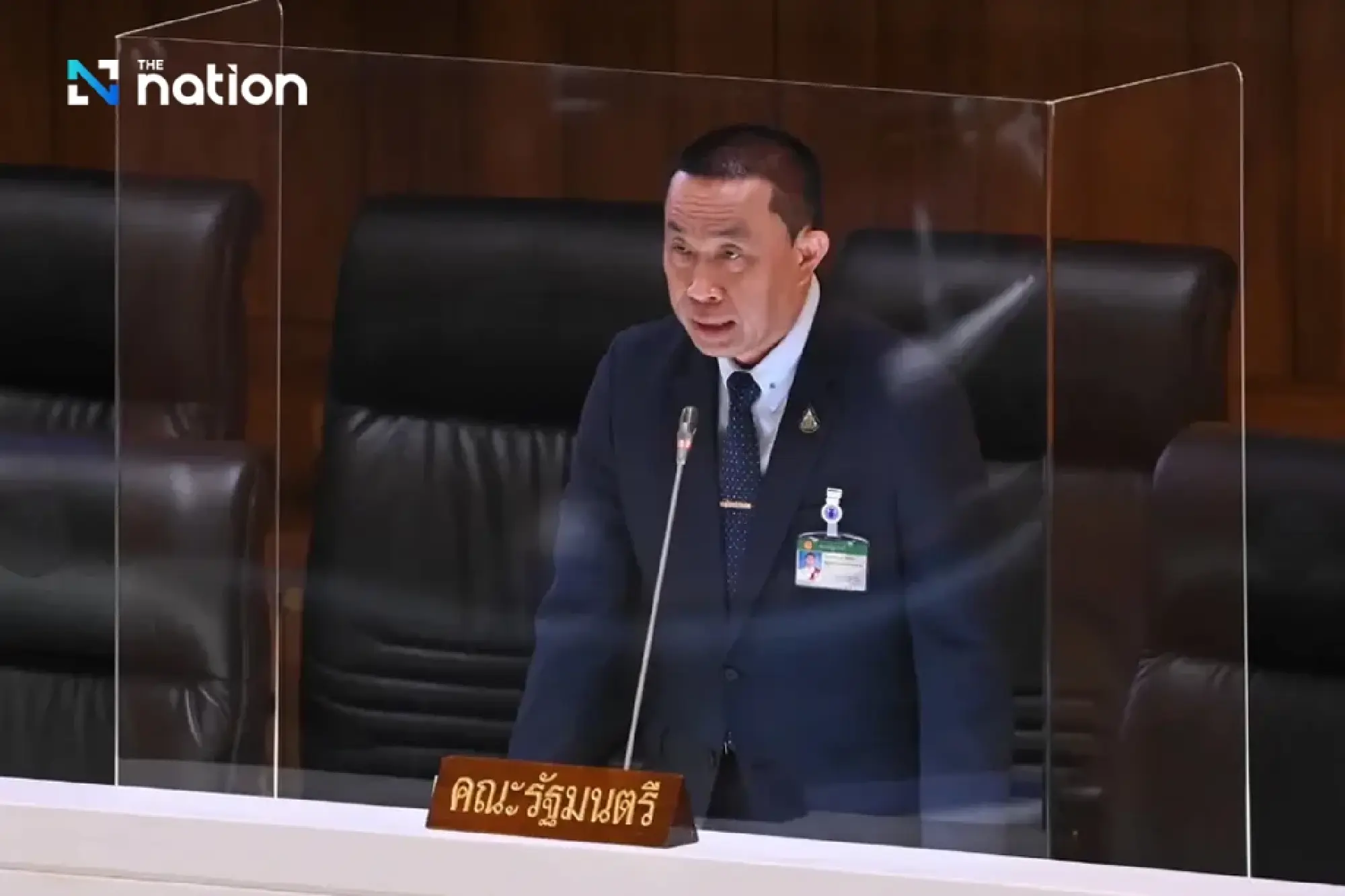

No evidence found of procurement interference
In a separate complaint over alleged abuse of office while Saksayam was transport minister, the NACC said it had gathered evidence from 25 witnesses and sought information from the Ministry of Transport, the Department of Highways, the Department of Rural Roads, the Department of Business Development, the Election Commission Office, the State Audit Office and TMBThanachart Bank, as well as the Constitutional Court ruling. It said the evidence did not show that Saksayam had directly used his authority to benefit Burijarearn Construction or interfered in procurement by agencies under the ministry.
The agency said procurement approval powers rest with heads of government departments rather than the minister, and that Burijarearn Construction averaged 27 contracts a year with the transport ministry before and during Saksayam’s tenure, a level it said was not abnormally higher than before he took office. Witnesses also told investigators that bids from 2019 to 2023 were submitted through the normal state e-bidding system, while the partnership’s profits had already risen above THB10 million a year from 2016 after a capital increase in 2015, years before Saksayam became transport minister. The NACC added that the State Audit Office had not reported procurement complaints involving improper intervention on his behalf.
The only part of the matter still open, according to the NACC, is the complaint over whether Saksayam committed a serious breach of ethical standards. That case, it said, remains under preliminary examination.
