
Thaksin parole puts former Thai leaders’ detention history in focus
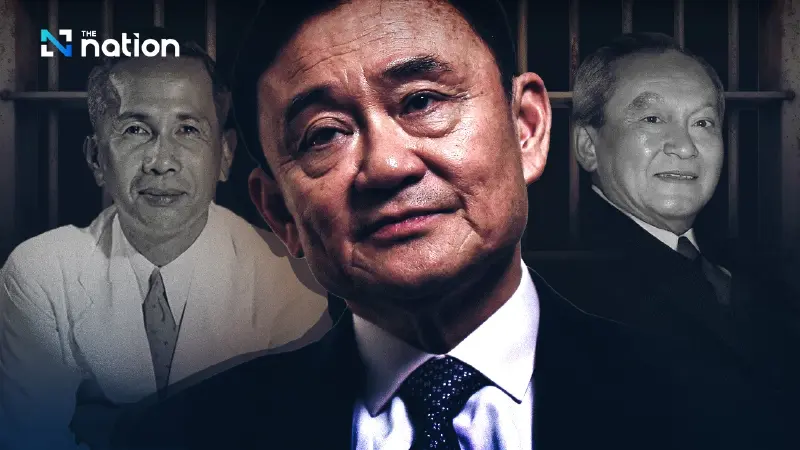


With Thaksin Shinawatra set for release on parole, Nation TV revisits former Thai leaders who faced prison, detention or court rulings.
- Thaksin Shinawatra is considered the first former Thai prime minister to serve a prison sentence as a convicted "prisoner" under a final court judgment.
- The article contrasts Thaksin's case with historical precedents, such as Field Marshal Plaek Phibunsongkhram, who was jailed as an "accused person" after WWII but was later acquitted.
- Another former leader, Gen Chatichai Choonhavan, experienced a different form of detention when he was held by a military coup group rather than by a court order.
- The case of Yingluck Shinawatra is also noted; she was sentenced to prison by the Supreme Court but avoided detention by fleeing the country.
The issue has become one that political circles are recalling once again.
Former Prime Minister Thaksin Shinawatra was poised to regain his freedom after meeting parole conditions on Thursday (May 7, 2026), with preparations for him to leave Klong Prem Central Prison for his residence in the Charan Sanit Wong area on Monday (May 11, 2026).
The development raised a question: in the pages of Thai political history, which leaders have come close to prison, come close to detention, or actually ended up behind bars, even though the political contexts differed? Nation TV looks back to find the answer.

Field Marshal Plaek Phibunsongkhram: The first prime minister jailed
Looking back to the period after the Second World War, in 1945, Field Marshal Plaek Phibunsongkhram was arrested as a “war criminal” after Thailand joined Japan on the Axis side.
He was detained at Klong Prem Central Prison for a little over five months while awaiting proceedings under the War Criminals Act.
However, the Supreme Court ruled that the Act could not be applied retroactively under the principles of criminal law, leading to Field Marshal Plaek Phibunsongkhram’s acquittal and release.
He later returned to political power.
It may therefore be said that Field Marshal Plaek Phibunsongkhram was jailed as an “accused person”, but not as a “convicted prisoner under a final judgement”, as the court ultimately dismissed the case.


Gen Chatichai Choonhavan: When freedom was restricted by a coup group
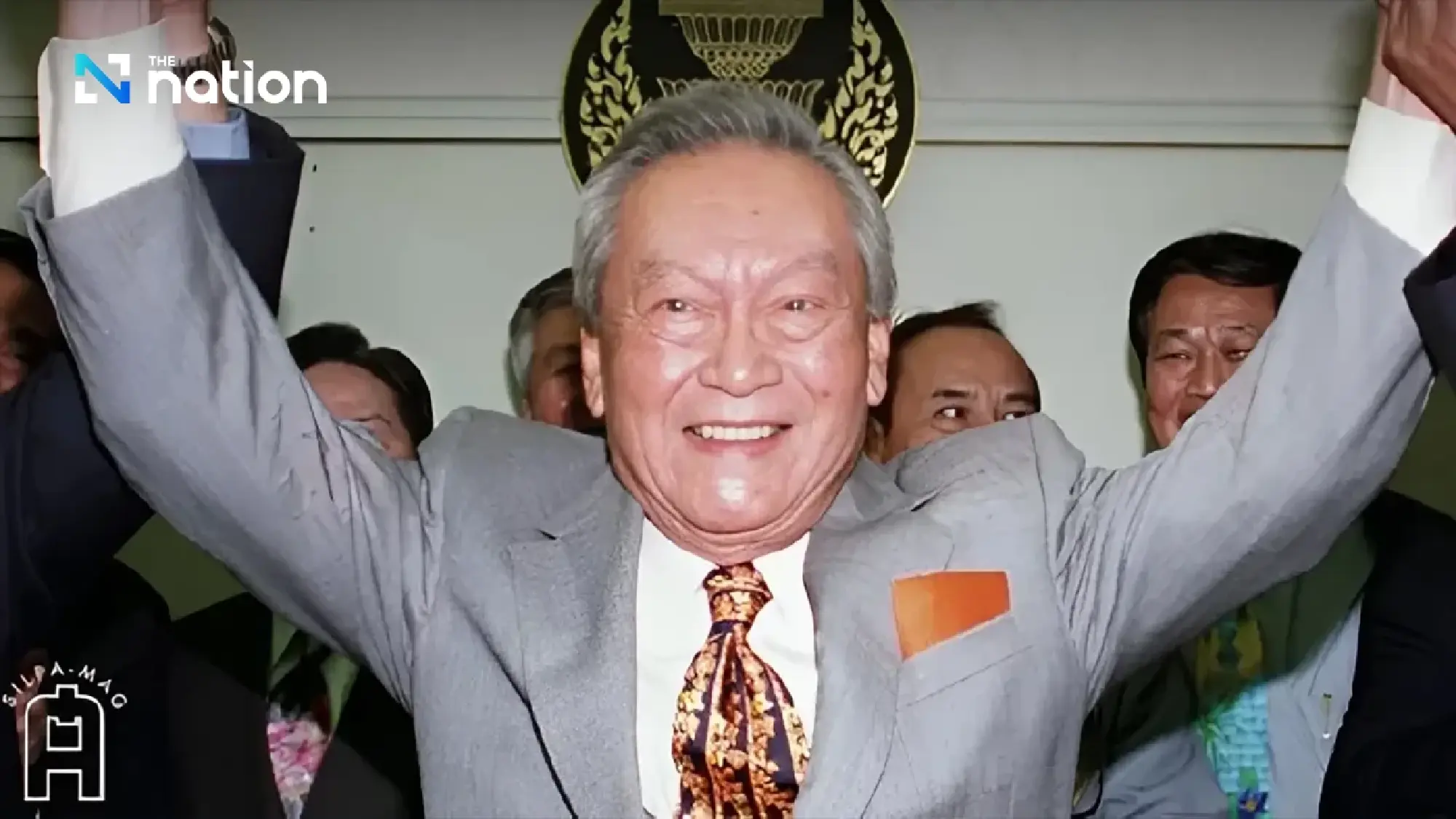
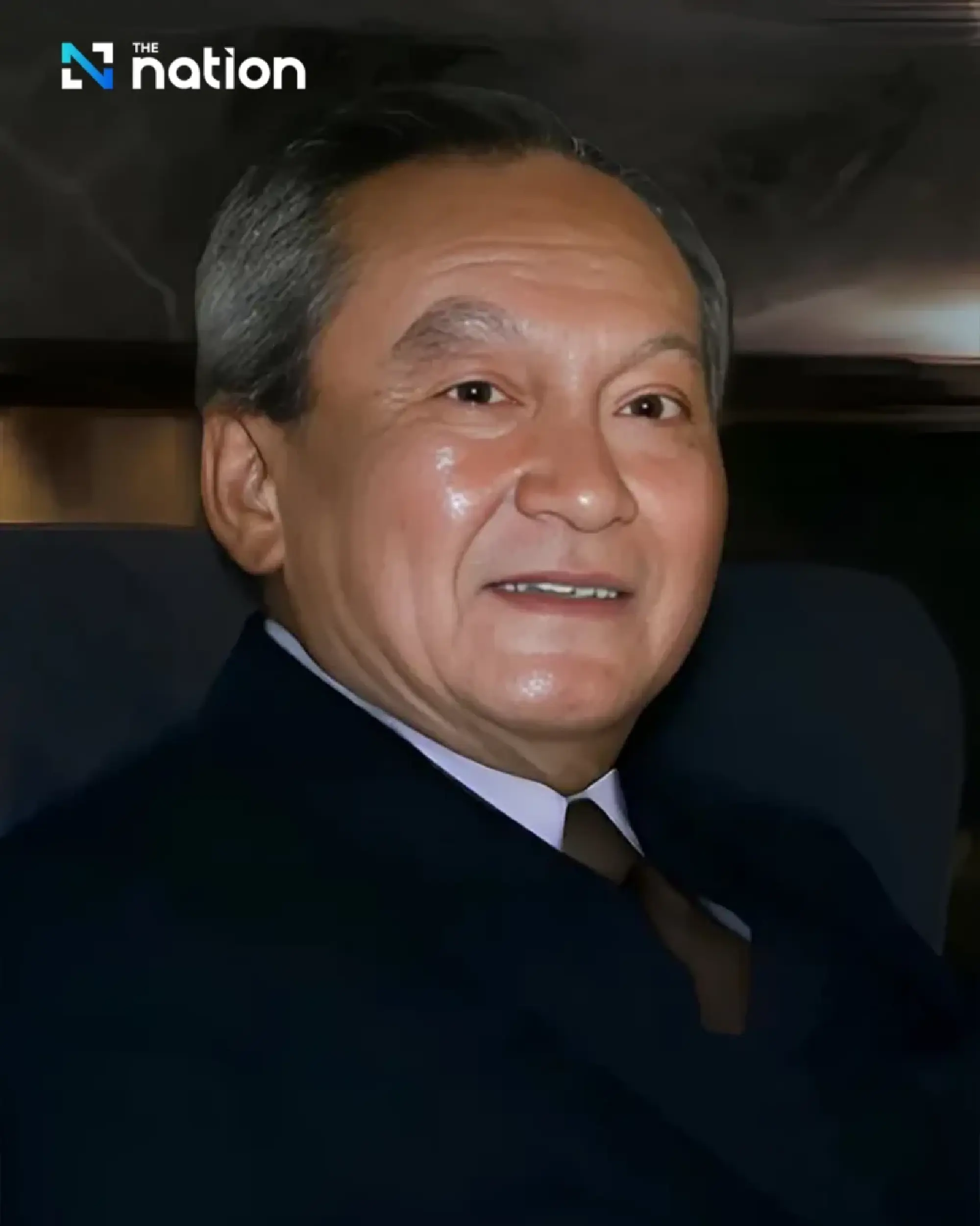
Another case was General Chatichai Choonhavan, a former prime minister, who was held not by court order but under an order of the National Peace Keeping Council (NPKC) on Saturday (February 23, 1991).
While serving as prime minister, General Chatichai was taken into custody, or detained for a period, by the coup group led by General Sunthorn Kongsompong before he was allowed to travel to England to stay there.
The case of General Chatichai was, therefore, more a restriction of liberty by the military than that of a prisoner in a criminal case.


Thaksin Shinawatra: the first former prime minister to serve a sentence as a “prisoner”
For this reason, the case of Thaksin Shinawatra is regarded as the first involving a former prime minister sentenced to imprisonment by the Supreme Court as an official “prisoner” in Thai political history.
Red camp leaders: The path out of office through Constitutional Court rulings
In addition, several other former leaders were removed from office by rulings of the Constitutional Court.
They include Samak Sundaravej, who was removed over a case involving hosting a televised cooking programme; Somchai Wongsawat, who lost office following the dissolution of the People Power Party; Srettha Thavisin, who was removed over a case involving a lack of manifest integrity qualifications; and Paetongtarn Shinawatra, who was removed over a case involving a serious breach of ethical standards.
Yingluck Shinawatra, meanwhile, was sentenced by the Supreme Court’s Criminal Division for Persons Holding Political Positions to five years in prison in the rice-pledging case.
She fled abroad and remains overseas at present.
