
Chadchart outlines first tasks after Bangkok election certified


Chadchart says he will begin work immediately, drive 261 projects under a 100-day strategy and address floods, PM2.5, transparency and complaints.
- Chadchart will immediately begin work on a 100-day strategic plan that includes 261 projects with clear timelines and progress indicators.
- His administration will prioritize and speed up action on urgent issues, specifically flooding, PM2.5 air pollution, and ensuring administrative transparency.
- On his first day, he will call a meeting of BMA executives to clear the backlog of pending work and will begin examining all complaints raised during the campaign.
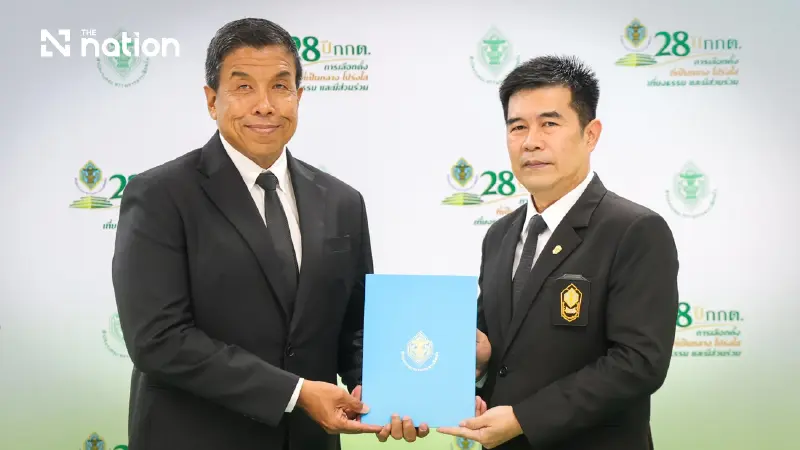
Chadchart Sittipunt formally received the certificate confirming his election as Bangkok governor, together with members of the Bangkok Metropolitan Council (BMC), in a lively atmosphere.
He then announced that he would begin work immediately, preparing to drive a 100-day strategic plan covering 261 projects, speed up action on flooding, PM2.5 dust and transparency in administration, examine every complaint raised during the campaign and call a meeting of Bangkok Metropolitan Administration (BMA) executives in the afternoon to clear work left pending during the political vacuum.
EC hands certificates to the governor and BMC members, totalling 51
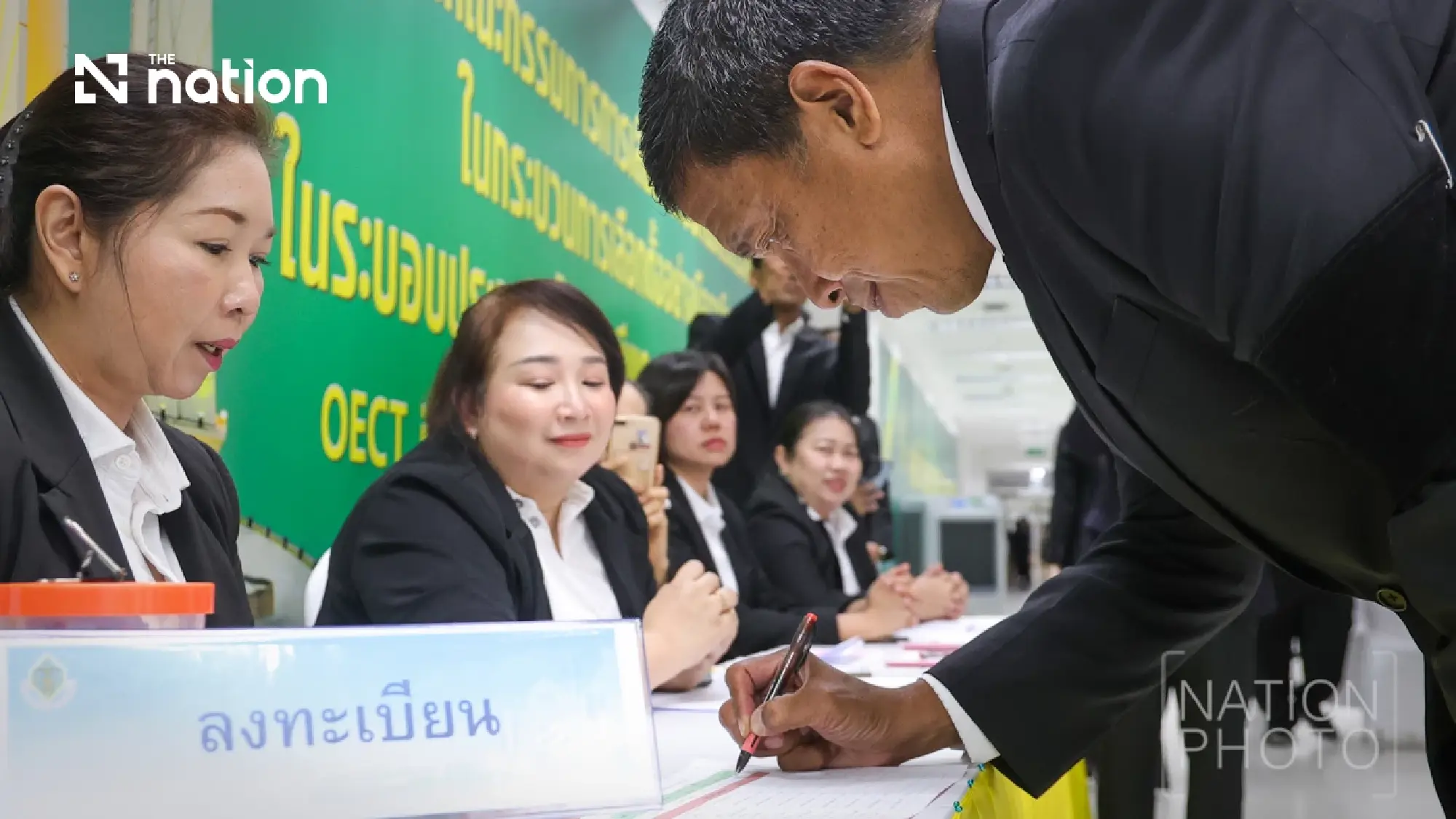
Chadchart and members of the Bangkok Metropolitan Council (BMC) received election certificates from the Election Commission (EC) on Thursday (July 9, 2026), after the EC resolved to certify the election results on Tuesday (July 7, 2026).

Acting Sub Lt Samphan Saengkhamloet, director of elections for Bangkok, personally handed the notice of election result to Chadchart and BMC members.
The atmosphere was warm, with councillors from several areas offering congratulations, greeting one another and taking photos together.
The EC Office had invited all elected candidates for the positions of Bangkok governor and BMC member, totalling 51 people, to receive their election certificates from 9am so they could use the documents to report for duty and formally begin work.



Chadchart is ready to begin immediately, thanks to EC for the swift certification
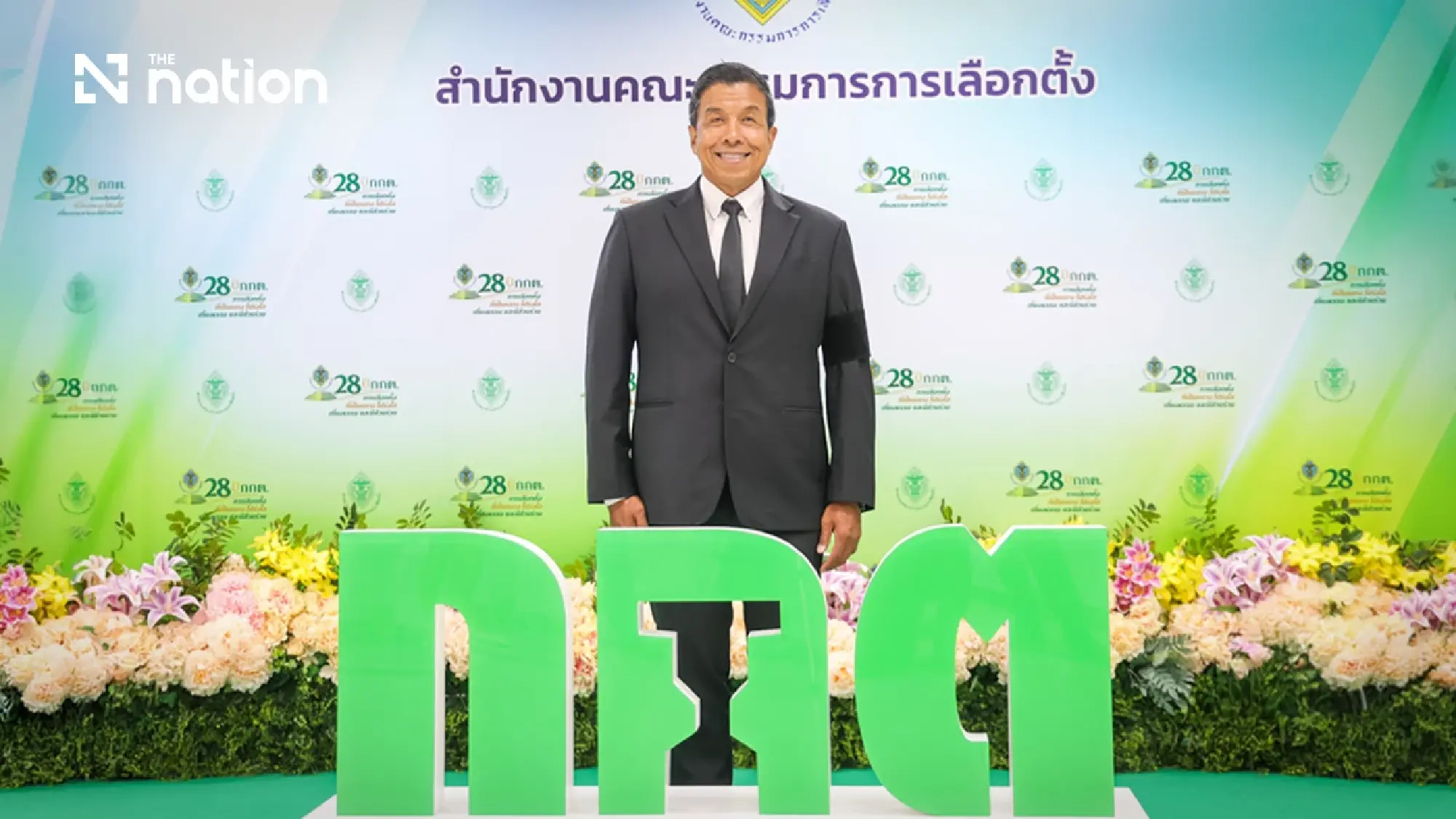
After receiving the certificate, Chadchart said he was pleased to return to serving the public.
He thanked the EC for certifying the election results quickly and efficiently, allowing the administration to move forward immediately because several important tasks were still waiting to be carried out.
100-day plan to push 261 projects with performance indicators
On the 100-day strategic plan, Chadchart said all roughly 261 prepared projects would be turned into a clear strategic plan, with timelines and progress indicators set for each project so that results could be monitored in concrete terms.
The plan covers infrastructure, urban economic development, improvements to quality of life and efforts to strengthen transparency in BMA governance.
Flooding and PM2.5 dust high on first agenda
Chadchart confirmed that all issues raised during the campaign would be followed up on and examined, including complaints about sexual harassment within agencies, the procurement of electric treadmills, migrant labour issues and waste management, so that every matter would be reviewed transparently and fairly.
The new Bangkok governor said that during the period when he was not in office, several problems had arisen and solutions would have to be reviewed.
These included matters directly affecting the public, particularly flooding and PM2.5 dust, which he described as urgent tasks for the early stage of the administration.
He also plans to speed up work on drainage tunnel problems, the management of the On Nut waste disposal site and the upgrading of Bangkok’s environmental management system.
Reaffirms transparency, rejects money claims in transfers
On transparency, Chadchart confirmed that the previous administrative approach had been on the right track.
He stressed again that in allegations involving personnel transfers and appointments, there had never been any demand for benefits or payment of money, adding that he had explained the matter throughout.
Orders survey of old buildings amid drainage concerns
Chadchart also addressed infrastructure problems in the old city area, particularly electrical system construction, which could affect existing structures and old drainage lines.
He has ordered relevant agencies to urgently compile information on buildings and shophouses aged more than 45 to 50 years to create a database, inspect structural stability and assess long-term impacts on Bangkok’s public utility systems.
Ready to work with BMC members from all sides
On working with BMC members, Chadchart said the approach would remain the same: respect, listen to opinions and work with every councillor because all of them had also been entrusted by the public.
Budget and project consideration will put the public interest first, while proposals from every area will be accepted without dividing sides.
Call an immediate meeting of BMA executives to clear the backlog
Chadchart said he would call the first meeting of BMA executives in the afternoon of the same day to urgently follow up on work left pending during the vacuum between elections.
Key issues to be discussed include pushing the policy of disclosing information, reviewing unresolved problems and considering policy proposals previously raised by other candidates for possible adjustment into Bangkok’s administrative plan if they benefit the public.
The Bangkok governor stressed that the administration would operate with transparency, disclose information and have nothing to hide, while moving ahead with work immediately after formally receiving the certificate.
