
IOC bars trans women from female events from LA 2028
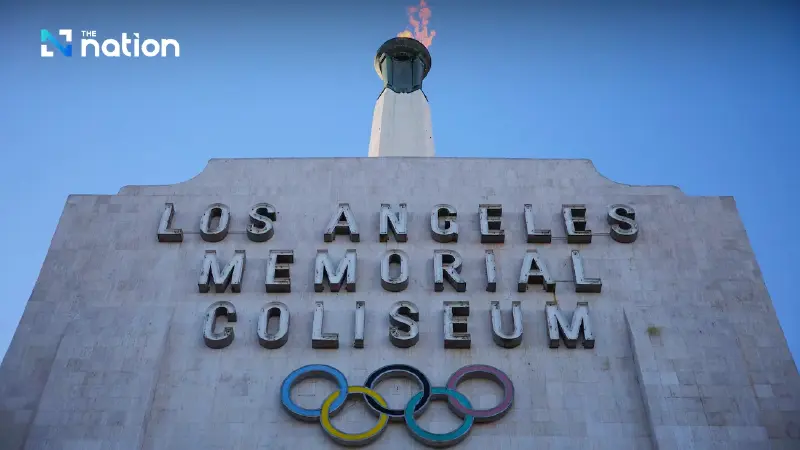


The IOC has formally barred transgender women and many athletes with differences of sex development from women’s events from the 2028 Los Angeles Olympics onward
The International Olympic Committee (IOC) has set a new benchmark for global sport by formally barring transgender women and many athletes with differences of sex development (DSD) from competing in the women’s category at the Los Angeles 2028 Summer Olympics and future IOC events.
IOC president Kirsty Coventry said the decision was grounded in science, arguing that it is unfair for athletes who have undergone male puberty to compete in the female category. She said the policy is intended to protect both the safety of women athletes and fairness in competition.
One-time SRY gene screening (Sex-determining Region Y gene)
Under the new policy, athletes seeking to compete in the women’s category at IOC events will be required to undergo SRY gene screening to determine eligibility. The screening is intended to detect the presence or absence of the SRY gene and may be carried out using non-invasive methods such as cheek swabs or saliva samples. The IOC says this will generally be a once-in-a-lifetime test.
Claimed physiological advantages
In a 10-page policy document, the IOC set out what it described as the competitive advantages retained by athletes who have undergone male puberty. It said men hold a performance advantage of around 10–12% in running and swimming, up to 20% in field events such as throwing and jumping, and potentially more than 100% in contact sports and weightlifting.
The IOC said transgender athletes and many athletes with differences of sex development (DSD) typically have XY chromosomes, testes and testosterone levels in the male range, and that the body can use this hormone to develop muscle mass throughout an athlete’s life. It argued that maintaining a female category based on biological sex is therefore necessary to preserve the integrity of elite competition.
Mixed reaction
The announcement has drawn a divided response.
Supporters welcomed the move. The charity Sex Matters said the decision restores women’s sport to female athletes on the basis of biological sex.
Opponents, however, voiced disappointment. The group Dsdfamilies said it was concerned that the rule could cause psychological harm and undermine the dignity of athletes from this minority group.
The IOC said the rule will apply only to elite-level competition and will not cover youth sport or recreational exercise.
