
The Winter Olympics in 2040: How Climate Change is Shaping the Future of the Games
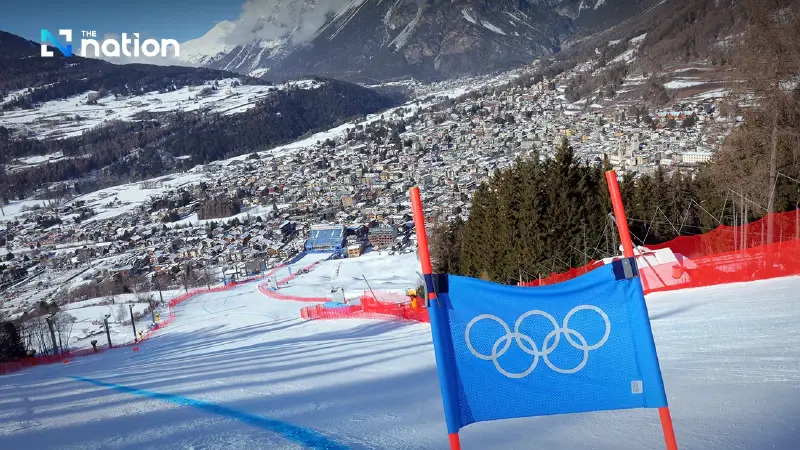


As the world faces climate change, the Winter Olympics are being redefined. Discover how new strategies, such as earlier scheduling and multi-city hosting, may help keep the games sustainable and accessible in the future.
With the 2026 Winter Olympics underway in Italy, the ongoing global climate crisis is already reshaping the future of the Winter Games. According to the latest World Economic Forum (WEF) report, by 2040, only 10 countries are expected to have the necessary weather conditions to host the Winter Olympics, with the shift towards artificial snow becoming the norm. This raises concerns about the long-term sustainability of the Winter Games, with the potential for devastating environmental costs.

While China’s Beijing 2022 Winter Games used 90% artificial snow, the growing reliance on artificial snow production consumes an astonishing 222 million litres of water, which is a resource-intensive process that contradicts global sustainability goals. This shift, driven by the rapid pace of climate change, highlights the need for innovative solutions to maintain the Olympic spirit while ensuring environmental stewardship.

A New Strategy for Sustainable Games
As the climate crisis deepens, experts are proposing solutions to adapt to the changing environment while keeping the Olympics viable. Key ideas include:
- Accelerating the event timeline: One suggestion is to move the Winter Olympics up by three weeks, especially for the Paralympic Games, which traditionally take place after the main event. This shift would help avoid warmer weather conditions that threaten snow coverage.
- Expanding the event locations: In 2026, Italy is introducing a groundbreaking approach by spreading events over 22,000 square kilometres. This marks the first time the opening ceremony will be held across two venues simultaneously. The spread of events across wider areas could serve as a model for future games, reducing the need for new venues and boosting regional economies.
- Repurposing existing venues: To cut down on carbon emissions, organisers are focusing on utilising already built infrastructures instead of constructing new venues. This approach would save resources, reduce carbon output, and create additional economic opportunities for the surrounding regions.
The Need for Adaptation in an Era of Uncertainty
The International Olympic Committee (IOC) has already recognised the urgent need for change by postponing the decision to select the host of the 2030 Winter Olympics in order to better understand the climate impact on the event. This shift demonstrates that sustainability is no longer a mere option but the only viable way forward to ensure the longevity of the games.
This focus on sustainability goes beyond environmental concerns. IOC President Thomas Bach has repeatedly stressed the importance of adapting to changing circumstances, not just in terms of climate, but also in governance and the economic framework that underpins the games.

New Models for Hosting: A Collaborative Future
One potential solution to the mounting challenges is multi-location hosting. Countries such as Canada and Austria could host Winter Olympics across multiple venues, with ski resorts, ice rinks, and media centres spread across their national borders. This approach would drastically reduce the carbon footprint of constructing new infrastructure, creating a more sustainable model.
By embracing regional hosting, the Olympic Games can offer more equitable opportunities for local communities, boosting their economies while reducing environmental impact. The model could allow for greater flexibility, with venues using natural snow when possible, while keeping costs low and providing the necessary facilities for athletes and audiences.
Preserving the Spirit of the Olympics
Despite the challenges, the spirit of the Winter Olympics remains unchanged. The games continue to be a global stage where athletes push their limits and nations come together in a display of unity. With new approaches, the Olympics can continue to thrive in the face of global challenges, adapting to changing weather conditions while staying true to their legacy.
As the world faces more environmental and geopolitical challenges, it is clear that the future of the Winter Olympics lies in innovation. As long as we continue to adjust and rethink the traditional models, the games will endure—offering a platform for global cooperation, sustainability, and the spirit of human achievement. Through these innovative strategies, the Olympics will remain a symbol of the resilience and dedication of both athletes and organisers alike, paving the way for future generations to experience the joy and unity that these historic games bring.
