
5 hidden gems in lesser-known cities in Thailand await your exploration
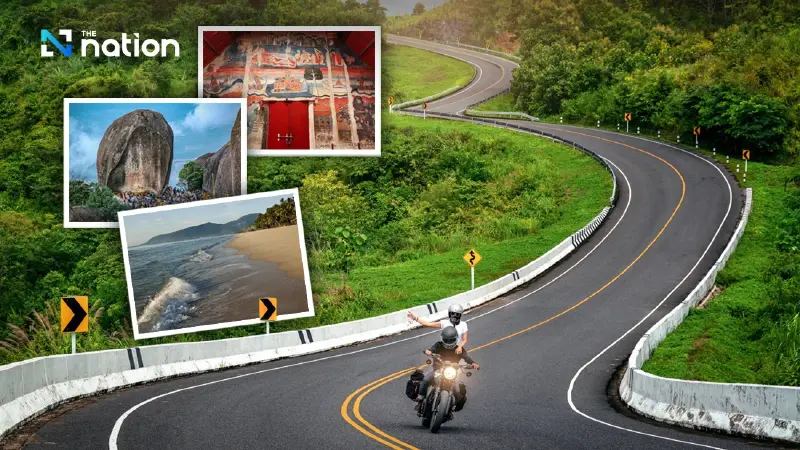


Tourism in lesser-known cities is on the rise, driven by factors such as the desire to avoid crowds, the search for new experiences, social media reviews, and interest in religious tourism.
Secondary cities — less-visited provinces that are not major tourist hotspots and typically attract fewer than four million visitors a year — are gaining popularity among Thai and foreign travellers looking to avoid crowds and seek new experiences.
Kasikorn Research Centre forecasts that the share of Thai domestic trips to secondary cities will edge up to 41.4% in 2025, from 41.3% in the first five months of the year, marking a sharp 32.3% rise from the same period in 2019 (pre-Covid-19).
For instance, provinces such as Suphan Buri, Chiang Rai, Samut Songkhram, and Ubon Ratchathani have each attracted over two million Thai visitors, surpassing popular tourist destinations like Songkhla (1.4 million) and Phang Nga (650,000).
Factors driving the growth of lesser-known cities:
- The desire to avoid overcrowded destinations
- The search for new, unique experiences
- The influence of social media reviews
- The rising popularity of religious tourism
This presents a golden opportunity for entrepreneurs. By offering value-added experiences such as cultural activities, farm tours, nature camps, or review and booking platforms specifically tailored for these areas, businesses can tap into a growing market.

Foreign travellers are also looking beyond the usual hotspots
This trend applies to foreign travellers as well. Agoda data published in 2025 found that travellers were increasingly searching for secondary destinations—at a pace 15% faster than top-tier destinations.
This shift is visible in some of Asia’s most popular tourism markets, including India, Indonesia, Japan, Malaysia and Thailand, where tourism ministries actively promote secondary destinations.
Airbnb data published in 2024 also showed global travellers increasingly seeking out lesser-known destinations in Thailand, moving away from traditional hotspots.
Mae Hong Son, in northern Thailand, recorded the strongest surge, with searches by Airbnb guests up about 150% year on year in the first quarter of 2024 compared with the same period in 2023.
Within the province, Pai district—known for its blend of nature, culture and leisure activities—has been a particular draw for international visitors.
Trang in the South followed, with searches up nearly 140%. Ayutthaya in the Central region and Satun on the Malaysian border ranked third and fourth, respectively, with Phetchaburi completing the top five.

Promoting lesser-known cities for sustainable economic growth
World Bank suggests that secondary cities are a key to unlocking Thailand’s next phase of balanced and inclusive growth. The “portfolio of places” concept argues that a country needs a range of different cities playing different roles to drive growth.
Many secondary cities already serve as regional economic hubs, with diverse industries and sectors. In recent years, per-capita GDP growth in Thailand’s secondary cities was almost 15 times higher than in Bangkok, and that secondary cities close to Bangkok or along coastal areas often showed a significant rise in productivity.
Developing secondary cities can help spread growth, reduce congestion in major cities, and create a more diversified economic base. It can also expand economic opportunities for people and businesses, and contribute to poverty reduction in surrounding rural areas.
Appropriate investment in infrastructure, human capital and institutional capacity—along with adjustments to the working framework between central and local government—would help these secondary cities lift productivity, drive growth and strengthen Thailand’s overall competitiveness.

Thailand pushes lesser-known cities to ease crowding and spread income
Thailand is actively promoting tourism in lesser-known cities to reduce overcrowding in major cities, redistribute income to local communities, and create sustainable economic opportunities. This effort is particularly relevant in 2025 as Thai tourists seek new experiences away from the crowds.
This strategy helps stimulate local economies, reduce inequality, and respond to the growing demand for off-the-beaten-path experiences, including sacred sites and community-based tourism.
Here are some of these lesser-known cities, full of natural charm, culture, and history, ideal for those seeking an escape from the bustling big cities. Each province offers unique attractions that make visiting these destinations worthwhile.
Nan
Nan is known for its ancient temples and slow-paced natural beauty, including landmarks such as Phra That Chae Haeng, Wat Phumin with its mural Whisper of Love, and the famous Sinthao salt wells.
Ubon Ratchathani
Ubon Ratchathani is renowned for its Isaan culture and natural beauty, with highlights including Kaeng Hin Ngam, perfect for river rafting during the rainy season. The highlight of Wat Sirindhorn Wararam Phu Phrao is the illuminated Ubosot, which features beautiful architecture.
Suphan Buri
Just a short distance from Bangkok, Suphan Buri is ideal for a day trip, offering agricultural and community-based tourism, such as the Thai Farmer's Way of Life and Spirit Learning Centre (Na Hia Chai) and the Sam Chuk Old Market.
Chanthaburi
Chanthaburi blends the sea, fruit, and historical sites. Popular spots include Chao Lao Beach, Pliew Waterfall, and the sacred Khao Kitchakut Mountain, along with Tham Khao Kaeo, a revered spiritual site for those seeking peace and enlightenment.
Nakhon Si Thammarat
Nakhon Si Thammarat offers serene beaches such as Khanom Beach, perfect for walking and relaxing by the sea, with views of the Gulf of Thailand. Other notable spots include the revered Wat Chedi, a spiritual site where people often come to offer prayers.
Source: www.thailand.go.th
