
Khao Kho tourism rebounds with rising visitor numbers and revenue
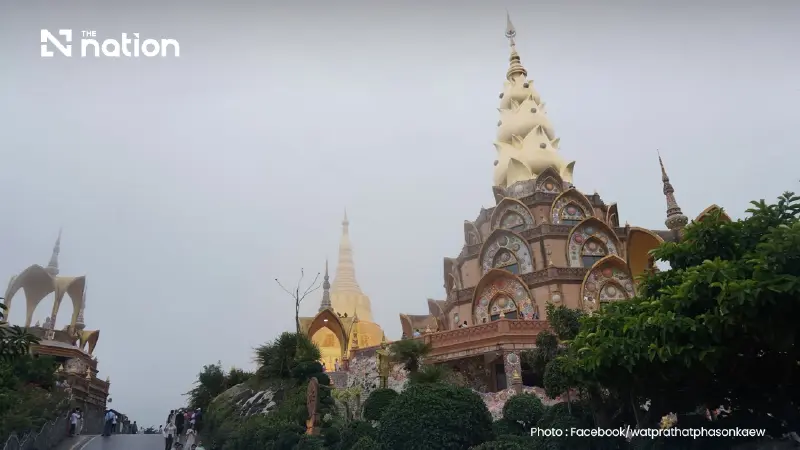


Khao Kho welcomed about 2.77 million visitors and earned THB9.831 billion in fiscal 2025, while operators sought action on traffic, standards and promotion.
- In 2025, Khao Kho's tourism sector rebounded by attracting over 2.7 million visitors and generating more than THB9 billion in revenue.
- The recovery is largely driven by the popular "sea of mist" during the rainy and winter seasons, which boosts occupancy rates and sales at local businesses.
- Despite the positive trend, the district faces ongoing challenges, including traffic congestion, intense competition among operators, and the need for improved standards to sustain growth.
- Future plans to maintain momentum include shifting from a "seasonal destination" to a year-round one and attracting more foreign tourists, as 80-90% of current visitors are Thai.
Khao Kho tourism in Phetchabun has recovered after facing prolonged difficulties.
More than 2.7 million people visited the district in 2025, generating more than THB9 billion in combined revenue.
However, longstanding issues remain, including traffic, oversight of resorts and accommodation, restaurant standards and other aspects of the sector.
These issues need to be addressed to sustain tourism growth and increase local income.

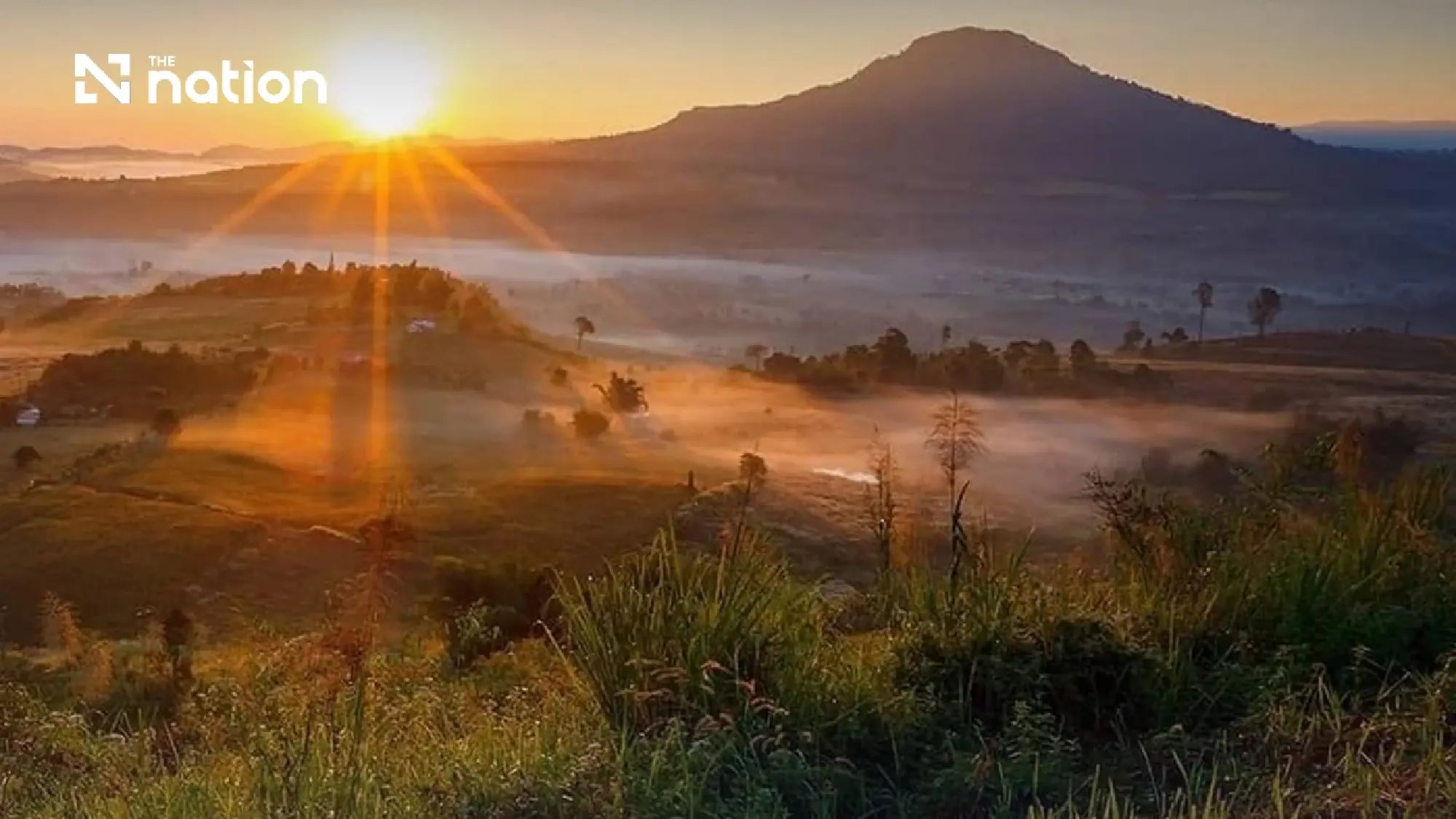

Khao Kho grows busier as mist season drives year-end peak
Boonlert Thakaeo, manager of the Skywalk Khaokho PhuLerd project, also known as Skywalk Khaokho, described tourism in Khao Kho district, Phetchabun, in mid-2026 as moving in a positive direction and becoming busier.
The rainy season through to winter is particularly attractive because of the sea of mist and cooler weather.
Most visitors continue to travel as families, groups of friends, and café and photography enthusiasts.
This has raised occupancy rates for accommodation operators and sales at coffee shops and restaurants during holidays and long holiday periods.
Wat Phra That Pha Son Kaew remains Khao Kho’s leading landmark, attracting tourists and pilgrims throughout the year.
A sea of mist often forms in the mornings during the rainy and winter seasons, making the scenery particularly striking.
Nearby coffee shops and viewpoints, including Skywalk Khaokho, remain highly popular.
Khao Kho Windmill Field is also a popular photography spot, with large wind turbines at an elevation of more than 1,000 metres.
Activities include sightseeing tram and ATV rides, along with viewpoints overlooking the mist.
Visitor numbers are highest from the end of the rainy season to the beginning of winter.
Other popular attractions include Khao Takhian Ngo Viewpoint, Sridit Waterfall, Itti Base and the Weapon Museum, GB Farm and strawberry farms.
Mountain-view cafés, including Pino Latte and other scenic venues, also remain major visitor check-in points.




Revenue rises as competition intensifies and spending stays cautious
Khao Kho’s tourism sector was estimated to have generated more than THB9 billion in revenue in 2025, alongside economic growth.
With visitor numbers rising, the tourism outlook was expected to improve.
However, many operators reported greater competition in the area.
A significant number of visitors choose short trips lasting only one or two nights and are spending more cautiously, prompting accommodation and restaurant businesses to offer promotions, particularly outside long holiday periods.
Looking towards late 2026, the period from October to January is expected to be Khao Kho’s peak season again, provided weather conditions are favourable.
The sea-of-mist season and cooler temperatures are among the district’s main attractions.
Operators seek structural action for year-round tourism
Khao Kho currently faces traffic problems, business competition and effects on local communities.
From a policy perspective, the district is at a point where it should shift from a “seasonal destination” to a “quality year-round destination”.
Support from the Tourism Authority of Thailand (TAT) alone would not be sufficient, and cooperation would be needed from several agencies, including the Ministry of Tourism and Sports, Ministry of Transport, Ministry of Interior, Department of National Parks, Wildlife and Plant Conservation, Department of Highways, Phetchabun Provincial Administrative Organisation and local administrative organisations.
Plan targets foreign visitors and new attractions
“Most operators have put forward interesting proposals that deserve consideration. These include more proactive marketing. At present, most people know only a few attractions, even though Khao Kho has many other places worth visiting that should be promoted. Measures could include a ‘Khao Kho: three days and two nights’ campaign, promotion of new routes covering Khao Takhian Ngo, Sridit Waterfall, agricultural attractions, cafés and communities, and sustained content from Thai and international influencers to attract foreign tourists,” Boonlert said.
At present, around 80–90% of visitors are Thai.
Promotion should therefore be carried out through airlines, with joint Phitsanulok–Phetchabun packages and campaigns targeting China, Malaysia, Singapore, Vietnam and European travellers interested in nature.
Infrastructure should be brought up to standard, with signs in Thai, English and Chinese, free Wi-Fi, EV charging points and tourism activities throughout the year.
According to statistics from the Ministry of Tourism and Sports, Khao Kho district generated THB9.831 billion in tourism revenue and received about 2,772,578 visitors in fiscal 2025.
Accommodation bookings reached 80–90% during the high season and long holidays, particularly during music festivals and the extended year-end holiday period, generating additional spending in Khao Kho and nearby areas.
If the government and relevant agencies accelerate support, address local problems in a targeted manner and provide comprehensive assistance across all areas, the district is expected to attract many more Thai and foreign visitors.
Expanding year-round tourism activities was expected to generate several hundred million baht more for Phetchabun each year.

