
US doubles steel and aluminum tariffs to 50%, Canada and Mexico prepare retaliation amid trade tensions
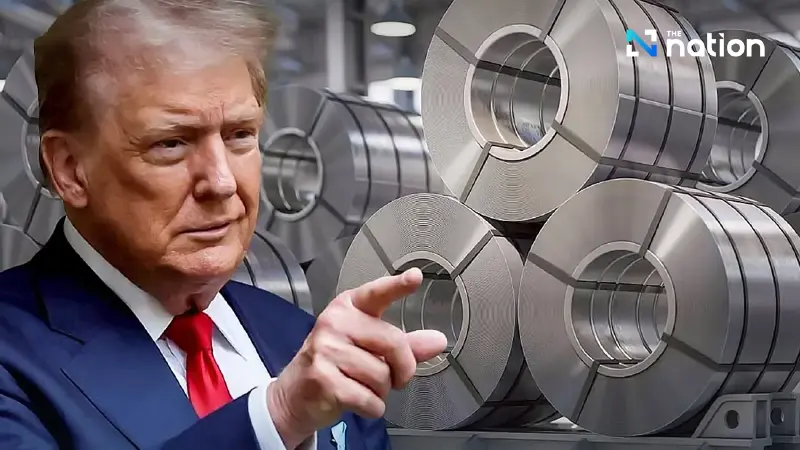


This move has raised concerns about the potential for price hikes across various sectors, from automobiles to canned food and beer
The United States has increased tariffs on steel and aluminum imports to 50%, effective today at 11:01 AM (Thailand time). This move has raised concerns about the potential for price hikes across various sectors, from automobiles to canned food and beer. In response, Canada and Mexico are preparing retaliation plans if negotiations with the U.S. fail.
On June 1, 2025, U.S. President Donald Trump announced the tariff hike on steel and aluminum, doubling the previous 25% tariff. The tariffs are expected to affect key trade partners, especially Canada, the largest exporter of steel and aluminum to the U.S.

Canadian Prime Minister Mark Carney said that Canada is preparing to retaliate if Washington does not back down on the tariff increase. He also noted that the steel and aluminum industries in Mexico would face serious impacts due to these new tariffs.
"This is not just an eye for an eye; it’s about protecting our industries and jobs," said Mexican President Claudia Sheinbaum. However, Sheinbaum did not specify how the government would respond.

EU Trade Representative Maroš Šefčovič expressed deep regret over the U.S. decision to double tariffs and emphasized that both the European Union and the U.S. face similar challenges regarding overproduction and should work together on this issue.
The global economy continues to be shaken by uncertainties surrounding Trump’s trade policies. Marc Busch, a trade policy expert from Georgetown University, stated that the new tariff would affect a wide range of products, from cars and airplanes to beer, canned food, and machinery.
The American Automotive Policy Council (AAPC) noted that the tariffs would increase costs for car manufacturers in the U.S., putting the U.S. industry and workers at a disadvantage in the global market.
Bernard Yaros, an economist from Oxford Economics, estimated that the 50% import tariff on steel and aluminum would reduce business spending on equipment and infrastructure by 0.4-0.5%, which is double the expected impact on consumer spending.
The Aluminum Association has called for the U.S. government to impose high tariffs only on specific countries like China, but to exempt allies such as Canada from the increased tariffs.
