
Qatar National Day: A celebration of unity and heritage
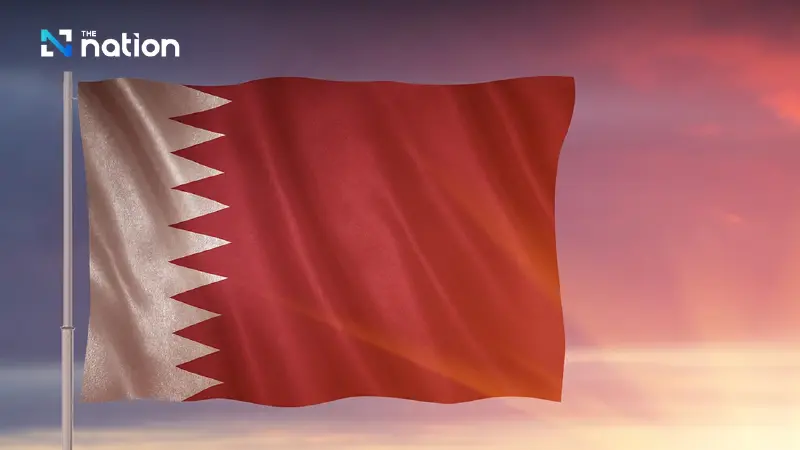


Qatar National Day, celebrated on 18 December, marks the unification of Qatar in 1878. Enjoy fireworks, parades, and heritage events across Doha to honour the nation’s history and culture.
Qatar National Day, or Al-Yawm al-Waṭani al-Qatari, commemorates the unification of Qatar in 1878. Celebrated annually on December 18, it became an official national holiday by decree of Crown Prince Sheikh Tamim bin Hamad Al Thani on June 21, 2007. The day is also known as Founder's Day.
The historical significance of Qatar National Day dates back to December 18, 1878, when Jassim bin Mohammed Al Thani succeeded his father, Mohammed bin Thani, as ruler of the Qatari Peninsula.
Jassim is credited with unifying the local tribes, defending them against external threats, including the British, and securing greater autonomy for the region's tribes.
The day is a national holiday, with schools and businesses closed across the country. Before the 2007 decree, Qatar National Day was celebrated on September 3, the day Qatar gained independence.
Several activities are organised during the week of observance, including:
- Fireworks Show: A spectacular display of music, lights, and fireworks.
- Katara National Day Celebrations: A series of over 20 heritage-themed events at Katara Cultural Village.
- National Day Parade: A grand procession along the Doha Corniche, featuring the Armed Forces, ISF, Ministry of Interior, and Amiri Guard.
- Classic Car Show: A showcase of antique cars once owned by government officials.

About Qatar
Qatar, officially known as the State of Qatar, is a country in Western Asia. It occupies the Qatar Peninsula on the northeastern coast of the Arabian Peninsula in the Middle East.
Qatar shares its only land border with Saudi Arabia to the south, while the rest of its territory is surrounded by the Persian Gulf. The Gulf of Bahrain, an inlet of the Persian Gulf, separates Qatar from the nearby island of Bahrain.
The capital city, Doha, is home to over 80% of the country’s population. Most of the land area is flat and low-lying desert.
Qatar has been ruled as a hereditary monarchy by the House of Thani since Mohammed bin Thani signed an agreement with Britain in 1868, which recognised Qatar’s distinct status. Following Ottoman rule, Qatar became a British protectorate in 1916 and gained independence in 1971.
As of early 2017, Qatar’s population stood at 2.6 million, with just 313,000 of them being Qatari citizens, while the remaining 2.3 million are expatriates and migrant workers. The official religion is Islam.
Qatar has the fourth-highest GDP (PPP) per capita in the world and the eleventh-highest GNI per capita (Atlas method). It ranks 42nd in the Human Development Index, the third-highest HDI in the Arab world.
Qatar has a high-income economy, bolstered by the world’s third-largest natural gas reserves and substantial oil reserves. It is one of the world’s largest exporters of liquefied natural gas and the largest emitter of carbon dioxide per capita.

Where to travel in Qatar?
Qatar, the "Pearl of the Persian Gulf," is a country rich in magnificent architecture that blends the charm of Arabian culture. Here are must-see destinations in Qatar, particularly in Doha:
Doha Corniche
This 7-kilometre promenade runs along Doha Bay, offering beautiful views and a lively atmosphere. It's a key venue for Qatar's National Day celebrations and National Sports Day events.
The Corniche is divided into three main areas: Corniche Park and Promenade, Corniche Street, and the Government Zone. It’s a perfect place to stroll, relax, take photos, and admire various sculptures scattered along the way
Katara Cultural Village
Katara Cultural Village is a must-visit destination in Doha, especially for photography enthusiasts. Located on the eastern coastline between West Bay and The Pearl, Katara opened as a cultural hub during the Doha Tribeca Film Festival in 2010.
This village gathers Qatar’s and the Arab world’s arts and culture in one place. It features theatres, an orchestra hall, art clubs, restaurants, a replica of a local market, and hosts rotating art exhibitions throughout the year. It’s a cultural hotspot and a must-see when visiting Qatar.

The Pearl Qatar
The Pearl Qatar is truly awe-inspiring. This artificial island was created by land reclamation and is designed in the shape of a pearl. It’s home to luxury five-star hotels, private villas, famous shopping malls, and high-end brand stores, all set against a beautiful sea backdrop.
A highlight not to miss is the Venetian-style architecture found in certain areas of the island. It’s a perfect place to take pictures and enjoy the opulence.
Souq Waqif
For a traditional shopping experience, visit Souq Waqif, a lively marketplace in Doha offering a variety of local products such as traditional clothing, spices, handicrafts, artworks, and souvenirs.
The souq has preserved much of its original Qatari architecture, while being renovated in 2006 to blend traditional charm with modern touches. It's a fantastic place to explore, enjoy street photography, and shop for unique items.

Thailand-Qatar relations
Thailand and Qatar established diplomatic relations on August 7, 1980. Thailand opened its embassy in Doha in 2002, and Qatar followed by opening its embassy in Thailand in 2004. Over the past 36 years, the two nations have maintained smooth relations.
Both countries have supported each other in international forums, with high-level visits and exchanges. Former Emir of Qatar, Sheikh Hamad Bin Khalifa Al-Thani, visited Thailand in 1999 and attended the 60th anniversary celebrations of King Bhumibol's reign in June 2006.
Qatar has consistently recognised the Southern Thailand insurgency as an internal matter for Thailand. Sheikh Hamad expressed interest in supporting Thailand’s southern region, particularly in investment and education, as a potential solution to the conflict.
Qatar also played a pivotal role in negotiating the release of Thai fishermen held hostage by armed groups in Eritrea in 2006.
In 2016, trade between Thailand and Qatar reached US$2.73 billion, with Qatar exporting US$2.44 billion worth of goods to Thailand and Thailand exporting US$287 million to Qatar.
Thailand’s exports to Qatar include fresh vegetables, fruits, canned food, Thai seasonings, beverages, automobiles, car parts, air conditioners, and refrigeration equipment. In return, Thailand imports natural gas (LNG), nitrogen fertilisers, plastics, and petrochemicals from Qatar.

Qataris are among the growing number of tourists visiting Thailand. In 2016, approximately 30,000 Qataris visited Thailand. In addition to tourism, many Qataris also come to Thailand for medical treatment, combining healthcare with leisure.
On January 28, 2007, Qatar’s former Emir contributed personal funds to build educational and dormitory facilities at the Yala Islamic University in Thailand's southern region, aiming to assist the local Muslim community.
Dr Ghaith Mubarak Ali Imran Al Kuwari, Qatar’s Minister of Endowment and Islamic Affairs at the time, visited Thailand in January 2012 to lay the foundation stone for the Sheikh Jassim Bin Muhammad Bin Thani Hospital at Yala Islamic University, a project funded by the former Emir.
In all, the diplomatic, economic, and cultural relations between Thailand and Qatar continue to be robust, marked by mutual support and collaboration.
