
Bhutan’s National Day 2025: Celebrating Unity and the Growing Bond with Thailand
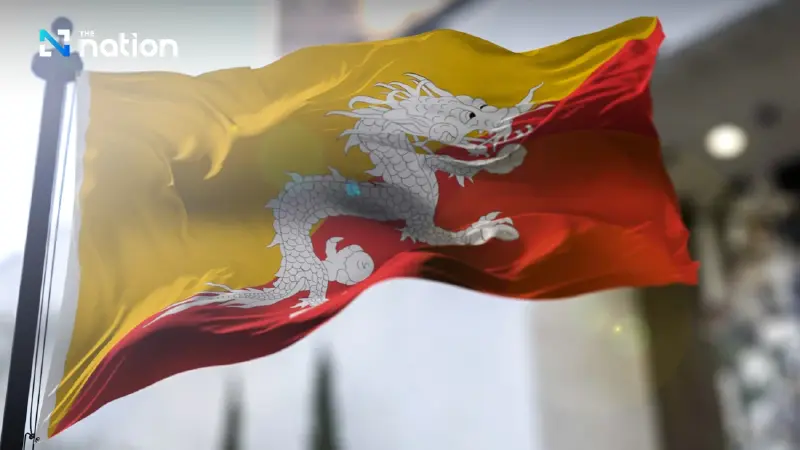


Every year on December 17, the Kingdom of Bhutan pauses to reflect on its heritage, history and national identity as it celebrates Bhutan National Day (Gyalyong Düchen) — marking the coronation of its first hereditary monarch, Ugyen Wangchuck, in 1907.
In 2025, as Bhutan honours its legacy, relations with fellow Buddhist monarchy Thailand are enjoying renewed warmth and strategic deepening.

What is Bhutan National Day?
On December 17, 1907, Ugyen Wangchuck was unanimously crowned as the first Druk Gyalpo (Dragon King) at Punakha Dzong, unifying Bhutan’s previously fragmented principalities under one monarchy.
The date became a national holiday and is celebrated annually as a symbol of national unity, identity and reverence for the monarchy.

Festivities typically include a national address by the king, raising the Bhutanese flag, processions honouring the first Druk Gyalpo, cultural performances, parades and community events across the country — especially in the capital, Thimphu.
The 2024 celebration (the 117th) was described as a “celebration of unity, vision and progress,” reflecting on the sacrifices of past monarchs while looking toward the future.
This year, Bhutanese citizens and friends abroad once again unite to honour a tradition that has shaped the nation’s identity — pride, stability and continuity under the Wangchuck dynasty.
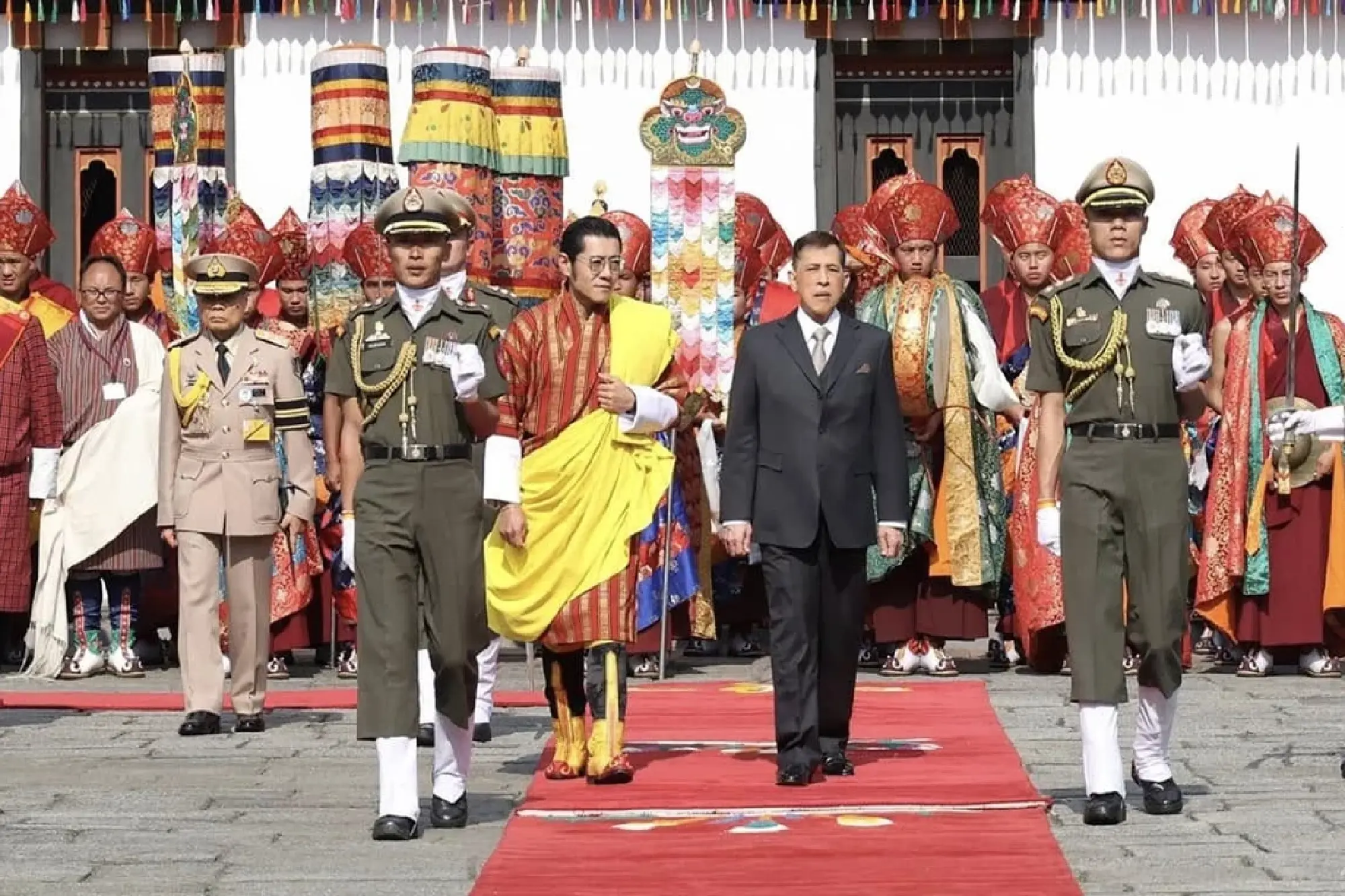

Bhutan-Thailand Relations: A Historical & Cultural Bond
Although formal diplomatic ties between the Kingdom of Bhutan and the Kingdom of Thailand were only established on November 14, 1989, the two countries had long shared spiritual, cultural and royal connections rooted in their common Buddhist heritage and monarchy tradition.

As of 2025, Thailand is among the select few countries globally to maintain full diplomatic relations with Bhutan.
Underlying the formal ties are decades of goodwill, royal family visits and shared values — trust and mutual respect that have paved the way for deeper cooperation.
Growing Economic and Investment Ties
The past year has seen a major milestone: on April 4, 2025, Bhutan and Thailand officially signed a comprehensive Bhutan-Thailand Free Trade Agreement (FTA), signalling a new chapter of economic engagement.
The agreement is expected to come into effect by January 2026. Once operational, Bhutanese exports will enjoy duty free access to the Thai market, strengthening trade and competitiveness.

Both countries have expressed ambitions to boost bilateral trade volume, with Thailand looking into investment opportunities in Bhutan’s upcoming economic developments, such as the “Gelephu Mindfulness City,” which aligns with shared values of sustainability and modernisation.
For Thailand, this represents an expansion of regional economic ties beyond Southeast Asia into the Himalayan realm; for Bhutan, it offers diversification away from its traditional partners.
Cultural, Educational and Tourism Exchanges
Beyond trade and investment, Bhutan-Thailand cooperation spans education, tourism and cultural exchange.
Several Thai universities, including institutions like Prince of Songkla University and Rangsit University, have welcomed Bhutanese students through scholarship programmes.

Cultural affinity is reinforced through shared Buddhist traditions and royal ties — such as the establishment of the Bhutan-Thailand Friendship Park in Thimphu in 2009, inaugurated to mark 20 years of diplomatic relations and symbolising ongoing goodwill.
Tourism is another growing bridge: Bhutan’s allure as the “Land of the Thunder Dragon” offers Thai travellers Himalayan landscapes, spiritual retreat and sustainable tourism — a complement to Thailand’s beaches and cultural destinations. Experts believe the upcoming FTA will further ease travel and boost bilateral tourism flows.

Looking Ahead: The Future of Bhutan–Thailand Partnership
As Bhutan marks National Day 2025, the ties between Bhutan and Thailand look set to deepen across multiple dimensions:
- Post FTA economic growth: With tariff-free trade, we can expect increased exports of Bhutanese goods to Thailand, and Thai investment in Bhutan’s emerging ventures — from mindful cities to green infrastructure.
- Sustainable tourism & cultural exchange: Bhutan’s emphasis on Gross National Happiness and sustainability resonates with global travellers. Thailand can collaborate with Bhutan on eco tourism initiatives, cultural festivals, and educational exchanges.
- Regional stability and cooperation: As two constitutional monarchies with strong Buddhist roots, Bhutan and Thailand can work more closely in ASEAN adjacent forums, climate change, education, and perhaps even environmental conservation in the Himalayas.
- People to people links: More student exchanges, joint festivals, and mutual visits — especially in the wake of the State Visit by His Majesty the King of Thailand to Bhutan in April 2025 — can deepen mutual understanding and goodwill.

Celebrating December 17: A Time for Bhutan — and Bridge to the Future
This December 17, 2025, as Bhutanese people unite to celebrate over a century of monarchy, sovereignty and national identity, they do so with renewed optimism for the future. For Thailand, the day also presents an opportunity to reflect on shared heritage and to commit to forging a stronger bilateral relationship rooted in friendship, respect and mutual prosperity.
Through trade, culture, education and shared values, the bond between the Land of the Thunder Dragon and the Land of Smiles looks set to grow ever stronger — much like the spirit of unity that National Day itself symbolises.
