
A 25-year timeline of US–Venezuela ties before the rupture
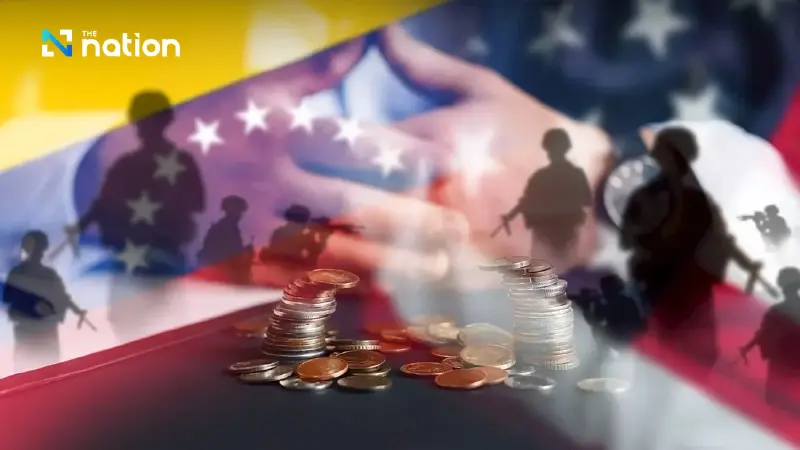


The US–Venezuela rupture, culminating in an operation to detain the Venezuelan president, did not happen overnight. The roots of the confrontation stretch back more than two decades, as summarised by Al Jazeera.
1999: Hugo Chávez takes power
Hugo Chávez campaigned against the old political order and against the United States, winning the presidency and launching the “Bolivarian Revolution”. He pushed through constitutional changes and later nationalised the oil industry, putting Venezuela on a collision course with Washington.
2000s: Hostility deepens
Relations deteriorated further as Chávez strengthened ties with Russia, China and Iran.
Venezuela expelled diplomats and US-backed NGOs, accusing Washington of trying to destabilise the country, while the United States criticised Venezuela for ruling as a “dictatorship” and restricting press freedom.
Domestically, the Chávez government used oil revenue to expand social programmes, but economic mismanagement and corruption meant growth fell short of its potential.
2002: Coup attempt
A coup that briefly removed Chávez lasted only 48 hours. Venezuela accused the United States of backing the plot, which Washington denied. The episode fuelled mutual distrust for the next two decades.
2013: Maduro rises
After Chávez died, Nicolás Maduro—his long-time aide—won a narrow presidential election. He took office amid an economic downturn, corruption scandals and worsening relations with the United States.
2014–2015: First major US sanctions
Amid protests and mounting allegations of human-rights abuses, the United States imposed visa restrictions and sanctions on Venezuelan officials—a major turning point. The sanctions intensified the economic crisis: shortages of food and medicine worsened, inflation surged, and emigration rose rapidly.
2017–2019: Economic collapse
The United States restricted Venezuela’s access to financial markets and barred purchases of Venezuelan bonds. Sanctions escalated further with an oil-import ban.
As Venezuela’s economy collapsed under extreme inflation and years of mismanagement, inflation peaked at 345% in 2019. In April 2025, it was 172%.
2018: Maduro re-elected
Maduro’s victory—amid controversy—triggered a political crisis after key opposition figures were barred from running and much of the opposition boycotted the vote.
Opposition leader Juan Guaidó declared himself interim president, recognised by the United States and dozens of allies. Washington expanded sanctions to cover oil, gold, minerals and the banking sector.
2024: Another disputed election
Six years later, Maduro again claimed victory—this time over opposition candidate Edmundo González—amid controversy similar to 2018. González presented results from multiple polling stations suggesting he should have won easily, but the electoral authority declared Maduro the winner. Even the United Nations criticised the election.
Then-US Secretary of State Antony Blinken said there was “overwhelming evidence” that González had won. Several left-leaning Latin American governments—including Brazil, Mexico, Chile and Colombia—also questioned the official result and called for a recount.
US–Venezuela timeline in 2025
January 10, 2025
Maduro was sworn in for a third term following a disputed election. The United States rejected the result and reiterated allegations of electoral fraud.
January 20, 2025
Donald Trump returned as US president and revoked Temporary Protected Status (TPS), which had shielded around 600,000 Venezuelans in the United States from deportation.
February 20, 2025
The Trump administration designated Venezuela’s Tren de Aragua as a “foreign terrorist organisation”. Trump claimed the group was controlled by Maduro, although US intelligence agencies said there was no evidence linking it to Venezuela’s leader.
February 21, 2025
Caracas approved coordination with Washington to advance Trump’s mass-deportation push, and the first group of deportees arrived back in Venezuela.
February 26, 2025
Trump revoked the Venezuelan oil concession agreement previously granted under Joe Biden.
March 24, 2025
Trump imposed a 25% tariff on countries that buy oil from Venezuela.
August 8, 2025
The United States designated Maduro a “global terrorist leader” of the Cartel de los Soles and doubled the reward for his capture to US$50 million.
September–November 2025
Washington launched a maritime “counter-narcotics” operation in the Caribbean and the Pacific on September 2. Since then, there have been at least 21 attacks on vessels suspected of carrying drugs, resulting in more than 83 deaths.
October 15, 2025
Trump confirmed he had authorised a CIA covert operation in Venezuela.
October 8, 2025
Venezuela suspended a gas deal with Trinidad and Tobago after it allowed a US warship to dock.
November 12, 2025
Venezuela conducted nationwide military drills.
November 14, 2025
The United States announced “Southern Spear”, deploying troops closer to South America.
November 14–16, 2025
The United States sent the USS Gerald R. Ford—the world’s largest aircraft carrier—along with other warships, thousands of troops and F-35 fighter jets to the Caribbean.
November 22, 2025
The US Federal Aviation Administration (FAA) issued a Notice to Air Missions (NOTAM) warning airlines of danger in Venezuelan airspace due to “increased military activity”, including GPS interference. Airlines subsequently suspended flights to Venezuela.
