
Markets watch Maduro’s ‘hidden bitcoin’ stash
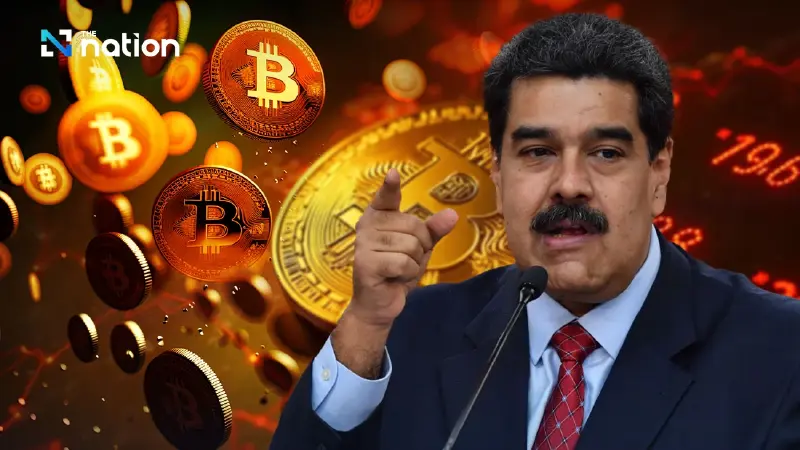


Markets are watching claims of a Venezuelan “shadow” bitcoin stash post-Maduro, weighing risks of a sell-off or a US seizure that could lock up supply
Markets are watching what some are calling Maduro’s “hidden bitcoin”, with speculation that Venezuela may have a crypto stockpile large enough to shake the global market.
After Venezuela was hit by sanctions, analysts believe the country may have built up a large cache of digital assets during the Nicolás Maduro era. The question now is whether those bitcoins will be dumped onto the market—or seized by the United States.
CNBC reported that after the end of President Nicolás Maduro’s rule, the world is no longer looking only at crude oil, but is now focusing on a huge amount of bitcoin believed to have been hidden by the old regime.
Experts at OranjeBTC said that because Venezuela has long been cut off from the global financial system, there is a high possibility it stored wealth in the form of gold, US dollars and bitcoin to avoid scrutiny.
Bitcoin worth “tens of millions” or “tens of billions” of dollars
Estimates vary widely over how much bitcoin the Venezuelan government may hold.
A report by Project Brazen claimed Venezuela could hold cryptocurrency worth as much as US$60 billion, which would make it one of the largest holders in the world.
Bitcointreasuries.net, however, lists only 240 BTC that can be preliminarily verified, worth around US$22 million, placing Venezuela ninth among governments with the most bitcoin holdings.
Experts at Haun Ventures and Chainalysis said the bitcoin is not stored in one place, but spread across thousands of digital wallets under the control of people close to Maduro.
The report noted that Venezuela has previously used “unorthodox” methods, such as flying gold abroad to swap for cash, so it would not be surprising if digital assets became a key tool for cross-border transactions.
Where did the bitcoin come from?
Beyond ordinary buying and selling, the Maduro government is said to have obtained bitcoin by seizing mining machines from the private sector and by running state-backed mining operations.
Hashrate Index data in 2025 suggested Venezuela still accounted for about 0.6% of global bitcoin mining power, even though it officially announced a mining ban in 2024, citing an energy crisis.
Will bitcoin be dumped—or seized by the US?
If Venezuela really holds a major bitcoin stash, markets are asking how it will be handled. Two main scenarios are being discussed, either of which could affect global markets.
First is a sell-off. If the bitcoin ends up in the hands of groups trying to launder money or flee the country, a dump could trigger short-term volatility in global bitcoin prices.
Second is seizure by the US. There is speculation that the Donald Trump administration could use legal powers to seize the bitcoin and add it to a US “Strategic Bitcoin Reserve”, without using any taxpayer money.
