
The Empty Throne: Iran’s Search for a Third Supreme Leader Amidst the Fires of War
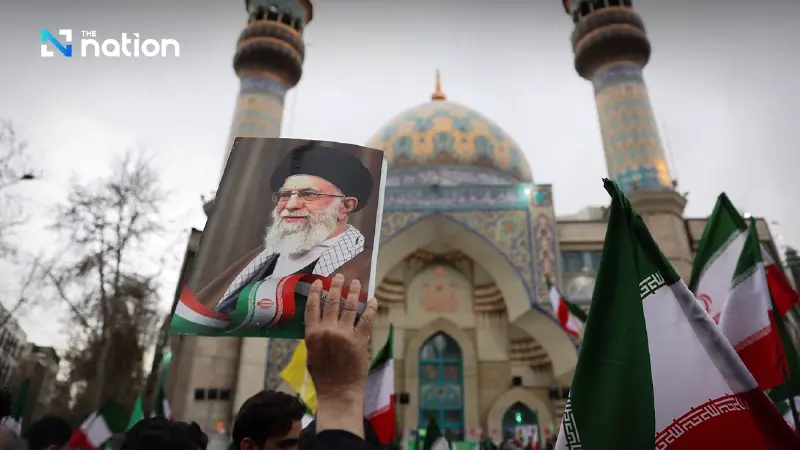


As Tehran reels from the loss of Ayatollah Khamenei, the 88-member Assembly of Experts must appoint a successor to preserve the Islamic Republic’s survival
- Following the death of Ayatollah Khamenei in a US-Israeli strike, Iran's 88-member Assembly of Experts must appoint a new Supreme Leader while the nation is under military attack.
- Key contenders include the late leader's son, Mojtaba Khamenei, who has strong security backing but faces opposition to a dynastic succession.
- Other candidates represent different factions, including institutional continuity figures like Chief Justice Gholam-Hossein Mohseni-Ejei and ultra-conservative hardliners.
As Tehran reels from the loss of Ayatollah Khamenei, the 88-member Assembly of Experts must appoint a successor to preserve the Islamic Republic’s survival.
The Islamic Republic of Iran has entered its most precarious era of political transition since its inception in 1979.
Following the death of Ayatollah Ali Khamenei in a joint US-Israeli strike on 28 February, the nation’s unique "theocratic democracy" faces an existential hurdle: appointing a third Supreme Leader while under active military bombardment.
For nearly four decades, Khamenei ruled without ever publicly designating an heir.
Now, the Assembly of Experts—an elite body of 88 senior clerics—must convene to select a successor who meets the strict constitutional requirements: a male cleric of high moral standing with proven political competence and absolute loyalty to the revolutionary system.
The Dynastic Dilemma
The most influential figure in the shadows is Mojtaba Khamenei (56), the late leader's second son. Boasting deep-seated ties to the Islamic Revolutionary Guard Corps (IRGC) and the Basij militia, he is seen as the "security candidate."
However, his path to power is fraught; hereditary succession is ideologically anathema to a Republic founded on the overthrew of the Pahlavi monarchy.
In contrast, Hassan Khomeini (50s), grandson of the Republic’s founder, offers immense symbolic legitimacy. Yet, his perceived "moderate" leanings and lack of administrative experience make him an unlikely choice for a regime currently prioritising a hardline military posture.
The Institutional Continuity
For those seeking a "safe pair of hands," Gholam-Hossein Mohseni-Eje'i stands as a formidable contender. As the current Chief Justice and a member of the transitional leadership team, he was reportedly favoured by Khamenei himself. His appointment would signal a commitment to institutional stability and the status quo.
Alternatively, Alireza Arafi (67) represents a more sophisticated brand of clerical leadership. A close confidant of the late Ayatollah, Arafi is a polyglot—fluent in Arabic and English—and technologically adept. His extensive experience heading Iran’s religious education system suggests he possesses the administrative acumen the IRGC may demand.

The Ideological Hardliners
Should the Assembly pivot toward radical defiance, Mohammad Mehdi Mirbagheri remains the ultra-conservative vanguard. Known for his uncompromising anti-Western rhetoric, Mirbagheri recently sparked controversy by suggesting that massive wartime casualties were a "worthwhile" price for spiritual proximity to God.
He is joined in the senior ranks by Hashem Hosseini Bushehri, a high-ranking Assembly official who maintains a quieter, yet influential, presence within the clerical elite.
As US President Donald Trump vows that military operations will persist, the Assembly’s choice will determine more than just a name; it will define whether the Iranian "System" can survive the loss of its ideological cornerstone.
