
11 places seen as safest if World War III erupts, based on remoteness and resources


As tensions rise between the US–Israel bloc and Iran, overseas reports and security commentators have highlighted 11 locations considered “safer” in a full-scale war or nuclear disaster scenario, citing geography, resources and political neutrality.
Amid escalating tensions between the United States and Israel and Iran — which many fear could spiral into a wider war — overseas media, including Metro, along with security commentators, have published a list of “11 safest places” in the event of a full-scale conflict or a nuclear disaster. The assessment is based on geographic distance, resource availability, and political neutrality.

Here are the territories often cited as more likely to avoid the direct shockwaves of a global war:
1. New Zealand and 2. Australia
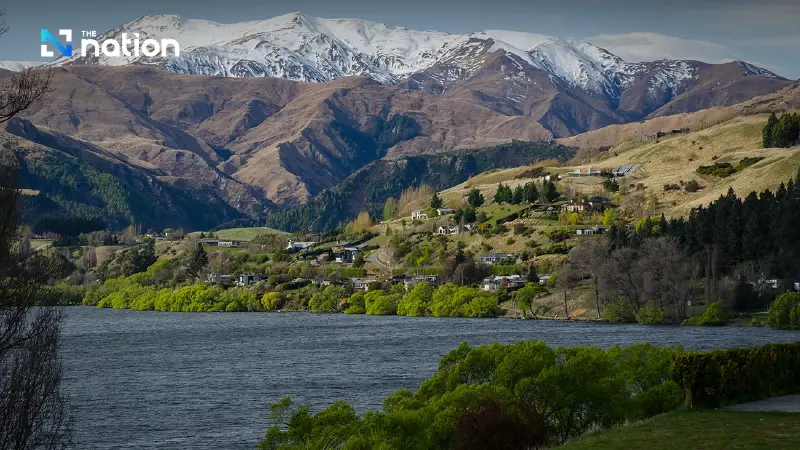
These two countries are frequently described as among the most viable refuges in a “nuclear winter” scenario, largely because of their Southern Hemisphere location and perceived capacity for food production, while mountainous terrain is seen as a natural defensive advantage.
3. Iceland — an “island of peace”
Iceland is regularly ranked highly on global peace indices. Its isolated location in the North Atlantic and limited strategic value are cited as reasons it is unlikely to be a frontline target.
4. Switzerland — long-standing neutrality
Switzerland’s long-held neutral stance is often highlighted as reducing the likelihood of being drawn directly into major conflicts.

5. Argentina — a major global food source
Argentina’s vast agricultural capacity — especially grains and livestock — is seen as a potential buffer if global trade is disrupted.
6. Bhutan — a natural fortress in the mountains
Bhutan’s rugged Himalayan geography and long-standing neutral posture are cited as factors that could make it difficult to access militarily.
7. Chile and 8. South Africa — resources to ride out a crisis
Both countries are often included due to long coastlines and varied natural resources, including freshwater and agricultural land, which could support longer-term self-reliance.

9. Fiji and 10. Tuvalu — remote Pacific islands
These islands are far from major power centres and are often viewed as less strategically significant. Tuvalu’s small population is also cited as a reason it is unlikely to be a priority target.
11. Antarctica — the extreme option
Antarctica is sometimes described as one of the most remote places from strategic targets, though any move there would come with severe practical challenges due to the environment.
While this remains a theoretical assessment, the analysis underlines a recurring point: in worst-case scenarios, distance, resources, and neutrality are commonly cited as the key factors linked to “survivability” — though “safe” is always relative.
