
Japan begins first state oil reserve release in four years amid crisis
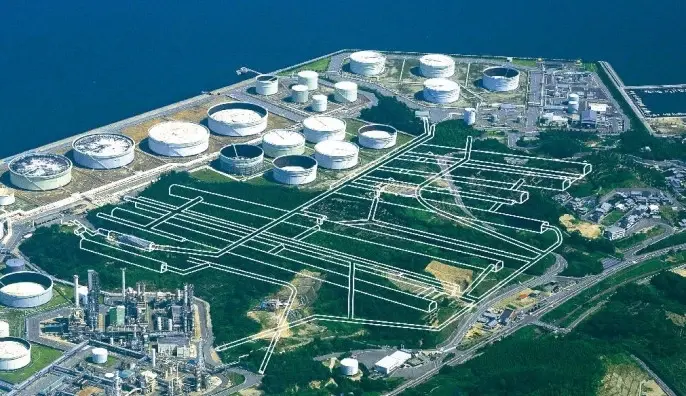


Tokyo has started a phased release of 8.5 million kilolitres from 11 stockpiling sites to stabilise fuel supplies as the de facto Strait of Hormuz blockade disrupts imports.
- Japan is releasing its state oil reserves to ensure a stable supply amid Iran's de facto blockade of the Strait of Hormuz.
- This is the first release of state reserves since 2022, which was a response to Russia's invasion of Ukraine.
- The government will release about 8.5 million kiloliters, equivalent to 30 days of domestic consumption, from 11 facilities across the country.
- This action is supplemented by releases from private-sector reserves, making the combined amount one of the largest in the nation's history.
The Japanese government began releasing the country's state oil reserves on Thursday (March 26), in an effort to ensure a stable supply of oil products amid Iran's de facto blockade of the Strait of Hormuz following its conflict with the United States and Israel.
This is the first such release since 2022, after the start of Russia's full-fledged military aggression against Ukraine in February that year.
This time, about 8.5 million kiloliters, equivalent to 30 days of domestic consumption, will be released in stages from oil reserve bases across Japan.
On Thursday, crude oil was transferred from the Kikuma national petroleum stockpiling base in the city of Imabari, Ehime Prefecture, western Japan, to a nearby refinery of Taiyo Oil Co. via pipeline.
State oil reserves will be released from 11 facilities--five national oil stockpiling bases and six bases held by the private sector.
In addition to the Kikuma base, eight bases will begin the release within this month, while the release from two national facilities, the Kamigoto base in the southwestern prefecture of Nagasaki and the Shibushi base in Kagoshima Prefecture, also in southwestern Japan, will start on Wednesday next week.
Industry minister Ryosei Akazawa held a meeting with Petroleum Association of Japan head Shunichi Kito, who is also chairman of major oil wholesaler Idemitsu Kosan Co., and other industry officials on Thursday.
The minister vowed to ensure stable oil supplies in cooperation with the oil industry people while taking into account various information.
The government has already been releasing 15 days' worth of oil from private-sector reserves since March 16.
The combined amount of oil to be released from the state and private-sector reserves this time will be one of the largest ever.
Additionally, the release of five days' worth of oil from reserves managed in Japan by oil-producing countries, such as Saudi Arabia, will begin as early as later this month.
Japan's crude oil imports, over 90 per cent of which come from the Middle East, have started to decrease amid the effective closure of the Strait of Hormuz.
The government and the private sector are working hard together to address the situation, an industry ministry official said. It is considering oil imports from the United States, Central Asian nations including Kazakhstan, and South America, according to the official.

[Copyright The Jiji Press, Ltd.]
