
China says three vessels passed through the Strait of Hormuz
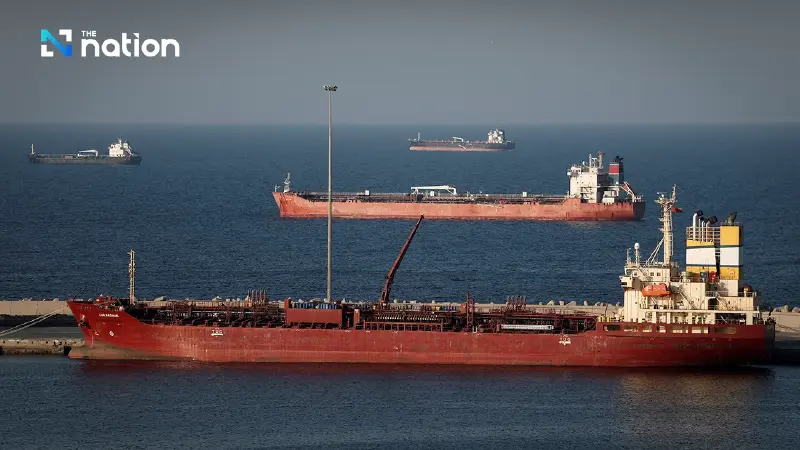


China said the ships crossed the vital route after coordination with relevant parties, as Mao Ning called for an immediate ceasefire and stability in the Gulf region.
- China's foreign ministry announced that three of its vessels have successfully passed through the Strait of Hormuz with coordination from relevant parties.
- The passage is significant as the crucial shipping lane had been effectively shut since a regional conflict involving the US, Israel, and Iran began on February 28.
- Ship-tracking data confirmed two of the vessels were Chinese container ships, making them the first non-Iranian container ships to exit the Persian Gulf since the conflict started.
China said on Tuesday (March 31) that three Chinese vessels had recently passed through the Strait of Hormuz after facilitation and coordination by relevant parties, as it called for an immediate ceasefire, an end to the fighting and the restoration of peace and stability in the Gulf region.
Chinese foreign ministry spokesperson Mao Ning made the remarks at a regular press briefing in reply to a question on whether China had received further assurances from Iran over shipping safety and the status of passage through the strait.
She thanked the relevant parties for their assistance and said the Strait of Hormuz and nearby waters remained a crucial international shipping lane for commodity and energy trade, as well as an important route for global trade and energy supplies.
The waterway has effectively been shut since the US-Israeli war with Iran began on February 28.
Mao did not give further details about the Chinese ships, but ship-tracking data showed that two Chinese container vessels sailed through the strait on Monday on their second attempt to leave the Gulf after turning back on Friday.

MarineTraffic data showed the two ships leaving the strait in close formation before moving into open waters.
Rebecca Gerdes, a data analyst with Kpler, which owns MarineTraffic, said both vessels had successfully made the crossing on their second attempt, making them the first container ships to leave the Persian Gulf since the conflict began, excluding Iranian-flagged vessels.
She added that both ships were travelling at elevated speed towards the Gulf of Oman.
Officials at China’s COSCO, the shipping group operating the two vessels, did not respond to requests for comment.
In a client advisory issued on March 25, COSCO said it had resumed bookings for general cargo containers from Asia to Gulf destinations including the United Arab Emirates, Saudi Arabia, Bahrain, Qatar, Kuwait and Iraq.
Iran has attacked Gulf shipping and threatened further action, stranding hundreds of vessels and 20,000 seafarers inside the Gulf.
Energy exports, including crude oil from Saudi Arabia and liquefied natural gas from Qatar, have effectively been halted.
While talks have taken place with Iran and countries such as India and Pakistan on moving their fleets through the strait, oil and tanker markets have been watching for signs that shipping traffic is beginning to pick up.

LSEG ship-tracking data also showed that a Greek-operated tanker carrying Saudi crude and bound for India recently exited the Gulf through the strait.
The Maltese-flagged Marathi began broadcasting its position off the coast of India on March 26 after last reporting its position inside the Gulf on March 2, and the vessel was last seen off India’s west coast on Monday.
It was the third loaded crude tanker operated by Greek firm Dynacom to leave the Gulf since the war began.
Dynacom did not immediately respond to a request for comment.
The company is one of the few shipowners still willing to risk crossing the strait, where threats from Iran include possible floating mines, missiles and drones.
Sources told Reuters that ships making the voyage have used tactics such as switching off AIS tracking transponders and sailing at night to reduce their visibility.
Two Indian-flagged liquefied petroleum gas tankers also crossed the strait on Saturday, following two others that had exited in recent days carrying critical cooking gas supplies bound for India.
Reuters
Xinhua
