
Could Bangladesh become the first country to run short of fuel?
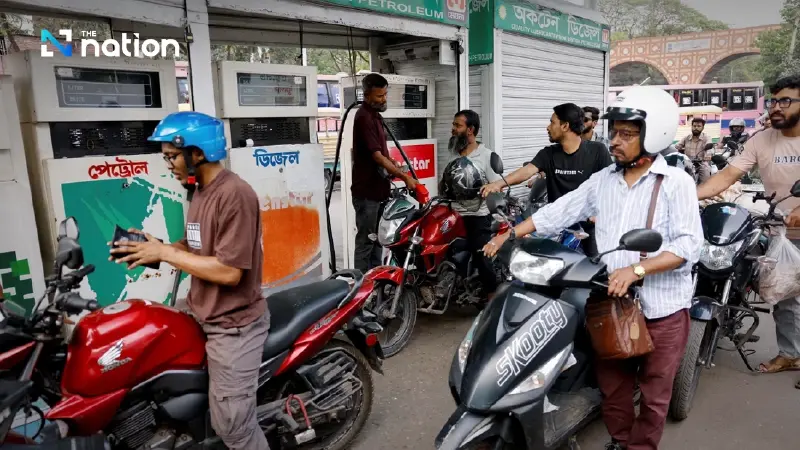


Bangladesh, heavily dependent on imported energy, is tightening fuel use as the Iran war deepens oil and LNG supply fears across Asia
Bangladesh is emerging as one of the countries most at risk from the Iran war’s worsening energy fallout, with growing concern that it could become one of the first to face a serious fuel shortfall if supply disruption continues.
The warning signs are already visible. In a nation of 175 million people that depends heavily on imported energy, queues at petrol stations are becoming part of daily life. Motorcycle users, who rely on fuel for one of the country’s most practical and affordable forms of transport, are reportedly waiting up to two hours to fill up. In Dhaka, where traffic is normally relentless, fewer vehicles are now being seen on the roads as fears grow over shrinking oil reserves.
Bangladesh has begun enforcing fuel-saving measures, including rationing fuel for vehicles, restricting diesel sales and closing universities in an effort to ease pressure from the shortage. These steps reflect how quickly the strain has intensified since the Iran war began on February 28, 2026, sending fresh shockwaves through energy markets and raising new concern over access to oil supplies.
For Bangladesh, the danger is especially acute because of its dependence on imported fuel. The country relies on energy imports for about 95% of its needs. That leaves it highly exposed when oil routes are disrupted and prices surge, particularly in a market already on edge over supply passing through the Strait of Hormuz.
What makes the situation more alarming is the narrow buffer. Bangladesh had around 80,000 tonnes of crude oil at Eastern Refinery at the end of last month, enough for only a little over two weeks of domestic use. Diesel reserves were also said to be running low. One government official was quoted as saying the situation was extremely serious, with less than 10 days of oil reserves left and costly spot-market purchases draining state funds. Those figures are central to the warning in the report and should be treated as source-based claims unless independently confirmed.
At the same time, Dhaka is scrambling to prevent the situation from worsening. Bangladesh is seeking more diversified fuel supplies from countries including Singapore, Malaysia, Nigeria, Azerbaijan, Kazakhstan, Angola and Australia. It is also hoping for temporary relief from the United States in the form of a sanctions waiver that would allow it to import up to 600,000 tonnes of diesel from Russia.
Gas supplies are also under strain. State energy company Petrobangla bought two LNG cargoes on Wednesday, April 1, at prices nearly two-and-a-half times higher than those paid on March 1, in order to keep domestic gas supply stable. Meanwhile, Bangladesh Petroleum Corporation was receiving about 60,000 metric tonnes of diesel from three traders, with another 90,000 metric tonnes expected later this month.
The bigger picture is that Bangladesh may now be offering one of the clearest early warnings of how a distant conflict can quickly become a domestic economic emergency. This is no longer only about global oil prices or shipping routes. It is about transport, education, government finances and the daily lives of millions of people.
Even if Bangladesh does not literally become the first country to run out of fuel, it is already one of the first where the Iran war’s energy shock is being felt in a direct, visible and disruptive way. And if alternative supplies do not come through quickly, that vulnerability could harden into a full-blown fuel crisis.
