
First signs of relief as French, Japanese and Omani ships clear Hormuz
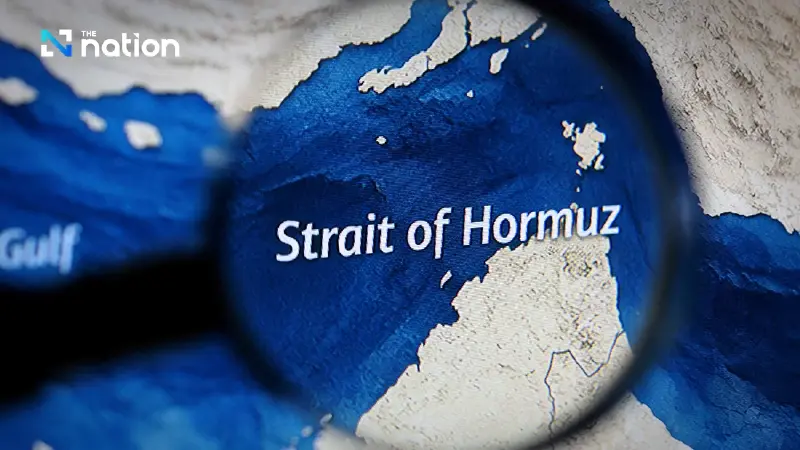


French, Japanese and Omani-linked vessels have crossed the Strait of Hormuz, offering a rare sign of easing pressure on a vital global shipping route
Several cargo vessels linked to France, Japan and Oman have now succeeded in passing through the Strait of Hormuz, offering one of the strongest signs so far that tightly controlled shipping movement may be resuming through the strategic waterway after weeks of disruption.
Among the most closely watched was the CMA CGM Kribi, a Malta-flagged container ship operated by French shipping giant CMA CGM. Reuters and the Financial Times, citing vessel-tracking data, reported that the ship had travelled out of the Gulf through Hormuz, making it the first French-owned vessel, and widely seen as the first western-linked commercial ship, to complete the passage since the strait was effectively closed after the Iran war began in late February.
The French-linked vessel altered its AIS destination to identify its ownership before entering Iranian waters, while other reporting indicated it moved through the area near Larak Island, a route that has drawn attention in recent days as shipping companies search for workable ways through the strait. CMA CGM did not publicly explain how the vessel secured passage.

The movement was not limited to French shipping.Three Oman-linked tankers had made it through the strait, while Sohar LNG, a Panama-flagged liquefied natural gas carrier partly owned by Japan’s Mitsui OSK Lines, also crossed successfully.
That made it the first Japan-linked LNG vessel confirmed to have transited Hormuz since the conflict began on February 28.
These crossings matter because the Strait of Hormuz handles roughly one-fifth of the world’s oil and gas trade, making it one of the most sensitive shipping chokepoints on the planet. Even limited movement by a handful of ships is therefore being read as a potentially meaningful signal that some pressure may be easing, even if the broader crisis is far from resolved.
Still, the flow remains highly restricted. Only about 150 vessels had exited through the strait since March 1, many of them linked to Iran or countries seen as maintaining relatively workable ties with Tehran, including China, India and Pakistan. That underlines how far current traffic remains from normal levels.
China had already welcomed the passage of three of its own vessels earlier in the week, including two container ships operated by Cosco, in another sign that access has so far been more feasible for ships tied to countries regarded by Iran as neutral or friendly.
At the diplomatic level, governments are still scrambling for a broader solution. The United Kingdom convened a virtual meeting of around 40 countries this week to discuss coordinated pressure on Iran to reopen the strait fully. British Foreign Secretary Yvette Cooper said there was strong agreement on protecting free passage and rejecting any unilateral fees or restrictions on vessels using the route.
At the same time, humanitarian concerns are rising alongside energy fears. Reporting this week has indicated growing discussion of protected shipping arrangements to allow critical cargoes, including fertiliser, to move through the corridor in order to reduce the risk of worsening food insecurity in poorer countries.
So while the successful passage of French, Japanese and Omani-linked vessels is clearly a positive sign, it is still only a tentative one. The bigger picture remains fragile: shipping is moving, but selectively; diplomacy is intensifying, but without a full breakthrough; and the world is still watching Hormuz as a frontline test of whether trade routes can be stabilised before the economic fallout deepens.
