
Iran threatens Bab el-Mandeb, piling pressure on global oil lifeline


Iran has signalled a possible Bab el-Mandeb closure through the Houthis after Trump threatened strikes on Tehran’s infrastructure, fuelling fears oil could hit US$200 a barrel.
Tensions in the Middle East have escalated sharply after Ali Akbar Velayati, an adviser to Iran’s supreme leader, warned that the “Resistance Front” viewed the Bab el-Mandeb Strait as strategically important as the Strait of Hormuz.
The warning came only hours after US President Donald Trump threatened to strike Iran’s infrastructure, including power plants and bridges, if Tehran failed to reopen shipping lanes in the Strait of Hormuz.
Although Iran has no direct coastline on Bab el-Mandeb, its alliance with Yemen’s Houthi movement gives Tehran the ability to order attacks on oil tankers and cargo ships heading for the Red Sea at any time, as seen previously during the Gaza war.
Why Bab el-Mandeb matters so much to the global economy
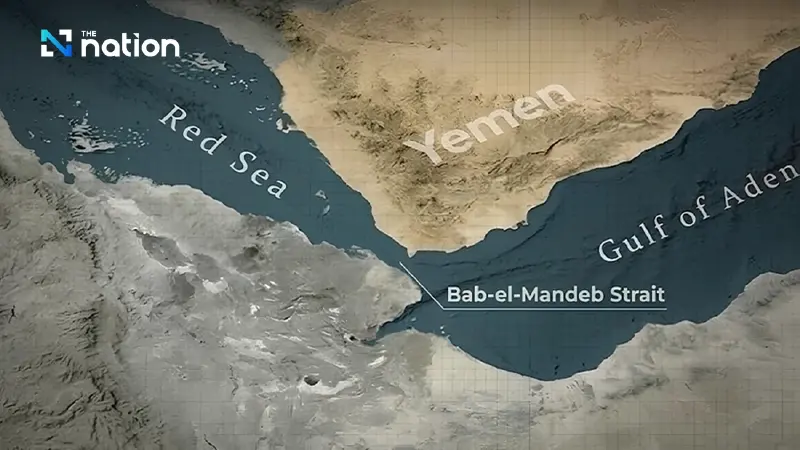
Strategically, Bab el-Mandeb is a critical back-up artery for global energy trade when the Strait of Hormuz is disrupted. Oil can be moved overland to Saudi Arabia’s Red Sea port of Yanbu, but shipments must still pass through Bab el-Mandeb to reach the Indian Ocean and continue on to Asian markets.
The strait links the Red Sea with the Gulf of Aden and the Indian Ocean, carrying around 12% of global seaborne trade and more than 4 million barrels of crude oil per day. In 2024, as much as 4.1 million barrels of oil a day passed through the route.
In Arabic, Bab el-Mandeb is often translated as “Gate of Grief”, a name rooted in its long history as a difficult and dangerous passage for sailors.
If Bab el-Mandeb were closed as threatened, it would effectively sever Middle Eastern oil routes from the outside world altogether.
Oil price nightmare: could crude hit $200?
Analysts at JPMorgan have warned that if the crisis drags on and both chokepoints are genuinely closed, global crude prices could surge dramatically. In the short term, prices could rise to US$120-US$130 a barrel, up from the current level of US$109.
In a worst-case scenario, if the crisis lasts until mid-May, prices could hit US$150. Iran has also previously signalled that oil could soar as high as US$200 a barrel, a spike that would trigger severe inflation and a global economic crisis.
