
Brazil puts China's BYD on list of shame over slave-like labour scandal
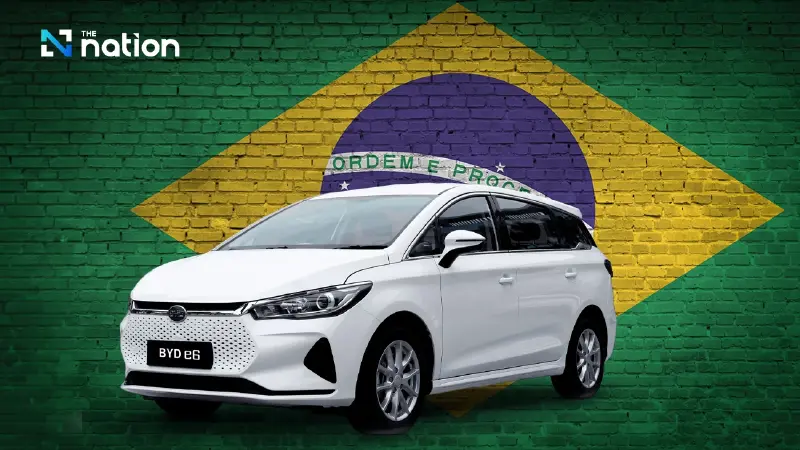


Brazil has placed BYD on a government blacklist over a 2024 labour scandal involving Chinese workers, raising reputational and financing risks.
- Brazil's Labour Ministry has placed Chinese automaker BYD on an official list of employers connected to slave-like labor conditions.
- The listing is a result of a scandal involving 163 Chinese workers who were allegedly subjected to human trafficking and abusive contracts while building a BYD plant.
- Brazilian officials hold BYD ultimately responsible for the violations, arguing the company failed to properly supervise its contractors.
- Consequences of being on the list include reputational damage and being blocked from accessing certain types of loans from Brazilian banks, though it does not affect plant operations.
BYD has been added to a Brazilian government registry of employers linked to labour conditions similar to slavery, following a 2024 scandal involving 163 Chinese workers who were allegedly subjected to human trafficking and abusive contracts while building the company’s plant in the country.
The listing, published by Brazil’s Labour Ministry, adds to reputational pressure on the Chinese carmaker in Brazil, its biggest market after China. It also blocks BYD from accessing certain types of loans from Brazilian banks, although it does not affect operations at the company’s only auto plant in the country, the same facility the workers were hired to build.
Brazilian officials have argued that BYD is ultimately responsible for the workers’ conditions because it should have been supervising its contractors.
BYD did not respond to a request for comment. Jinjiang Group, the contractor used by BYD to recruit the workers, has denied the allegations. BYD has previously said it was unaware of any violations until Brazilian media reports emerged in late November.
A labour contract reviewed by Reuters showed that the Chinese workers hired by Jinjiang were required to surrender their passports, allow most of their wages to be sent directly to China, and pay an almost US$900 deposit that would only be returned after six months of work.
A raid by labour inspectors also found the workers living in overcrowded accommodation without mattresses. In one house, 31 workers were found sharing a single bathroom, while food was piled on the floor next to personal belongings, in what inspectors described as “degrading conditions”.
The case sparked international outrage, including in China, and caused months of delay to the construction of the plant. Even so, BYD later appeared to move past the controversy, with President Luiz Inacio Lula da Silva attending the plant’s inauguration in October in a sign of strengthening ties between Brazil and China. The plant has since produced more than 25,000 vehicles.
Companies can avoid being placed on the blacklist by signing an agreement with the government committing to change their practices and compensate workers whose rights were violated. BYD signed an agreement with labour prosecutors over the case, but not with labour inspectors.
Firms are only added to the list after all avenues of appeal within the government have been exhausted. Once included, they remain there for two years unless a court orders their removal.
Reuters
