
Iran blocks Hormuz oil traffic as Israel keeps hitting Lebanon
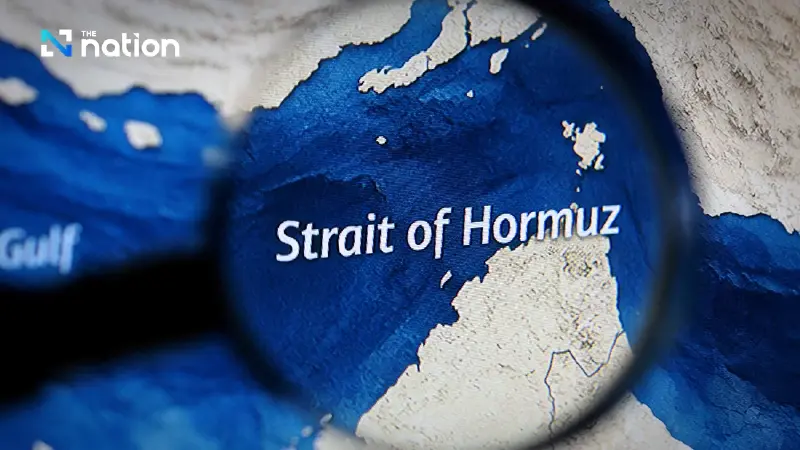


Iran blocks oil tanker traffic through the Strait of Hormuz and threatens to quit the US ceasefire deal as Israeli strikes on Lebanon intensify
Iran has moved to shut the Strait of Hormuz to oil tanker traffic after Israel stepped up its assault on Lebanon, sharply escalating tensions around a ceasefire that was already being interpreted very differently by the parties involved.
The latest move came after Tehran signalled that it would no longer treat diplomacy as business as usual while Israeli strikes on Lebanon continued. Iranian officials have also warned that if Israel does not stop attacking Lebanon, Iran could walk away from the two-week ceasefire arrangement reached with the United States.
Shipping through the Strait of Hormuz remains severely disrupted. Shippers were still seeking clarity on the terms of passage even after the ceasefire announcement, with Iran insisting that vessels must coordinate with its military and warning that unauthorised transit could be targeted. Around 187 tankers were still inside the Gulf carrying roughly 172 million barrels of crude and refined products, underlining the scale of the disruption to global energy flows.
Other reports said only a very limited number of vessels had been allowed through since the truce took effect, reinforcing the sense that the waterway remains tightly restricted rather than genuinely reopened.
The immediate trigger was Israel’s latest wave of attacks on Lebanon. Israeli forces carried out major strikes across Beirut, southern Lebanon and the Bekaa Valley after making clear that their campaign against Hezbollah would continue regardless of the ceasefire with Iran. Israel has said the truce does not apply to Lebanon.

US President Donald Trump has taken the same line, saying the ongoing Israeli attacks in Lebanon were a separate matter and were not included in the two-week ceasefire. That position directly clashes with the interpretation promoted by Iran and by Pakistan, which has acted as a mediator in the diplomatic effort.
The human toll in Lebanon has continued to mount. Reuters said at least 89 people were killed and 700 wounded in Israeli strikes on Wednesday alone, while AP reported that the broader campaign has displaced more than one million people and killed well over 1,700 since the latest phase of the war began.

Iran’s response has gone beyond rhetoric. In addition to tightening control over Hormuz, Tehran has warned that any wider peace arrangement must include Lebanon. Iranian officials have argued that a ceasefire that excludes Israeli operations against Hezbollah cannot be treated as credible or complete.
That disagreement has exposed how fragile the current truce really is. While Washington has portrayed the ceasefire as a step towards broader talks, Iranian officials have said they now view negotiations with far greater suspicion and caution, particularly after the heavy bombardment in Lebanon.
For markets, the message is mixed. Oil prices have eased from their recent highs and equities have shown some relief, but the bigger risk has not disappeared. As long as Hormuz remains under tight Iranian control and Israel continues striking Lebanon, the possibility of a wider regional relapse remains very real.
