
Possible “Super El Niño” puts ASEAN on alert for severe heat and drought
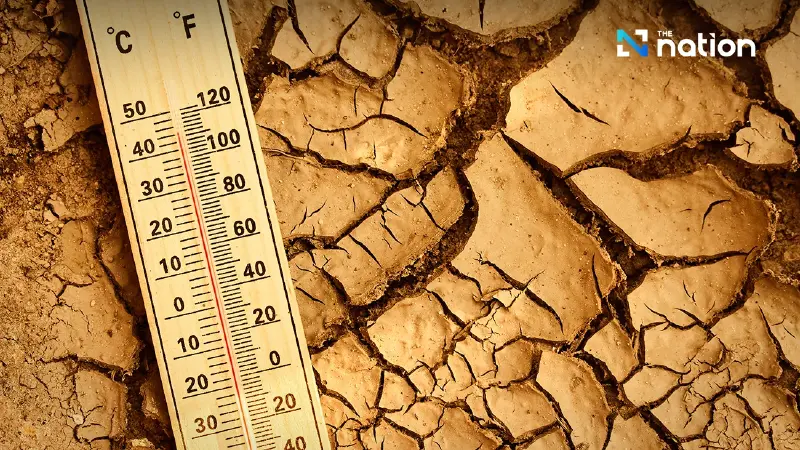


NOAA and WMO say El Niño is increasingly likely from mid-2026, though its eventual strength remains uncertain, raising concern over heat and drought in Southeast Asia.
The world may be heading towards a powerful El Niño later this year, with major climate agencies warning that the odds of El Niño are rising from mid-2026. NOAA says ENSO-neutral conditions are still favoured through May-July 2026, but El Niño is likely to emerge in June-August and persist through at least the end of the year. WMO has similarly said neutral conditions remain the most likely near-term outcome, while El Niño chances increase later in 2026.
Some scientists believe the event could become exceptionally strong. Paul Roundy, a professor of atmospheric and environmental sciences at the University at Albany, said conditions were shifting rapidly towards what could become a major El Niño, potentially exceeding the strongest events of the last century. Official agencies, however, have not yet confirmed a “super El Niño”, and NOAA says the potential strength remains highly uncertain, with roughly a one-in-three chance of a strong event by October-December 2026.
El Niño is the warm phase of the El Niño-Southern Oscillation, or ENSO, and occurs when sea surface temperatures in the equatorial Pacific rise above average and trade winds weaken. The term “super El Niño” is widely used in media coverage, but it is informal rather than an official scientific category.
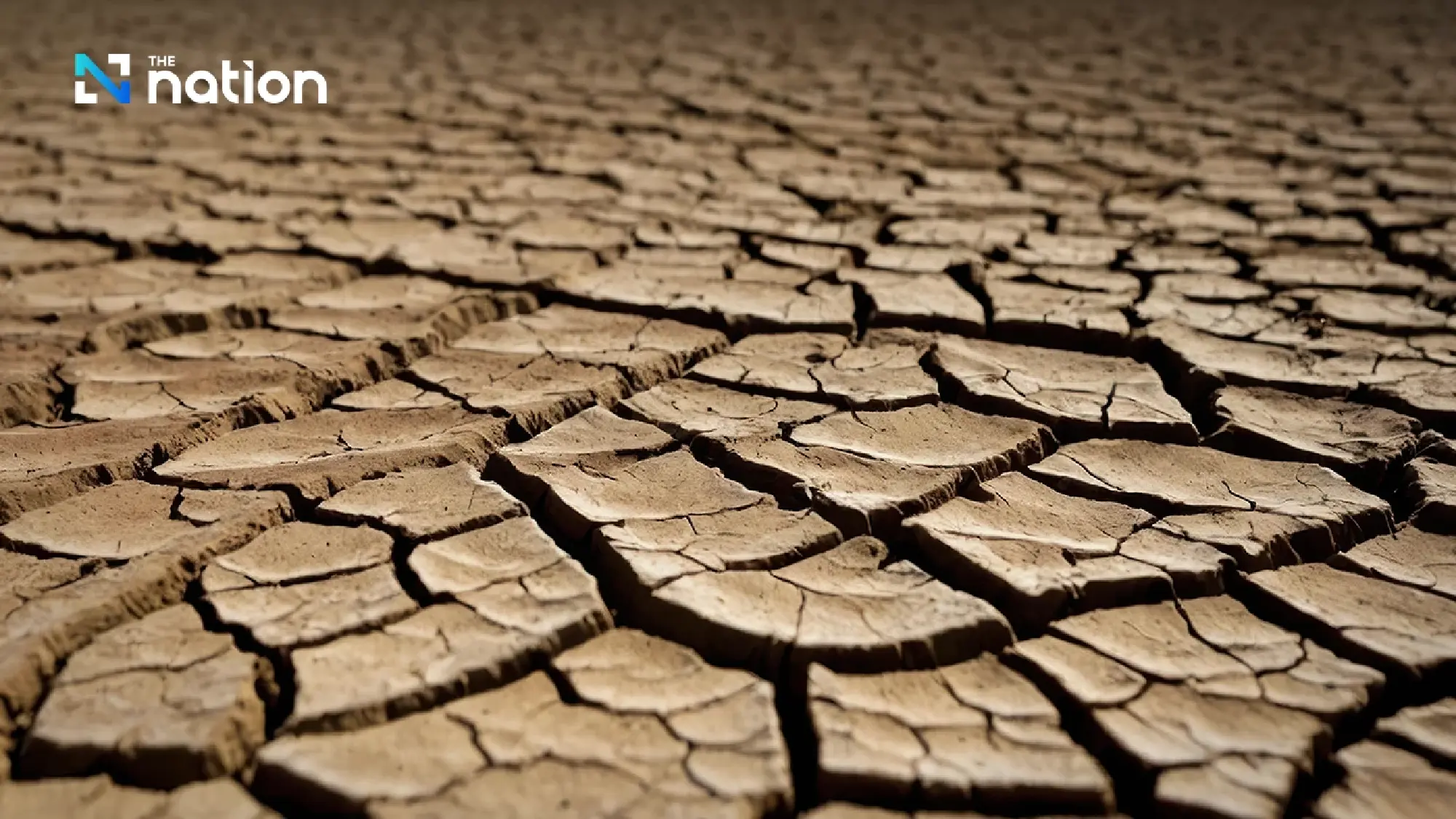

Extreme drought in Southeast Asia
For Southeast Asia, the main concern is drought and extreme heat. NASA says El Niño often leaves the western Pacific in dry conditions that can trigger drought across Indonesia, Southeast Asia and northern Australia, while WMO notes that ENSO can drive major swings in rainfall and temperature, including droughts and floods.
That means ASEAN countries may need to prepare for hotter conditions, lower rainfall, greater water stress and higher wildfire risk if El Niño strengthens later this year. WMO has also said seasonal forecasts are especially important for sectors such as agriculture, water management and energy because ENSO can be predicted months in advance, even though uncertainty remains higher at this time of year.
Impacts on other parts of the world
For North America, the impacts will vary by region. The western United States may face severe winter storms and flooding later in the year, but once summer arrives, the western and southern parts of the country are likely to experience above-average heat and humidity. At the same time, the phenomenon is expected to reduce hurricane activity in the Atlantic, due to stronger wind shear in the atmosphere.
In South America, northern areas including the Amazon rainforest and northern Brazil are likely to face prolonged drought and intense heatwaves. By contrast, Peru, Ecuador and southeastern South America are expected to see heavy rainfall and severe flooding.
The impacts of a super El Niño are also expected to bring more frequent heatwaves to Europe and Africa. East and central Africa may have to cope with both drought in some areas and shifts in topsoil moisture, while the Horn of Africa and North Africa are likely to face heavy rain and flooding.
Australia and the Oceania region, meanwhile, are expected to experience severe drought and sharply rising temperatures, increasing the risk of major bushfires. Rainfall patterns across the South Pacific islands are also likely to change significantly, which could lead to prolonged drought in some areas.
Nat Johnson, a meteorologist at NOAA, warned that these impacts would affect daily life in every dimension. “These weather and climate impacts will alter crop yields, disease spread, coral bleaching, fisheries, and other components of the Earth system.”
Although forecasting models are broadly aligned on the likelihood of a super El Niño developing, the spring prediction barrier still means there is some uncertainty over just how intense it may become. However, when the world’s most reliable models are sending the same signal, these potential disasters must be taken seriously.
Paul Roundy stressed that we need to look back at the lessons from the events of 1982-83, 1997-98 and 2015-16 in order to understand what may lie ahead. While no two El Niño events are exactly the same, past experience can help in planning to reduce the damage to economies and lives.
The intensity of this warming episode could set a new record on a century scale, serving as a reminder that humanity is facing a major challenge. Monitoring conditions closely and adapting to climate change that is this rapid and severe is no longer simply an option, but a necessity for survival in the age of super El Niño.
