
Everest guides accused of drugging climbers in $20m insurance scam
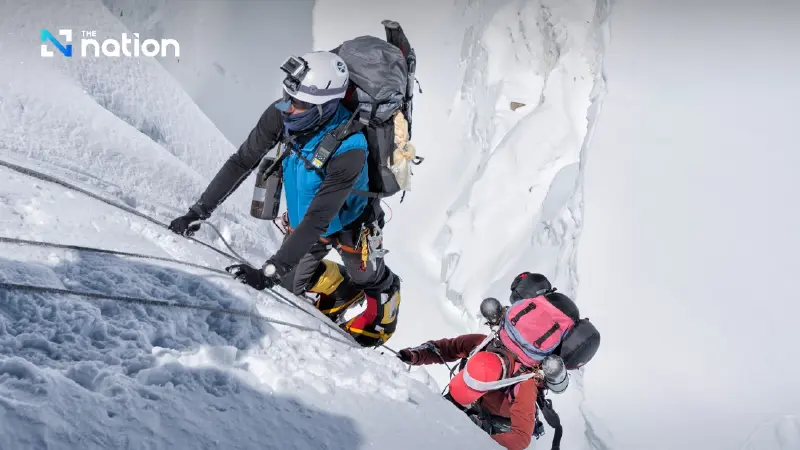


Nepal police are probing a $20 million Everest insurance scam after guides, tour firms, hospitals and helicopter operators were accused of staging rescues
A major scandal has shaken Nepal’s mountaineering industry after Everest guides and tourism operators were accused of orchestrating a multimillion-dollar insurance fraud scheme by allegedly making foreign climbers sick in order to trigger unnecessary helicopter rescues.
According to reports cited by the New York Post, Nepalese investigators allege that some guides tampered with climbers’ food or used other methods to create symptoms resembling altitude sickness or severe stomach illness. Once tourists became unwell, emergency helicopter evacuations were arranged, followed by hospital treatment and insurance claims that prosecutors say were inflated or entirely fabricated.
Police say the suspected fraud was not the work of one group alone. Instead, it allegedly involved coordination between trekking agencies, helicopter operators and hospital staff, with the proceeds later divided among those involved. Nepal’s Central Investigation Bureau has charged 32 people in connection with the case, while earlier arrests focused on executives linked to mountain rescue and travel firms.

The alleged fraud is estimated to have generated nearly US$20 million in insurance payouts. Investigators say one company alone may have falsified 171 rescue cases worth more than US$10 million, while two others are accused of making dozens more false claims worth millions of dollars.
Authorities began looking more closely at the issue after spotting unusually high numbers of air rescues in Nepal’s trekking sector. The affair has added to concerns about corruption in a tourism industry that is crucial to the country’s economy and supports more than a million jobs directly and indirectly. It has also contributed to higher insurance costs, with some international insurers reportedly reducing or withdrawing trekking cover in Nepal altogether.
The case has also raised grave safety concerns for climbers. Reports suggest some tourists may have been genuine victims who were manipulated into unnecessary evacuations, while others may have been pressured into exaggerating symptoms to help the scam succeed. If proven, the allegations would mark one of the most disturbing fraud cases to hit Everest tourism in recent years.
Nepal had previously tried to tighten oversight of rescue operations after similar concerns emerged in 2018, including rules aimed at cutting out intermediaries and forcing tour operators to submit rescue and treatment details to the authorities. But investigators now say weak enforcement allowed the scam to continue and grow.
