
Trump Orders Naval Blockade of Hormuz as Iran Talks Collapse
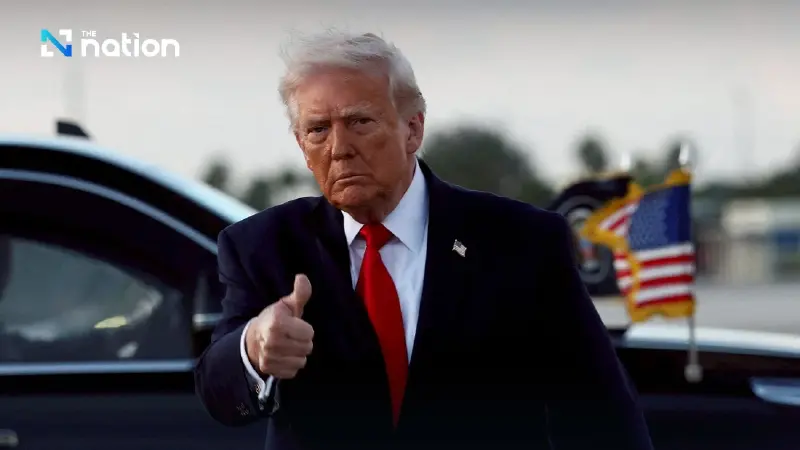


President Trump orders the US Navy to "immediately" blockade the Strait of Hormuz after historic Islamabad summit fails to secure a nuclear agreement
- President Trump ordered an immediate US Navy blockade of the Strait of Hormuz, a key global oil route.
- The order was given after high-stakes nuclear negotiations between the US and Iran in Islamabad, Pakistan, collapsed without a deal.
- The talks failed over Iran's refusal to accept US demands for a total cessation of uranium enrichment and the dismantling of its nuclear facilities.
- The blockade is intended to stop vessels from entering or leaving the waterway, with Trump stating any ship paying an "illegal toll" to Tehran would be interdicted.
President Trump orders the US Navy to "immediately" blockade the Strait of Hormuz after the historic Islamabad summit fails to secure a nuclear agreement.
President Donald Trump has ordered the US Navy to "immediately" begin a naval blockade of the Strait of Hormuz, a dramatic escalation following the collapse of high-stakes negotiations with Iran in Pakistan.
Speaking shortly after the 21-hour summit in Islamabad ended without a deal, the president announced that the US would seek to stop vessels from entering or leaving the waterway, which handles 20% of the world’s oil supply.
Writing on social media, Trump stated that any vessel paying an "illegal toll" to Tehran would be interdicted, adding that the US military is "locked and loaded" to "finish up" Iran at the appropriate moment.
The breakdown in talks followed two days of marathon discussions between delegations led by Vice-President JD Vance and Iranian Parliamentary Speaker Mohammad Baqer Qalibaf.
The meeting was the first direct, high-level diplomatic encounter between the two nations since the 1979 Islamic Revolution.
"The bad news is that we have not reached an agreement," Vance said before departing Islamabad. "I think that's bad news for Iran much more than it's bad news for the United States."
The nuclear deadlock
US officials confirmed the negotiations faltered over Tehran’s refusal to accept a total cessation of uranium enrichment and the dismantling of its key nuclear facilities.
Washington had also demanded that Iran cease funding for regional proxies, including Hamas, Hezbollah, and the Houthis.
In response, Qalibaf blamed Washington for failing to earn Tehran’s trust, despite what he termed "forward-looking initiatives" from the Iranian side.
Meanwhile, Iranian President Masoud Pezeshkian told Russian President Vladimir Putin in a telephone call that a deal remained possible only if the US returned to the "framework of international law".

Maritime tensions
The blockade order casts immediate doubt on the 14-day ceasefire brokered last week, which is set to expire on 22 April.
While the US military reported that two destroyers had already begun mine-clearing operations in the Strait, Tehran has denied that any such transit took place.
Despite the heightened rhetoric, shipping data showed three supertankers laden with oil passed through the Strait on Saturday—the first vessels to exit the Gulf since the ceasefire began.
Escalation in Lebanon
The diplomatic failure comes amidst continued Israeli bombardment of Hezbollah positions in Lebanon.
Both Israel and Washington maintain that the Lebanese theatre is separate from the US-Iran ceasefire—a position Tehran rejects, insisting that all regional hostilities must cease simultaneously.
Israeli strikes continued into Sunday morning, with plumes of smoke rising over Beirut’s southern suburbs, while rocket sirens sounded in northern Israeli villages as Hezbollah launched retaliatory fire across the border.
